Drug-Resistant Tuberculosis Treatment in Peru
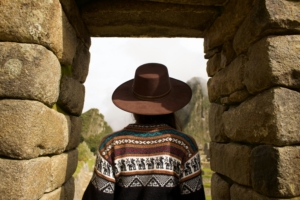 Peru, located in western Latin America, has one of the highest tuberculosis rates in the region, with 33,000 reported tuberculosis cases in 2023. However, the country is leading efforts to improve treatment.
What Is Tuberculosis?
Tuberculosis is one of the most deadly infectious diseases in the world. It is an airborne disease that attacks the lungs, but it can also affect the kidneys, spine and brain. While antibiotics are used to treat tuberculosis, some people develop drug-resistant strains, meaning the bacteria no longer respond to the usual medications.
Treating drug-resistant tuberculosis requires special medications, which can cause side effects and may take months or even years to work. In comparison, non-drug-resistant tuberculosis typically takes up to nine months to treat.
Tuberculosis Treatment in Peru
Every year, doctors in Peru diagnose around 1,500 people with multidrug-resistant tuberculosis, one of the most difficult forms of the disease to treat. The standard treatment can take up to two years and involves daily pills along with two or three injections a day. That changed in 2024, when Peru became one of the first countries in Latin America to adopt new treatments for drug-resistant tuberculosis: bedaquiline, pretomanid, linezolid and moxifloxacin (BPaLM). These regimens are shorter, take just six months and eliminate the need for injections.
This shorter treatment period comes with several benefits. Patients need fewer visits to the health center, reducing their transportation costs. It also causes fewer side effects than previous treatments. Fewer visits make it easier for people to stay in treatment while continuing to work. Peru did not implement this new treatment program overnight. Since 2023, doctors, nurses and health monitors have been receiving training on how to use the treatment, manage its potential side effects and support patients throughout both treatment and recovery.
The new regimen is also included in Peru’s National Tuberculosis Plan, which makes tuberculosis treatment free for patients. The new treatment, with all its benefits, has proven successful. More than 1,200 people have received the shorter regimen as of March 2025 and treatment success rates have increased from 60% to 90%. Additionally, dropout rates, the number of people who stop treatment, have dropped from 25% to just 7%.
Leading the Way in Tuberculosis Treatment
As a result of its success in implementing the new treatment, Peru is leading the way in tuberculosis treatment. In June, Peru held a regional meeting that brought together 20 different countries to accelerate collaboration and scale-up of the implementation of the new treatment. The meeting was held with PeerLINC, a global peer-to-peer knowledge hub for tuberculosis. About 200 clinicians and health officials participated in the meeting and the training on the new treatment.
Peru’s experience shows that with strong national leadership, targeted training and patient-centered care, even the most challenging forms of tuberculosis can be effectively treated. By cutting treatment time, reducing side effects and improving success rates, Peru is setting a new standard for managing drug-resistant tuberculosis in Latin America and globally. As other countries look to replicate this success, Peru’s progress offers a powerful example of how innovation and commitment can transform public health outcomes.
– Axtin Bullock
Axtin is based in Georgetown, MA, USA and focuses on Technology and Global Health for The Borgen Project.
Photo: Unsplash
