Transport Infrastructure Developments in Myanmar
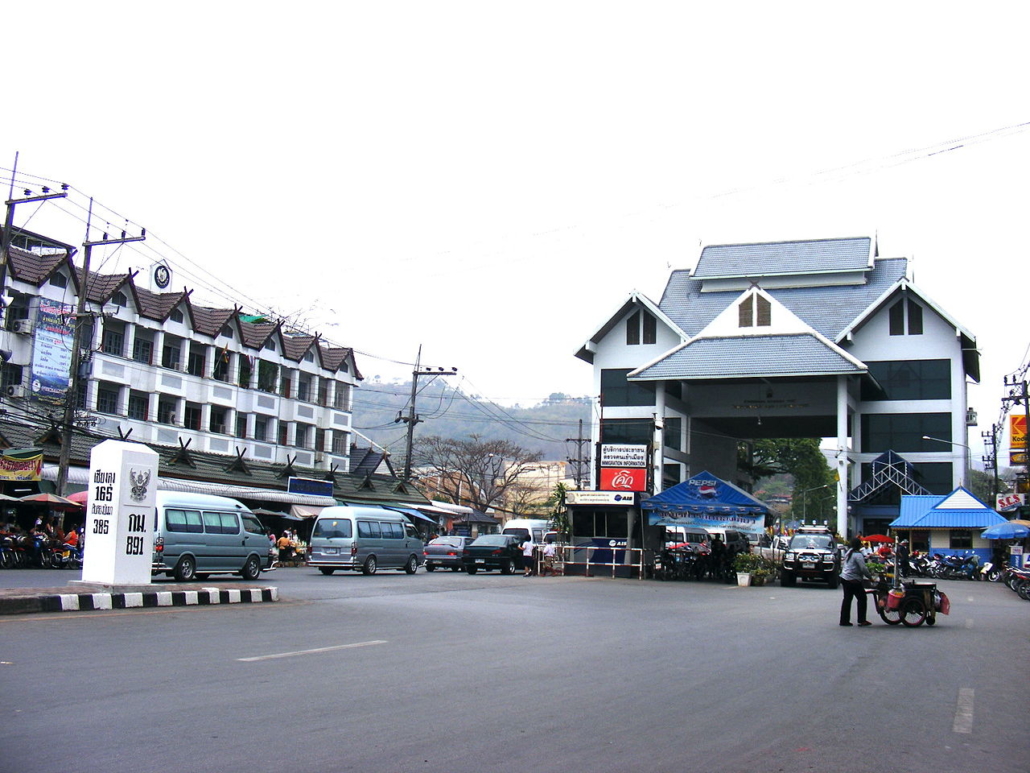
One way Myanmar is accelerating economic development, and therefore reducing poverty, is through investing in transport infrastructure. A major side effect of economic development is poverty reduction. Development often results in job growth, higher productivity and improved education. Myanmar, as well as other developing countries, noticed massive poverty reduction that followed economic growth. However, economic growth is not the only solution to reducing poverty. Despite the southeast Asian country reducing poverty from 48.2 percent in 2005 to 24.8 percent in 2017, poverty still affects one in four people. Myanmar is currently updating and adding roads in rural areas. Additionally, Myanmar is constructing bridges, highways and railways to increase transport between Thailand, an important trade partner.
Benefits of Investing in Transport Infrastructure
Based on the Asian Development Bank’s (ADB) 2016 Myanmar Transport Policy Note, the country needs about $60 billion in transport investments between 2016 and 2030 for transport infrastructure in Myanmar to be completely developed. Myanmar has approximately 20 million people who lack basic road access. Further, 60 percent of highways are in poor condition. The ADB also stated that Myanmar’s GDP could potentially increase to 13 percent or about $40 billion if transport infrastructure investments increased to 3 to 4 percent of the GDP. For reference, Myanmar spent about 1 to 1.5 percent of its GDP on transport infrastructure between 2005 and 2015.
Policy for Transport Infrastructure
As part of Myanmar’s Sustainable Development Policy 2018-30, transport infrastructure development is a prioritized area. The third goal in the report relates to creating jobs and boosting the economy with the help of the private sector. The National Strategy for Rural Roads and Access 2016, Myanmar National Transport Master Plan 2016 and National Export Strategy 2015-2019 are three plans focused on upgrading or constructing transport infrastructure in rural and urban areas. Investing in transport infrastructure in Myanmar could improve trade between Thailand and other countries, as upgraded ports, railways, roads and bridges will open up the country for trade.
Bridges and Roads
The second Thai-Myanmar Friendship Bridge is a bridge over the Moei River in east Myanmar that opened in 2019. The $126 million bridge connects the city of Myawaddy in Myanmar with Mae Sot in Thailand. Myanmar expects the bridge will significantly improve business between the two trade partners.
Two bridge projects in the capital Yangon are also underway. The Yangon-Thanlyin Bridge will connect the capital with Thanlyin, a major port city that handles most of the export and import shipments into and out of Myanmar. Estimates determine that construction on the $278 million bridge should end by 2021. Another bridge connecting Yangon with Dala in the southwest costs $188 million. Construction for this bridge should end by 2022. Dala is an underdeveloped and rural area that lacks bridges across the Yangon River; therefore, this forces inhabitants to take a ferry to cross the river. The bridge will not only help locals reduce travel time but also increase trade throughout Yangon.
Railways
Investments also include the construction of railways, after Myanmar noticed that the number of vehicles on roadways doubled from 2012 to 2016. Traffic within Yangon has become two to three times slower within the same time period. Yangon has a population of more than seven million, so reducing traffic congestion is an important issue. This also explains the push for bridge construction within the capital. The result of this observation led to the creation of the National Transport Master Plan in 2014. One part of the plan involves upgrading the $3 billion Yangon-Mandalay rail line. Work began in 2018, and it should be completed by 2023. Travel times between Yangon and Mandalay will likely reduce from 12 hours to eight hours.
Progress
Evidence of further progress in transport infrastructure in Myanmar is clear through the paved highway network, which increased by 35 percent. The country is developing at around 6 to 7 percent; however, according to the ADB, further investment in transport infrastructure is necessary to completely develop the transport sector. Job growth and improved trade are two major results of transport infrastructure investment. As the bridges and railways come to completion in the coming years, transportation within and outside Myanmar could greatly improve.
– Lucas Schmidt
Photo: Wikipedia Commons
