Top 10 Facts About Living Conditions in Dominica
Dominica is one of the islands in the Caribbean that suffered from two destructive hurricanes within the last four years. The hazardous climate in this region has been a catalyst for the building of resilient infrastructure. These top 10 facts about living conditions in Dominica highlight the benefit of disaster relief.
Top 10 Facts About Living Conditions in Dominica
- Dominica’s government is funded through the exchange of passports through the Citizenship by Investment Program. This program invites foreign residents to come and live on the island under certain agreements. One-third of the population of 74,027 lives on the coastline. The rest are scattered inland.
- Prime Minister, Roosevelt Skerrit, has expressed concern for the living situations caused by Hurricanes Erika and Maria. The Citizenship by Investment Program is funding projects for housing developments that brave Dominica’s natural hazards. The residential reconstructions include electrical, cable and telephone lines that run beneath the surface.
- The state has an international disagreement with Venezuela’s dominion over Aves Island. This calls into question whether the circumstances fall under the U.N. Convention on the Law of the Sea. But instead of a military, the Commonwealth of Dominica has a police force that includes a coast guard.
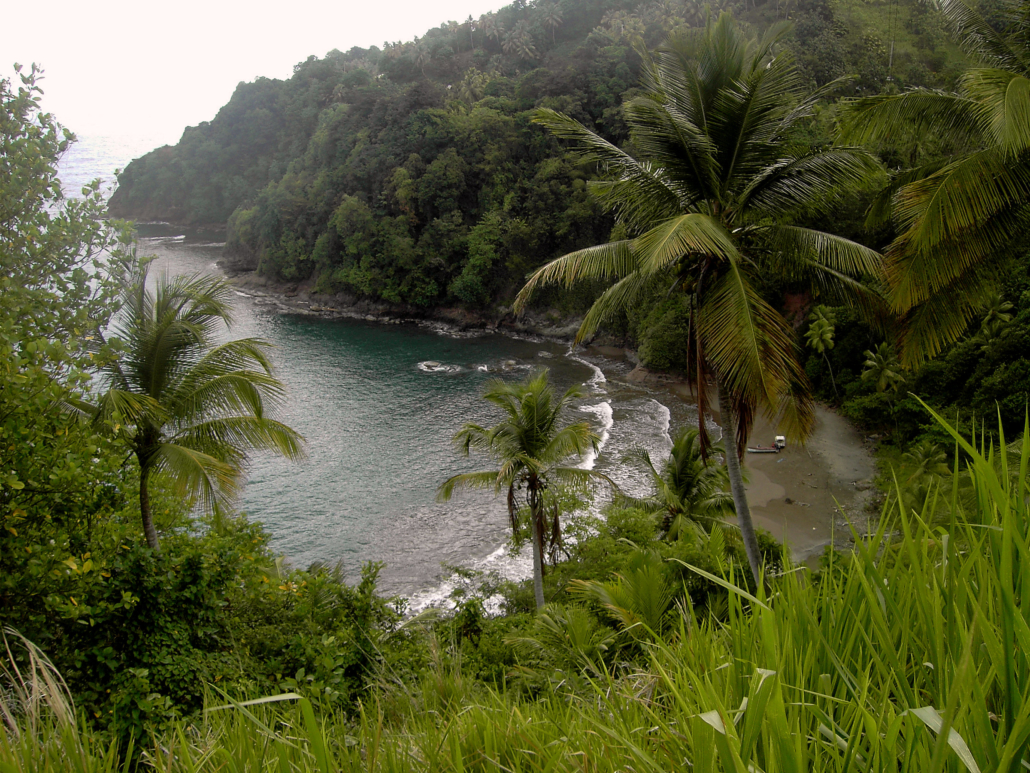
- Dominica has subtropical valleys and cool coastlines. However, the mountainous parts of the island can experience flash floods. Between June and October, hurricanes pose a major threat. These natural hazards contribute to soil erosion.
- Dominica suffered disruption in more than 40 of its water systems as a result of Hurricane Maria’s destruction. The Office of U.S. Foreign Disaster Assistance has partnered with the U.S. Agency for International Development, the International Federation of Red Cross and Red Crescent Societies (IFRC) to provide support with water, sanitation and hygiene. Access to safe drinking water was an urgent need for hurricane survivors.
- The Japan Caribbean Climate Change Partnership donated wood chippers, tillers, brush cutters, seeds, water tanks, soil testing equipment, machine-powered mist blowers and laptops to 40 Roseau Valley Farmers. The total cost of the project to equip farmers affected by Hurricane Maria’s devastation of agriculture $390,000.
- In an effort to sustain school feeding programs and engender the value of farmers, the Ministry of Agriculture is working to form an agro-entrepreneurship program in schools nationwide. The ministry has invested $70,000, not including other resources. The Junior Achievement Agricultural Program will use this opportunity to give students the experience of fundraising to cultivate their own food.
- The World Bank and the United Nations Development Programme assisted the Dominican government in the maintenance of public services following Hurricane Maria. The restoration of four hospitals, five medical clinics, three schools and six structures at the Dominica State College took place in the summer of 2108. More than 400 contractors learned the methods of climate resilient reconstruction.
- Plastic pollution has affected the island’s coast. In an effort to heal Dominica’s ecosystem, the country will have to restrain from using plastic through a plastic ban that the Prime Minister has introduced. The U.K. government is also funding the Commonwealth Marine Economies Programme (CME), which will improve the economy’s tourism sector by developing navigation charts to reduce the damage to Dominica’s coral reefs.
- The U.K. government’s CME Programme will also restore a tide gauge at Roseau’s port to detect unsafe sea patterns. Instructions on the conservation of data equipment, like the Tidal Analysis Software Kit, and connections to the Intergovernmental Oceanographic Commission, as well as to other experts, will contribute to the region’s tsunami warning system. These foundations and skills will bring stronger pre-disaster security.
Though strides are being made to establish Dominica as the first climate-resilient country, there is still danger in the unpredictability of these natural disasters. These top 10 facts about living conditions in Dominica show how proactive development of a stable infrastructure is the most effective way to respond to calamity. Systems must be put in place to overcome adversity before the blow.
– Crystal Tabares
Photo: Wikimedia Commons
