Top 10 Facts about Girls’ Education in Egypt
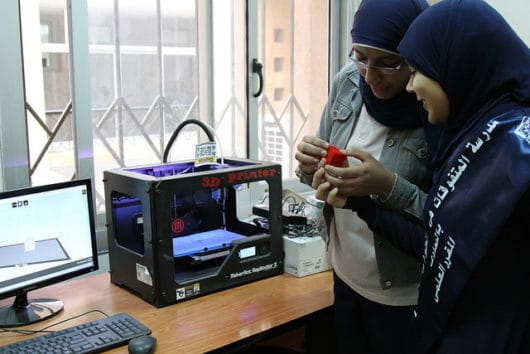
Education is one of the quickest ways for development and equality to happen in a society. Egypt is one of many countries that recognizes the importance of education in general and specifically, girls education.
The country has already made great strides towards equal educational opportunities for girls and progress only continues. In the article below, top 10 facts about girls’ education in Egypt and the implemented plans for development in the country are presented.
Top 10 Facts about Girls’ Education in Egypt
- There is a clear gender gap in Egypt’s education. Studies show that 64 percent of Egyptian girls and women above the age of 9 cannot read. The Egyptian government is doing everything to change this statistic by revamping the entire education system. Great plans for new education reforms and eliminating illiteracy entirely are established.
- In support of girls’ education in Egypt, the Ministry of Local Development plans to end illiteracy in just three years, starting in June 2018. The plan focuses on getting girls into safe and clean school early as early as possible.
- Egypt is completely redesigning their education system to reach girls. However, Egypt is focusing on providing an inclusive and quality education for anyone who seeks it, regardless of gender. This goal is perfectly expressed in Egypt Education Reform Project.
- The new reform focuses on primary and secondary schooling and rejects superficial approaches to learning, instead of promoting the development of important life skills such as problem-solving abilities. The Minister of Education in Egypt, Dr. Tarek Shawki, explained that the goals of the education system are teaching real-world knowledge and self-understanding. Children will be learning life skills as well as self-reflection.
- In support of girls’ education in Egypt, The World Bank is investing $500 million to improve access to quality primary and secondary education. This funding aims to upgrade classrooms and technology, allowing for around 500,000 children to start their education as early as in kindergarten by 2023. This funding will also allow for continued professional development for teachers and supervising staff.
- In 2000, the literacy rate for boys aged 15 to 24 was 80 percent and 64 percent for girls of the same age. In 2017, however, the literacy rate increased to 94 percent for boys and 92 percent for girls.
- The World Education’s integrated literacy initiative uses health information to teach women to read. The project, funded by the Ford Foundation, teaches women and girls how to read with books on women’s health, such as prenatal care, childbirth, postpartum care, breastfeeding, and health care for infants and new mothers. This program was so successful it is now standard in Egypt’s adult literacy programs.
- Educated women encourage more girls to go to school. One woman explained that once she began her education, her daughter, who was illiterate and had received no prior schooling, felt encouraged to begin literacy training. Girls will learn from their mothers and the women around them that education and empowerment are intertwined.
- Many girls are denied the right to an education because they are pushed by their parents and communities into getting married. New education opportunities and developments reject the idea that married women cannot be educated and emphasize that girls’ education in Egypt is key to development and growth.
- Investing in women’s education will promote rapid development in Egypt. In school, girls can learn about healthy choices and civic duties, alongside new technology and media. Women will know how to keep records, manage loans and handle other financing programs, allowing for growth in Egypt’s business and economy. This can be done with the help of U.N. Women and other organizations as well. According to the IMF, raising the female labor force participation rate to the male level, coupled with access to employment opportunities, would increase GDP by approximately 34 percent.
Egypt is a great example of how less developed countries can and should be committed to giving girls quality education. Great progress has been made in the country, as presented in the top 10 facts above, but there is room for more improvements.
A great way to stay involved with girls’ education in Egypt and across the world is to support Protecting Girls’ Access to Education in Vulnerable Settings Act. Contacting U.S. state and national representatives to support this bill ensures that girls’ access to education only continues to improve.
Photo: Flickr
