The Atacama Desert Clothing Dump: A Global Fashion Crisis
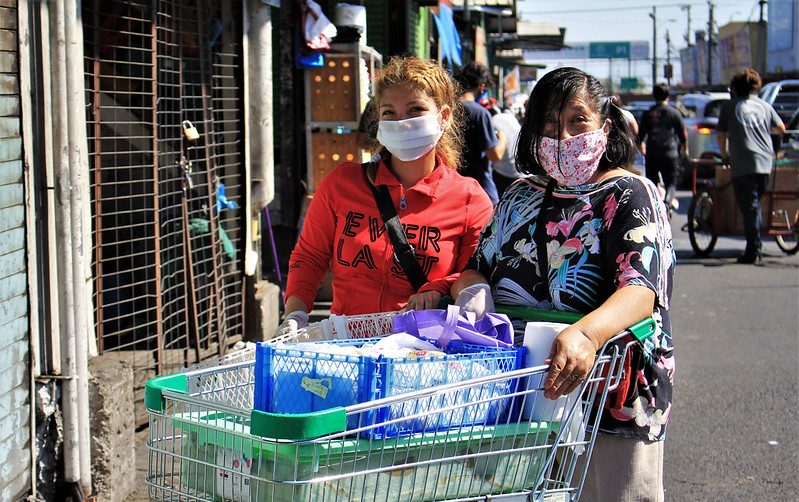 The fashion and global health crisis in Chile’s Atacama Desert highlights critical health and environmental issues directly impacting local lives. The Atacama clothing dump, a stark manifestation of Chile’s intricate relationship with fashion, accumulates massive quantities of secondhand clothing discarded by wealthier nations. This issue arises from the extensive importation of these garments, presenting significant concerns for the region.
In 2021, Chile imported approximately 126,000 million tons of secondhand and unsold clothing from China, the United States (U.S.) and the Republic of Korea. From 2000 to 2004, clothing production doubled and three-fifths of this clothing was estimated to end up in landfills. These imports often consist of fast fashion items, known for their low quality and quick obsolescence. Despite efforts to resell the items locally or in other South American markets, much remains unsold and contributes to the massive clothing dump in the desert. This practice has resulted in environmental and public health issues increasingly becoming a global concern.
Environmental Contamination from Fashion Waste
The chemical composition of discarded garments is a primary issue. Synthetic fabrics and chemical dyes found in fast fashion items do not decompose easily and often leach hazardous chemicals into the environment. Over time, this can result in significant soil and water pollution. Given the arid nature of the Atacama Desert, contamination of limited groundwater resources can disproportionately impact local ecosystems and nearby communities, as access to clean water is crucial in such an environment. Furthermore, the gradual breakdown of these synthetic fibers releases microplastics into the ecosystem. Wildlife ingests these microscopic particles, which can travel through the food chain, potentially reaching human populations and causing health issues such as gastrointestinal and reproductive problems. While the long-term impacts of microplastic ingestion are still under study, initial research suggests they may contribute to various health complications.
