The Potential of the Sisal Plant in Addressing Period Poverty
 According to the World Bank, period poverty has affected 500 million women globally, leading women and girls in developing countries to miss out on their education and work. To combat the striking number of women plagued with inconveniences to their basic health necessities.
Three Stanford researchers, Anton Molina, Anesta Kothari and Manu Prakash, are working on a solution to these struggles by asking, “Can Plants Help End “Period Poverty?” and they found their answer: Sisal.
Sisal Plant, The Key to Ending Period Poverty
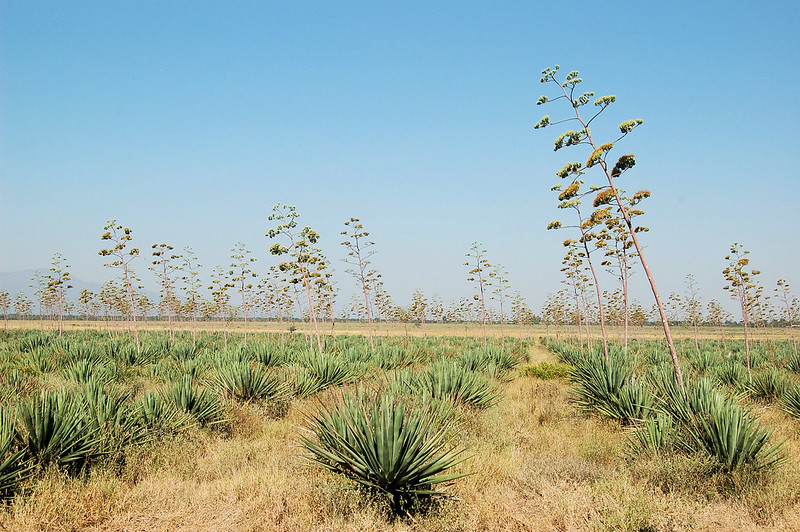
The sisal plant is an agave plant that is originally from Mexico. The sisal plant is grown for the fibers in its leaves to create ropes. While the main focus of the sisal plant has been on the production of ropes, Molina, Kothair and Prakash have found that the plant can be efficient in producing pads. The researchers used a chemical process to remove the plant cell walls from the sisal plant. They can blend the rest of the plant and create a fluffier, absorbent material.
The blended material is optimal in developing countries because the chemicals they use to remove the cell walls are local to various countries. The sisal plant can also grow in arid areas and does not need much upkeep to maintain its length. According to Communications Engineering, “Sisal can be harvested year-round across a variety of geographies, yielding over 200,000 tonnes globally in 2020.”
More Comfort and Absorption
These plant-based pads provide users with a more efficient pad for comfort and absorption than hemp and flex seed pads. According to Communications Engineering, “There is a clear difference in porosity between the two materials with flax-derived fluff pulp being much denser than the hemp-derived fluff pulp and both, in turn, being less dense than cotton-CMP.”
In an interview with Nature Journal, the Stanford team shared more about the sisal and its effectiveness. The sisal fibers could absorb liquids better than other cotton materials. “It has the right amount of cellulose that fibers…the part of the plant that holds the water, making it a viable center of the menstrual pad.”
How Can This Help End Period Poverty?
Period poverty is a global plight many organizations have tried to battle through donations of a supply of period products. However, because of the need for more awareness of the dire situation, those who donate do not think to add period products or present the correct products needed for particular countries. Period products are not as accessible in developing countries as many women cannot afford to buy them monthly because they are too expensive.
Culturing the sisal plant allows women to process and create their pads at a cheaper rate without worrying about monthly expenses. The Stanford researchers continue to spread information about their plant-based pads and, through their efforts, have developed an efficient and hopeful path to ending period poverty using a hardy plant.
– Jessica Jean-Baptiste
Photo: Flickr
