Top 3 Winners of the Millennium: Tertiary Sector and Poverty Reduction
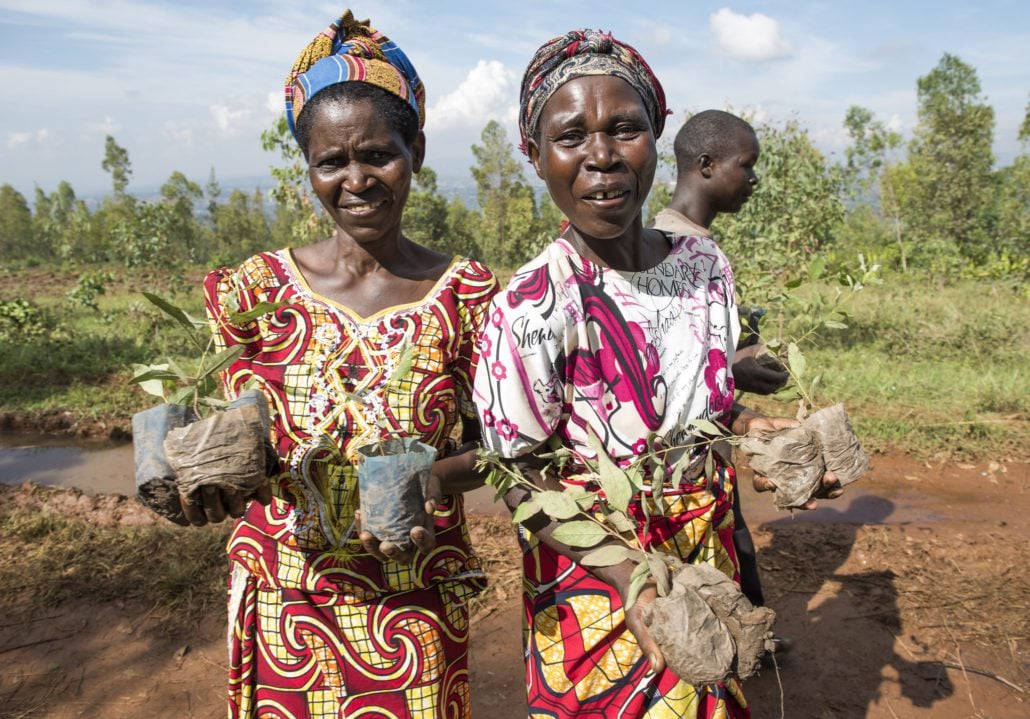
The world entered the 2000s with hope; the 1900s had seen the largest conflicts in history and devastating pandemics. Nations and people have made efforts to improve the world. Rwanda, Bangladesh and Vietnam provide examples of substantial poverty reduction since the turn of the millennium.
Rather than ranking countries against each other, this article examines different routes toward improving livelihoods and reducing poverty.
In June 2025, the World Bank updated its international extreme-poverty line from $2.15 (2017 purchasing-power-parity dollars) to $3.00 (2021 purchasing-power-parity dollars), drawing on new price data and revised national poverty lines. Older data using the $2.15 measure should be identified separately rather than directly combined with newer estimates.
Rwanda
Rwanda faced one of the worst atrocities in history during the Rwandan Genocide. After gaining independence from Belgium and later separating from Burundi, Rwanda became a free republic in 1962. The rural share of Rwanda’s population remained around 97% from 1962 until the 1994 genocide. The genocide included looting, destruction and a lack of maintenance on critical infrastructure; this culminated in a steep drop in the economy of an already poor country.
Since the turn of the millennium Rwanda has reduced the proportion of its population living under the extreme poverty line from 82% to 38% in 2023. Part of the reduction is in the shift to the tertiary sector, which makes up more than half of the country’s total GDP since 2024.
The tertiary sector has a complex relationship with poverty reduction. While it requires workers to have education or skills, which alienates the most impoverished, with proper implementation it absorbs surplus labor in less heavily qualified sectors such as agriculture. In Rwanda’s case, investment in education has been associated with a net enrollment rate of 98% in primary education. This has broadened the availability of the tertiary sector and allowed lower-income families to enter the sector. Alongside this, the increased pay leads to increased taxation, providing the government with more funds to allocate to programs such as Vision 2020. The program aims to develop Rwanda into a knowledge-based economy.
Bangladesh
Bangladesh started as East Pakistan in 1947 after the partition of the British Raj, and after decades of ill treatment its people rebelled in 1971. The country survived a genocide, which most U.N. member states do not recognize, before forming Bangladesh as an independent nation. A history of oppression has contributed to Bangladeshi poverty, similar to Rwanda; however, Bangladesh faces even further struggles with overpopulation and climate crisis. Heavy flooding routinely strikes Bangladesh, which sits only 10 meters above sea level on average. These two issues would challenge a fully developed economy, let alone a still developing nation.
Despite these challenges, Bangladesh has made substantial progress against poverty. The World Bank estimated extreme poverty at 5% in 2022 using the former $2.15 international poverty line, while warning that revised survey methods limit direct comparison with older rounds.
Job creation affects the reduction, with the tertiary sector making up 51% of the GDP and employing 39% of Bangladesh’s workforce. In real numbers, industry added 9.4 million jobs, compared with 21.2 million in the service sector. This has received assistance from the Primary Education Stipend Project, which provides food to mothers with the stipulation that their children maintain an 85% school attendance rate. This provides an educated workforce for the country and offers a route out of poverty.
Vietnam
Vietnam has a troubled history, defeating three superpowers in the previous century to ensure independence. Occupation left Vietnam fractured, and the civil war divided it. Alongside these issues, Vietnam has also had to battle the elements, with the monsoon season and regular typhoons flooding the country. To this day Vietnam struggles with education, with a survey in 2021 finding that only 58% of students completed high school-level education.
Since 1986, Vietnam has continued the Đổi Mới program, which means “Restoration.” The program focuses on international trade and shifts Vietnam from socialist autarky toward a liberated private sector. This shift transformed Vietnam from a country that suffered food shortages into one of the world’s largest rice exporters. These changes reduced poverty from 43% in 2002 (there is no data for 2000) to just 1.6% in 2022. Vietnam’s consistent 6.5% economic growth from 1986 to 2009 ranks among the highest rates within developing countries. These reforms helped create conditions associated with substantial poverty reduction.
Conclusion
While Rwanda, Bangladesh and Vietnam continue to face challenges, their experiences show how sustained economic and social development can help reduce poverty. Rwanda and Bangladesh highlight the importance of investment in education and the expansion of the service sector, while Vietnam’s experience shows how economic reform and international trade can transform a country’s economic opportunities. Although these approaches differ, they share a common theme: reducing poverty requires more than economic growth; it also requires opportunities for people to participate in and benefit from that growth.
– Eoin Baxter Mackay
Eoin is based in Prestwick and focuses on Good News for The Borgen Project.
Photo: Flickr
