Taking a Closer Look at Poverty Reduction in Bangladesh
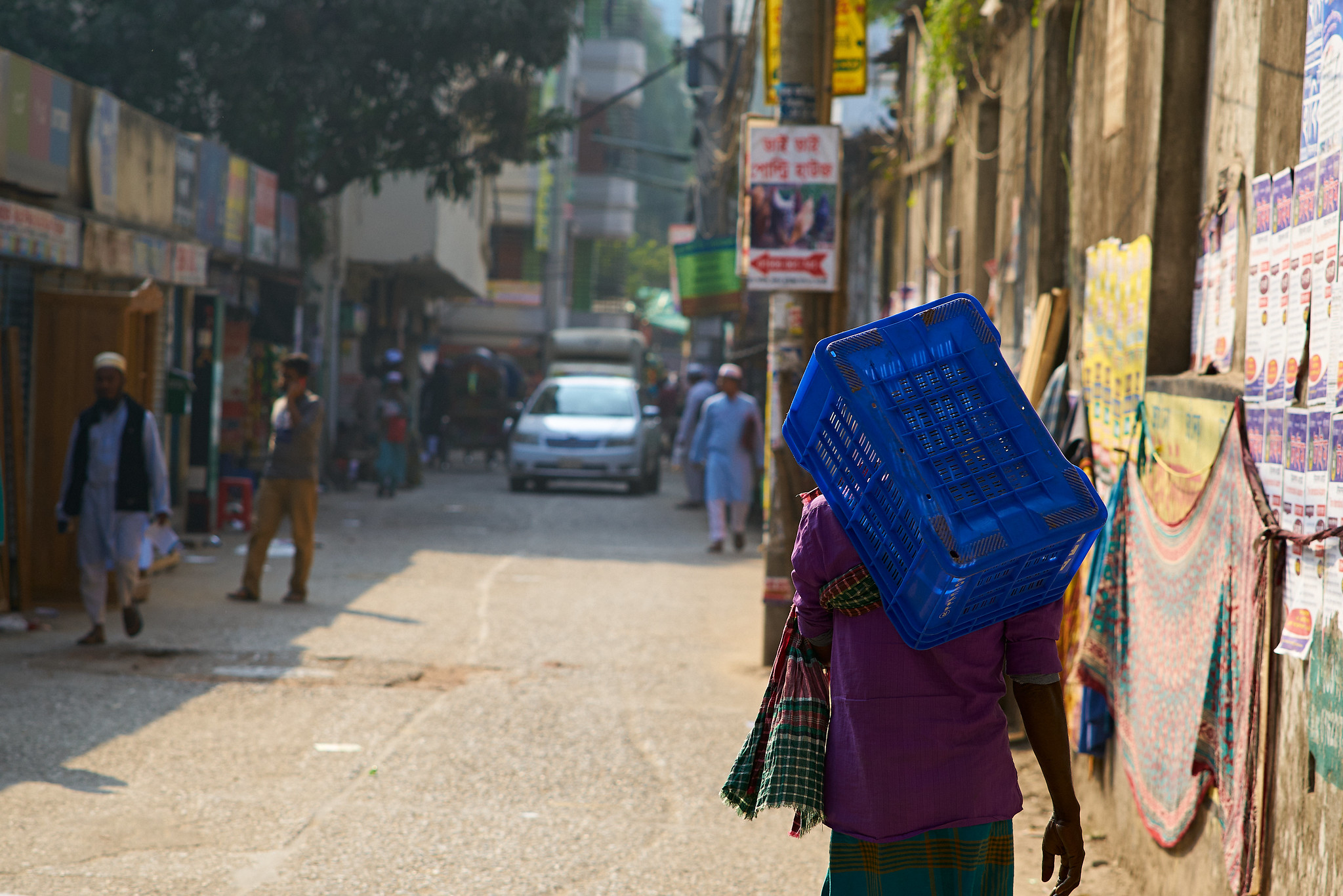
The People’s Republic of Bangladesh has made a remarkable improvement in poverty reduction since 2000. The number of individuals living in poverty declined from 63 million in 2000 to 47 million in 2010, representing a 27% decrease.
Poverty in Bangladesh has reduced significantly largely due to changes in demographics and increases in labor income. Fertility rates also declined during this period. This led to fewer dependency ratios and a higher per-capita income.
“Against the odds, Bangladesh lifted 16 million people out of poverty in the last 10 years and also reduced inequality; that is a rare and remarkable achievement,” said Johannes Zutt, World Bank Director for Bangladesh.
Bangladesh’s recent improvement is a step toward becoming a middle-income country by 2021. Bangladesh needs to lift an additional 15 million people out of poverty. To do so, the government must boost investments in the transportation, power and gas sectors.
Moreover, the People’s Republic of Bangladesh could improve the skills of its labor force and focus specifically on the youth. This will harness the “demographic opportunity” of the country.
Bangladesh could also make use of its vast social safety net expenditures by improving program design to emphasize on human capital accumulation. Such services will be targeted towards the poorest communities and ensuring that growth remains inclusive.
Another considerable factor that contributed to poverty reduction in Bangladesh was microfinance institutions (MFIs). Such programs thrive to create innovative ways to financially support the poor.
These initiatives include training and entrepreneurial programs for the poor communities, helping 32 million individuals. In the past two decades, MFIs have contributed to poverty reduction in Bangladesh.
– Noman Ahmed
Photo: Flickr
