Education Reform in Vietnam Leads Way for Poverty Reduction
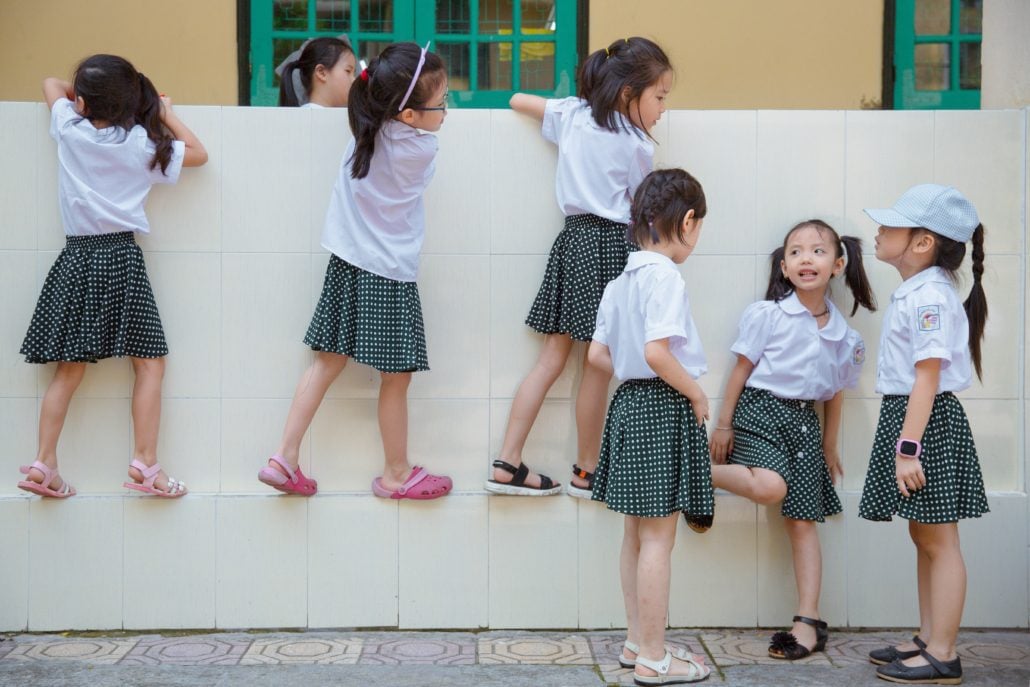 Education reform in Vietnam has decreased out-of-school rates among adolescents by at least 80% since 2000, according to a 2026 UNESCO report. Poverty reduction in Vietnam has been equally staggering, with the rate of people living at $3 a day going from 43.31% in 2002 to 1.6% in 2022, according to the World Bank Poverty & Inequality Platform.
Vietnam’s reform efforts and its recent economic improvement led the World Bank to reclassify the country from a lower-middle-income country to an upper-middle-income country in July. While education and poverty may seem unrelated, they are heavily connected, and the improvement of one leads to the improvement of the other.
Behind Education Reform in Vietnam
Projects increasing educational opportunities for vulnerable populations have contributed to the reduction of out-of-school rates. One such project is UNESCO’s We Are ABLE (Achieving Better Living and Education) program, which gives ethnic minority women access to quality education. The ongoing program has benefited more than 8,000 students since 2019 and helped hundreds of school teachers and managers with inclusive curriculums and classroom practices, according to the United Nations Sustainable Development Group.
Other programs, such as Mother Tongue-Based Bilingual Education, which instructs children in both their local languages and in Vietnamese, and Vi Vu, a text-to-speech software that helps visually impaired students in the Southern dialect, are making schooling more inclusive and accessible, contributing to higher in-school rates.
Improvement in infrastructure has also enhanced educational opportunities. More than 90% of schools in Vietnam now have internet access, according to a UNSDG report from Jan. 2025, increasing the quality of schools and education.
Additionally, national organizations have built more classrooms for children over the years, according to Ministry of Education and Training Pham Ngoc. In a 2024 conference in collaboration with Vietnam Television (VTV), a national TV station and news site, Ngoc said that the number of classrooms in the country increased from 553,181 in 2013, with only 65.9% being structurally sound, to 628,571, with 86.6% being structurally sound, according to VTV. This nationwide increase has especially helped children in rural or remote areas, who may have previously been too far from schools to receive quality education.
Education reform in Vietnam has also significantly reduced poverty in the country.
Education Reform and Poverty Reduction: a Cycle
A 2023 study in the Social Indicators Research journal analyzed the link between education and poverty by monitoring 34 European countries from 2015-2019. The study found that an increase in education levels led to poverty reduction, and the authors even claimed that education appeared to be “one of the best effective methods to eradicate poverty” in a country.
Lack of education can put individuals into poverty because they may not have the required skills and knowledge to find employment, according to the RELX SDG Resource Centre. The article says that it is especially important for women to receive proper education to reduce poverty rates. Educated women are less likely to marry and have children at a young age, allowing them to pursue their education and receive high-paying opportunities.
Poverty also leads to worse education. It affects children’s ability to attend school, from an affordability standpoint, and affects students’ performance in school. Children in poverty not only start school less ready than more affluent peers, both academically and socially, but “the incidence, depth, duration, and timing of poverty all influence a child’s educational attainment,” according to a 2007 study in the Paediatrics & Child Health journal. Factors such as lower parental education and higher stress in the family negatively affect children’s academic development.
Looking Ahead
Education and poverty are inherently related. As education reform in Vietnam continues, poverty’s downward trend will also continue, which, in turn, will lead to better education. Although Vietnam is still working to put more children in schools and take people out of poverty, the nation is proof that education reform greatly reduces poverty.
– Koya Weiss
Koya is based in Boston, Massachusetts, United States and focuses on Good News for The Borgen Project.
Photo: Pixabay
