• Link to X
  • Link to Facebook
  • Link to Instagram
  • Link to TikTok
  • Link to Youtube
  • About
    • About Us
      • President
      • Board of Directors
      • Board of Advisors
      • Financials
      • Our Methodology
      • Success Tracker
      • Contact
  • Act Now
    • 30 Ways to Help
      • Email Congress
      • Call Congress
      • Volunteer
      • Courses & Certificates
      • Be a Donor
    • Internships
      • In-Office Internships
      • Remote Internships
    • Legislation
      • Politics 101
  • The Blog
  • The Podcast
  • Magazine
  • Donate
  • Click to open the search input field Click to open the search input field Search
  • Menu Menu

Tag Archive for: Poverty in the CAR

Posts

Global Health, Global Poverty, Women & Children

Reducing Maternal Deaths in CAR

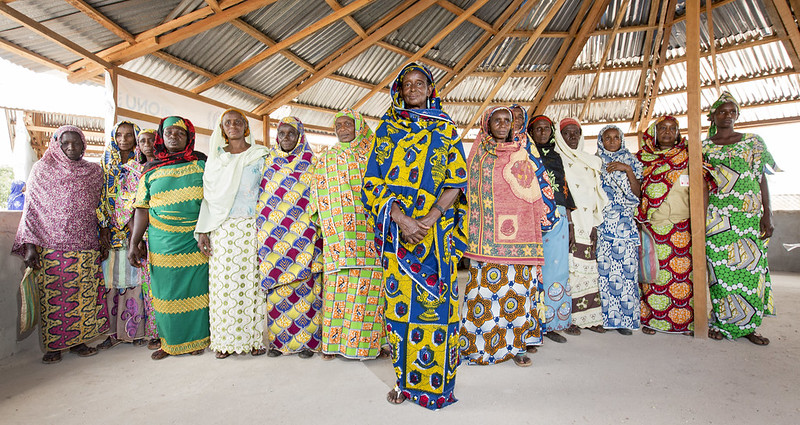
A community midwife in CAR assists a pregnant woman during a check-up. Maternal Deaths in CARThe Central African Republic (CAR) has one of the highest maternal mortality rates in the world, at 835 deaths per 100,000 live births. A shortage of skilled health care providers and an unequal distribution of health services drive these high maternal deaths. Preventable conditions such as postpartum hemorrhage, hypertension and sepsis fuel the risks. These challenges explain why helping community midwives reduce maternal deaths in the CAR remains essential, especially in communities facing rapid population growth and limited services to support them.

Rural areas record only 28% of deliveries assisted by a skilled worker and just 2% of deliveries receive surgical assistance. The World Health Organization (WHO), UNICEF and the International Medical Corps expand access to maternal health care, train community midwives and strengthen rural health systems.

Training Community Midwives to Deliver Safer Births

WHO trains and deploys community midwives to expand access to skilled care. Fewer than half of pregnant women in CAR attend fewer than the four recommended antenatal consultations, with most deliveries occurring at home. By placing midwives directly within communities, WHO reduces the distance and cost barriers that prevent many women from seeking care.

Community midwives build trust and encourage families to seek skilled delivery services. In 2024, WHO equipped 30 maternity wards with essential medical equipment and medicines to improve the safety and dignity of maternal care. These improvements ensure that midwives can manage complications more effectively and women receive specialized and emergency care.

Community midwives help lower maternal deaths in the CAR.

Improving Access to Maternity Services

Rural communities in CAR face significantly higher risks during pregnancy and childbirth. Although understanding of midwifery care is increasing, many women still cannot reach health facilities.

UNICEF works to reduce delays in antenatal consultations and ensure that women receive timely and appropriate care. This support operates in five of the country’s 35 health districts. Bossangoa, a district of 176,688 people, shows the impact of this initiative. The regional hospital sits more than 90 kilometers from the farthest village, which makes access difficult. These long distances often force women to give birth at home without skilled assistance, increasing the likelihood of preventable complications.

In Nodokota, a local matron, Adele, received hands-on obstetric and neonatal training supported by UNICEF and donor funding. These practical skills improve conditions in remote communities and contribute to helping community midwives reduce maternal deaths in the CAR.

Establishing New Midwife Training Schools

To strengthen maternal health care, the Ministry of Health and Bangui University partnered with the International Medical Corps to establish the Bria Auxiliary Midwife Training School in 2024. The school serves a remote region of more than 150,000 people and offers a two-year certification program based on French Red Cross curriculum adapted to national and international standards.

This program covers prenatal care, labor and delivery, postpartum care, family planning and newborn care. Enrollment reached 51 students by November 2024, with graduates expected in 2026. These trained auxiliary midwives will return to their rural communities with the skills needed to support mothers and newborns. By expanding the midwifery workforce, the program advances helping community midwives reduce maternal deaths in the CAR.

Strengthening Midwifery Leadership

In 2024, African midwives gathered in Ghana to discuss a new advisory body to represent midwifery across the continent. The summit brought together midwifery associations and young midwives and emphasized leadership development and equitable representation.

With 70% of the population under 30, investing in young midwives strengthens the future of maternal health. The movement also focuses on shaping maternal care around African realities and ensuring midwives closest to communities guide decision-making. This approach shifts influence toward local practitioners who understand the community needs and the barriers women face when seeking care. It also helps build a new generation of midwifery leaders who can advocate for stronger policies and more equitable health systems.

This regional collaboration supports long-term progress in helping community midwives reduce maternal deaths in the CAR.

Final Thoughts

These initiatives transform maternal health in the CAR by expanding access to health care, strengthening midwife training and improving services in rural areas. This support is especially important because most medical personnel work in urban centers, which leaves rural communities underserved. Through the efforts of WHO, UNICEF, the International Medical Corps and regional midwifery leaders, community midwives are increasingly equipped to provide safe, skilled care and continue helping community midwives reduce maternal deaths in the CAR.

– Flora de Leeuw

Flora is based in Bath, UK and focuses on Good News and Global Health for The Borgen Project.

Photo: Flickr
June 16, 2026
https://borgenproject.org/wp-content/uploads/borgen-project-logo.svg 0 0 Lynsey Alexander https://borgenproject.org/wp-content/uploads/borgen-project-logo.svg Lynsey Alexander2026-06-16 03:00:472026-06-15 12:48:46Reducing Maternal Deaths in CAR
Cultural Heritage, Global Poverty

Protecting the Aka People From the Brink of Poverty

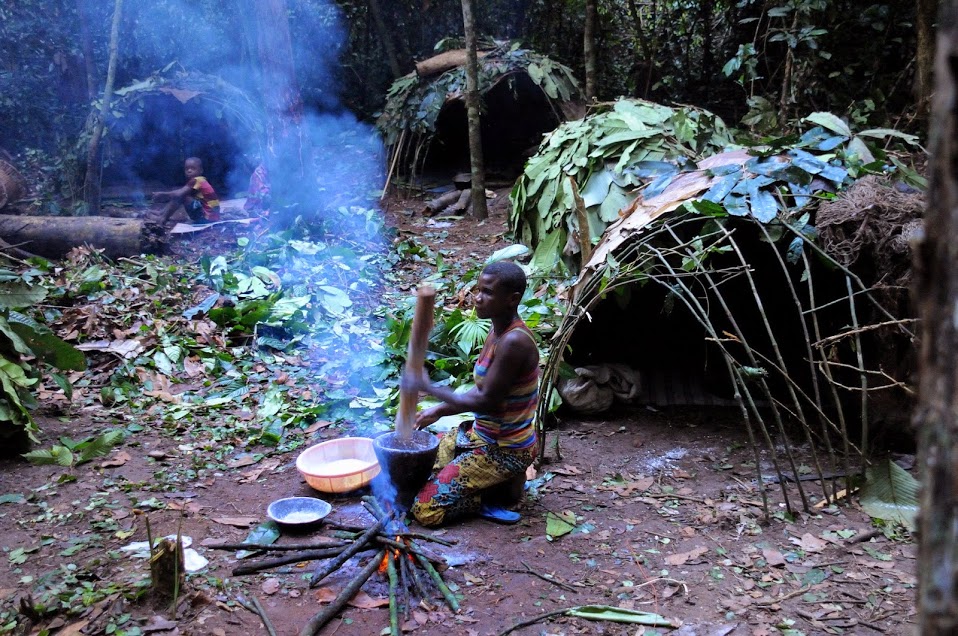
the Aka PeopleThe Central African Republic (CAR) has, in large part, become a place that is forgotten by most of the world. For years, it has dealt with drastic political instability, which has left most of the population with little to no access to education, health care or a stable income. Per the World Bank, two-thirds of CAR’s population live in extreme poverty, nearly 67.7%. Families survive on only a few dollars every day and rural communities often lack even the most basic public services.

Living in the Forest: The Aka Culture and Knowledge

While CAR is home to many ethnic groups, the Ba’ka people have been especially left behind. They have lived in harmony with nature for centuries, possessing ecological knowledge that modern conservationists are only beginning to understand. Today, they face the same national challenges as others, often at a greater cost, experiencing deeper and more persistent exclusion. 

The Ba’ka have built their culture around hunting and tracking. Aka hunters follow animals by interpreting subtle signs in the soil and on the forest floor. Women gather medicinal plants, edible roots and wild vegetables. This knowledge is carefully passed down through generations.

Trapped in Cycles of Exploitation

Modernization and land pressures are increasingly disrupting the Aka people’s way of life. Logging, conservation zoning and agricultural expansion reduce the land available for traditional practices. As forests shrink, Aka families often move closer to roadside settlements, where discrimination and economic exploitation are common.

Many Aka people in CAR report unequal labor arrangements with neighboring farming communities. In some cases, families work in fields or perform domestic labor in exchange for food, used clothing or small goods rather than fair wages. These informal arrangements trap families in intergenerational debt and create long-term dependency. 

How the WWF Has Helped Aka Communities

The remote nature of many Aka communities leaves them largely invisible and without formal identity. However, international organizations like the World Wildlife Fund (WWF) and private NGOs have stepped in to help protect the Ba’ka from extreme poverty, providing employment opportunities and other essential resources. A particularly valuable resource for the Aka has been their deep ecological knowledge. 

Their expertise in tracking wildlife and monitoring poaching is often relied upon by the WWF and other conservation groups. This knowledge has allowed the Aka to secure employment outside the traditional debt-trap cycle.

Hope for the Aka People

The lack of documentation makes Aka communities statistically invisible. When governments and international organizations allocate resources, unregistered individuals often fall outside official counts. To address this gap, many NGOs have launched mobile civil registration campaigns that travel directly to remote forest regions in CAR, helping families obtain legal citizenship and birth certificates. 

UNICEF leads the most extensive mobile registration effort across the Congo Basin through the No Name Campaign, which aims to ensure every child can gain citizenship. In February 2026, UNICEF reported that it has distributed birth documents to more than 1,000 schoolchildren. 

A young boy named Azor received his certificate during this drive. Previously, he could not sit for his primary school exams; thanks to UNICEF’s efforts, he can now dream of one day traveling internationally to watch football.

– Haydn Goodboy

Haydn is based in MA, USA and focuses on Good News for The Borgen Project.

Photo: Wikipedia Commons

March 23, 2026
https://borgenproject.org/wp-content/uploads/borgen-project-logo.svg 0 0 Lynsey 2 https://borgenproject.org/wp-content/uploads/borgen-project-logo.svg Lynsey 22026-03-23 03:00:362026-03-21 14:14:18Protecting the Aka People From the Brink of Poverty
Global Poverty, Health, HIV/AIDS

HIV in the Central African Republic

HIV in the Central African RepublicThe Central African Republic (CAR), located in the heart of the continent, has long faced a severe HIV epidemic. While HIV has largely dwindled in threat in the West, it remains the primary cause of mortality in the CAR. In 2019, there were 4,800 deaths and 110,000 people overall living with the disease in the nation.

This epidemic has been declared a national crisis, one intensified by the lasting and prevalent stigma shadowing HIV. This fatally impacts treatment access for people living with HIV (PLHIV) in the Central African Republic. To understand and combat this situation, initiatives in the CAR piloted by Médecins Sans Frontières (MSF) and UNICEF focus on eradicating stigma-based prejudices through community-based aid. Their programs validate the significant impact of providing psychological support to PLHIV, especially in a situation that may feel hopeless.

HIV-Related Stigma

The 2018 PLHIV Stigma Index found that 87% of PLHIV experienced discrimination that affected their daily lives. The health care sector in the CAR is severely underfunded, resulting in insufficient (or sometimes zero) government-led ethics training being delivered to workers.

As a result, these professionals develop inaccurate beliefs about transmission causes and harbor fear-based prejudices against PLHIV. Hence, incidents such as humiliating comments, disclosure of HIV status and alienation from health care professionals affect PLHIV, with 12% avoiding health centers because of their status.

PLHIV in the CAR not only fear discriminatory professional care, but also fear being “found out” by their peers — an exposure that can lead to consequences such as social marginalization, family rejection or even violence from intimate partners. This double barrier creates a deep-seated fear, resulting in fatal disengagement from care, a challenge foreign aid organizations are working to address.

Antiretroviral Treatment

Campaigns across the CAR focus on utilizing community support groups to improve adherence to antiretroviral medicine (ARV) treatment plans. This medication can reduce levels of HIV to an undetectable level and protect the immune system. Thus, without access to it, PLHIV may experience numerous fatal complications and a risk to their quality of life.

However, MSF reported that, in 2016, only 18% of PLHIV in the CAR were actively undergoing ARV treatment provided by the CAR government. It found that by the time the majority of patients begin treatment, their immune systems are too badly compromised and they are already suffering from advanced and unmanageable AIDS. Chillingly, this is the case for two-thirds of PLHIV in the CAR.

Community Groups

The E Bata Guigui (Let Us Protect Life) group, initiated in 2018 by UNICEF in the CAR’s capital city, Bangui, promotes treatment through offering empathy and reassurance for PLHIV. The campaign consists of 2,000 young people offering peer solidarity, encouragement for testing and accompaniment through treatment appointments and journeys.

Results show that more young people aged 0-14 with HIV in the CAR have access to treatment, even after being deterred by their local clinics. Evidently, treating PLHIV with humanity can often be life-saving.

In 2019, MSF launched its Community Groups initiative across West Africa. The program allows one member to collect drug refills on behalf of the group, improving adherence and access to long-term treatment. Its stigma-sensitive approach — centered on self-management and peer support — has led to an increase in viral suppression and patient follow-up rates. Within a year of implementation, more than 1,800 patients had begun HIV treatment and 558 new cases were diagnosed.

Positive Changes

The milestones achieved by Community Group programs surrounding early diagnosis, medication uptake and treatment adherence show valuable strides toward a brighter, healthier future for PLHIV in the CAR. While challenges remain, the progress made in tackling widespread discrimination, through greater acceptance and enhanced psychological support, has already bettered both physical and mental health outcomes, delivering hope to those who once felt there was none.

– Emily Wooster

Emily is based in Birmingham, UK and focuses on Good News and Global Health for The Borgen Project.

Photo: Flickr
October 14, 2025
https://borgenproject.org/wp-content/uploads/borgen-project-logo.svg 0 0 Lynsey 2 https://borgenproject.org/wp-content/uploads/borgen-project-logo.svg Lynsey 22025-10-14 03:00:352025-10-14 01:39:57HIV in the Central African Republic
Education, Global Poverty, Health

Facts You Did Not Know about Period Poverty in the CAR

Period Poverty in the CARPeriod poverty constitutes a pressing global public health challenge many have often disregarded. It encompasses a lack of access to menstrual products, education and proper sanitation facilities. Although Period Poverty may sound cliché, its implications are far-reaching and often unrecognized. Despite significantly impacting millions of girls worldwide annually, the issue remains largely unaddressed by the media. Nowhere is this issue more acute than in the Central African Republic (CAR), where it compounds existing obstacles to accessing essential resources such as education and health care services. This article explores key facts about period poverty in the CAR. It highlights its harsh realities and stresses the urgent need for support and intervention.

Limited Access To Menstrual Products

Limited access to menstrual products in the CAR exacerbates challenges faced by women and girls, hindering their ability to manage their menstrual health effectively. The United Nations Children’s Fund (UNICEF) warned ahead of Menstrual Hygiene Day in 2014, highlighting the dire consequences of stigma, poverty and inadequate access to essential services such as toilets and water on menstrual health and hygiene for women and girls.

Particularly affected are the poorest, ethnic minorities, refugees and individuals with disabilities. Although menstrual materials are widespread, ranging from 81% to 100% across most countries surveyed, some rely on inadequate substitutes like paper or nothing. Additionally, access to private spaces for washing and changing varies greatly, with significant disparities between rural and urban areas and ethnic groups facing even more critical challenges and limitations in emergency settings.

The Educational Barriers

CAR significantly impedes educational opportunities for young women. One in four miss school due to substandard facilities for menstruation and a lack of menstrual education. This absence of proper menstrual hygiene management not only hampers students’ education but also perpetuates the stigma and shame surrounding menstruation.

Health Implications

The deficient management of menstrual hygiene poses significant health risks for young women. Insufficient menstrual hygiene increases the likelihood of infections and reproductive health issues, potentially leading to long-term health complications. Furthermore, poor menstrual hygiene can contribute to social stigma and discrimination, exacerbating the mental and emotional well-being challenges faced by young women.

Cultural taboos surrounding menstruation persist in the CAR, exacerbating challenges for women and girls. The enduring stigma attached to this issue fosters silence, further complicating the establishment of effective policies concerning menstrual health.

Additionally, economic disparities worsen period poverty, particularly affecting women and girls from low-income households. Affording menstrual products becomes a challenge, perpetuating a cycle of poverty that obstructs their opportunities for advancement.

NGO Interventions and Future Prospects

Nonprofit organizations (NGOs) actively assist girls and women in the CAR who face challenges due to period poverty. NGOs like Days for Girls are at the forefront, educating about menstrual health, distributing hygiene products and challenging stigmatizing beliefs surrounding menstruation.

Period poverty in the CAR is a multifaceted challenge demanding attention, awareness and unified action. Despite progress, sustained efforts and partnerships with local communities and the government are essential for lasting change.

– Jayde Andrews
Photo: Flickr

April 2, 2024
https://borgenproject.org/wp-content/uploads/borgen-project-logo.svg 0 0 Lynsey 2 https://borgenproject.org/wp-content/uploads/borgen-project-logo.svg Lynsey 22024-04-02 07:30:292024-04-01 05:28:49Facts You Did Not Know about Period Poverty in the CAR

Get Smarter

  • Global Poverty 101
  • Global Poverty… The Good News
  • Global Poverty & U.S. Jobs
  • Global Poverty and National Security
  • Innovative Solutions to Poverty
  • Global Poverty & Aid FAQ’s
Search Search

Take Action

  • Call Congress
  • Email Congress
  • Donate
  • 30 Ways to Help
  • Volunteer Ops
  • Internships
  • Courses & Certificates
  • The Podcast
Borgen Project

“The Borgen Project is an incredible nonprofit organization that is addressing poverty and hunger and working towards ending them.”

-The Huffington Post

Inside The Borgen Project

  • Contact
  • About
  • Financials
  • President
  • Board of Directors
  • Board of Advisors

International Links

  • UK Email Parliament
  • UK Donate
  • Canada Email Parliament

Get Smarter

  • Global Poverty 101
  • Global Poverty… The Good News
  • Global Poverty & U.S. Jobs
  • Global Poverty and National Security
  • Innovative Solutions to Poverty
  • Global Poverty & Aid FAQ’s

Ways to Help

  • Call Congress
  • Email Congress
  • Donate
  • 30 Ways to Help
  • Volunteer Ops
  • Internships
  • Courses & Certificates
  • The Podcast
Scroll to top Scroll to top Scroll to top