 Aquaponics is a sustainable solution to food insecurity and economic instability in urban slums. It combines aquaculture (raising fish) and hydroponics (growing plants in water), creating a closed-loop system where fish waste provides nutrients for plants and plants help filter and clean the water for the fish. In South America, countries like Brazil and Peru are implementing more aquaponics, improving their economy and reducing poverty.
Urban Slums
Urban slums in South America encounter significant challenges, such as food insecurity, unemployment and poor nutrition. A report by the United Nations (U.N.) reveals that nearly 20%, which is more than 130 million people, live in slums across Latin America, where they struggle with limited access to basic services and job opportunities. Many face financial instability, with little to no savings or access to credit. The impact of poverty and food insecurity leads to widespread malnutrition and health issues, especially among children, due to a lack of access to proper sanitation or even clean water. Additionally, the lack of job opportunities perpetuates the cycle of poverty, making it difficult for residents to improve their living conditions.
Aquaponics
Aquaponics is a highly efficient and sustainable solution, using up to 90% less water than traditional agriculture and requiring minimal land space – a perfect fit for densely populated urban areas. It enables year-round food production, reduces reliance on external food sources and creates local employment opportunities. The most common type of fish used is tilapia and the most common plants are leafy greens. With its controlled environment, crops thrive, resulting in better quality and higher yield. A study by SpringerLink found that in aquaponics, more than 50% dedicate less than 10 square meters, with some using larger areas. Notably, more than half of respondents did not receive technical advice, relying instead on web pages, books and acquaintances for information. This goes to reveal how easy and accessible this practice is.
Brazil
In São Paulo, Brazil, the NGO Cidades Sem Fome has undertaken aquaponics projects in multiple urban slums. These initiatives have proven to be highly successful in addressing food insecurity by providing local communities with sustainable access to fresh produce and fish. In addition to significantly contributing to improved nutrition, these projects have also played a crucial role in improving the lives of residents. Through training programs and the creation of employment opportunities, the projects have also fostered the development of valuable skills.
Peru
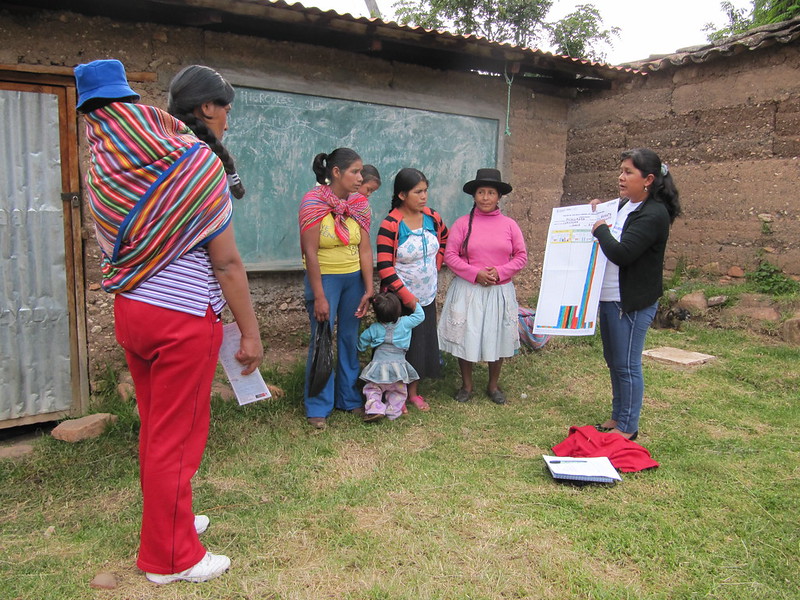
In Lima, the Peruvian government, along with local NGOs like Cooperar Peru, has initiated aquaponics projects to enhance food security in urban slums. INMED Andes has also set up an aquaponics system in the indigenous community of Yarinacocha to provide a consistent food supply for the local school students and surrounding households. These initiatives have proven successful, offering a reliable source of nutrition, generating employment opportunities and safeguarding often overlooked Indigenous communities. These projects have had a significant positive impact on the community’s health and economy, revealing the potential of aquaponics as a sustainable solution to urban poverty.
Government and Private Sector
Government policies are crucial in promoting aquaponics. In Brazil, for example, government grants and subsidies, such as the Inovagro program, have helped establish aquaponics systems in urban slums. Private sector investment in aquaponics projects has also contributed to their success by providing capital and expertise. While aquaponics systems are cheaper and easier to maintain, they do require a high initial capital investment.
Various programs and initiatives in South America, such as the “Huertos Urbanos” program in Peru, aim to establish urban gardens using aquaponics in slum areas. These programs have facilitated collaboration between different stakeholders, ensuring the sustainability and scalability of aquaponics projects.
Looking Ahead
Aquaponics provides an effective strategy to combat poverty and improve food security in urban slums across South America. Its benefits include sustainable food production, water conservation and economic opportunities. Successful initiatives in Brazil and Peru demonstrate its positive impact on local populations. With continuous support, aquaponics has the potential to significantly reduce poverty, boost nutrition and empower communities in urban slums, making it an essential part of a more sustainable South America.
– Danica Lourdu Nelson
Danica is based in Parker, CO, USA and focuses on Business and New Markets, Technology and Solutions for The Borgen Project.
Photo: Flickr
 More than a