• Link to X
  • Link to Facebook
  • Link to Instagram
  • Link to TikTok
  • Link to Youtube
  • About
    • About Us
      • President
      • Board of Directors
      • Board of Advisors
      • Financials
      • Our Methodology
      • Success Tracker
      • Contact
  • Act Now
    • 30 Ways to Help
      • Email Congress
      • Call Congress
      • Volunteer
      • Courses & Certificates
      • Be a Donor
    • Internships
      • In-Office Internships
      • Remote Internships
    • Legislation
      • Politics 101
  • The Blog
  • The Podcast
  • Magazine
  • Donate
  • Click to open the search input field Click to open the search input field Search
  • Menu Menu

Tag Archive for: Poverty in Chile

Posts

Gender Equality, Global Poverty, Women's Empowerment

Women’s Workforce Participation in Chile

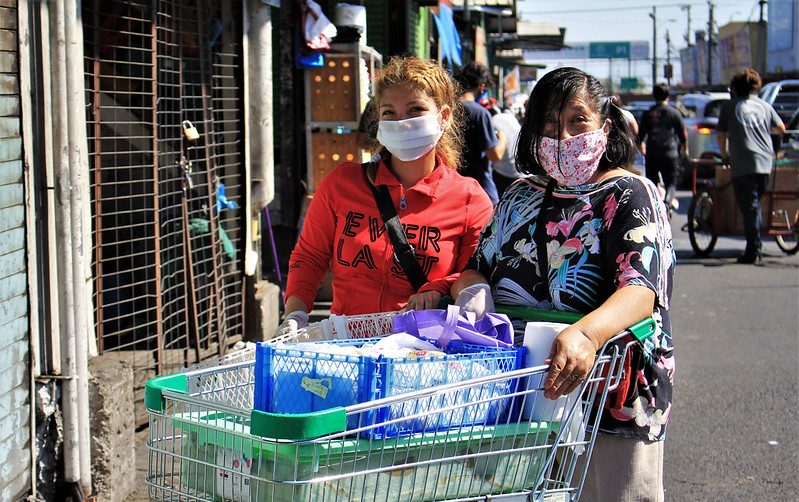
Women's Workforce Participation in Chile In Chile, poverty among women is notably high relative to surrounding countries. In 2006, roughly 19% of the female Chilean population— more than one million women—lived in poverty. By 2016, aid efforts and governmental initiatives lifted 400,000 women out of poverty; and in 2019, a wave of women’s rights protests spurred the government to enact a law protecting women from gender-based violence. While a smaller percentage of the overall population currently suffers from poverty, women experience its devastating effects in greater numbers than men. In addition, legal and social barriers still hinder women from participating in the workforce and securing economic autonomy. Workforce participation in Chile reflects these ongoing challenges, with women facing significant disparities in opportunities and conditions compared to men.

Workforce Participation

In 2002, 74% of men and only 37% of women participated in the workforce. By 2023, statistics reveal that approximately 50% of women in Chile are working, either part-time or full-time. Although these numbers are encouraging, women’s workforce participation in Chile remains among the lowest in Latin America. Women in the workforce often face unequal opportunities compared to men. They are more likely to hold part-time positions, rarely occupy high-level leadership roles and typically earn less than their male colleagues. The World Bank notes that Chilean law does not require equal pay for work of equal value nor does it prohibit gender discrimination in accessing credit, which puts women at risk for financial insecurity.

Care Labor and Conjugal Society

The low rate of women’s workforce participation in Chile is largely due to the prevalence of a traditional household structure. In the majority of Chilean households, the husband earns wages and the wife takes care of domestic tasks. Women are expected to perform unpaid care labor: caring for children and elderly parents and cleaning and cooking for their families. Because they are burdened with the tasks of a domestic caretaker, women inevitably have little time to earn money — if they participate in the workforce at all, part-time positions are the only feasible option. 

The default legal marital arrangement in Chile declares men as the head of the household and prevents women from making financial decisions without the permission of their husbands. According to The United States (U.S.) Department, in Chile “a husband has the right to administer joint property, including his wife’s property, without consultation or written permission from his wife, but a wife must demonstrate that her husband has granted his permission before she is permitted to make financial arrangements.” Consequently, women have almost no financial autonomy within their marriage, which puts them at risk for financial insecurity, particularly in the event of divorce or if their husbands refuse to allocate money toward women’s needs. 

Women’s Rights Movement

In 2019, a wave of feminist protests spread throughout Chile, acting as a catalyst for change. Protestors called on the Chilean government to act on issues like income disparity, gender-based violence and the persistence of traditional gender roles.  A 2023 survey revealed that 74% of the Chilean population recognized that women face inequality and discrimination. This percentage is higher than the global average, which suggests that the movement successfully raised awareness and focused national attention on women’s rights. 

In response to the growing movement, the Chilean government passed the Comprehensive Violence Against Women Act in March of 2024. Historically, gender-based violence has caused women to quit their jobs or drop out of higher education. According to the World Bank, “the procedure established by [Chilean] law to investigate and punish [sexual assault] can oftentimes lack transparency and result in humiliation for victims, proving that it is virtually ineffective.” The 2024 Violence Against Women Act marks a hopeful turn toward more legal rights, less restrictive gender roles and greater society-wide respect for women. 

Mujeres Emplea

Mujeres Emplea, an online platform created in collaboration with several global NGOs, including United Nations (U.N.) Women is a promising new initiative that provides excellent resources to Chilean women. The platform offers digital skills training, matches female candidates with employers and provides information about available childcare. A participant reflected, “In this world, more women are needed to join the workforce and these trainings are needed for our wellbeing, for our lives, for our families.” This platform provides invaluable resources, encourages women’s workforce participation in Chile and supports women in becoming economically autonomous. 

Global Alliance for Care

The Chilean government is also a member of the Global Alliance for Care, which is the first global community that facilitates and fosters spaces for dialogue, analysis, exchange of experiences and learning about care, its recognition as a need, as work and as a right. The organization considers its mission central to accelerate the pace toward achieving women’s economic autonomy. Participation in this alliance raises awareness of the importance of women’s contributions to society and helps to emphasize the urgent need to reduce gender inequality.

Looking Ahead

Despite significant strides in reducing poverty among women in Chile, challenges in achieving gender equality persist. Legislative advancements, such as the 2024 Comprehensive Violence Against Women Act and initiatives like Mujeres Emplea, underscore ongoing efforts to improve women’s economic participation and autonomy. Chile’s involvement in the Global Alliance for Care highlights the commitment to recognizing and valuing women’s contributions. Continued focus on these ongoing issues could foster greater gender equality and enhance the economic prospects of women across the country.

– Maren Fossum-Wernick

Maren is based in St. Paul, MN, USA and focuses on Global Health and Politics for The Borgen Project.

Photo: Flickr

June 24, 2024
https://borgenproject.org/wp-content/uploads/borgen-project-logo.svg 0 0 Precious Sheidu https://borgenproject.org/wp-content/uploads/borgen-project-logo.svg Precious Sheidu2024-06-24 01:30:582024-06-23 13:14:49Women’s Workforce Participation in Chile
Global Health, Global Poverty

The Atacama Desert Clothing Dump: A Global Fashion Crisis

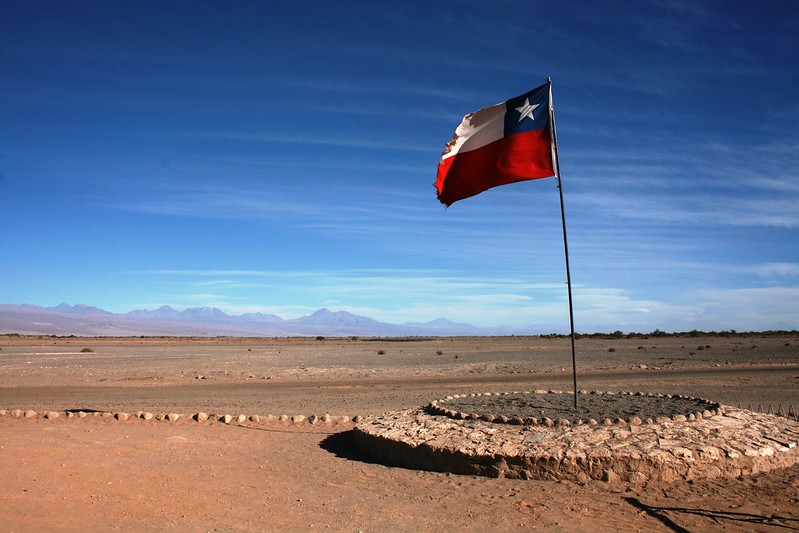
Atacama DesertThe fashion and global health crisis in Chile’s Atacama Desert highlights critical health and environmental issues directly impacting local lives. The Atacama clothing dump, a stark manifestation of Chile’s intricate relationship with fashion, accumulates massive quantities of secondhand clothing discarded by wealthier nations. This issue arises from the extensive importation of these garments, presenting significant concerns for the region.

In 2021, Chile imported approximately 126,000 million tons of secondhand and unsold clothing from China, the United States (U.S.) and the Republic of Korea. From 2000 to 2004, clothing production doubled and three-fifths of this clothing was estimated to end up in landfills. These imports often consist of fast fashion items, known for their low quality and quick obsolescence. Despite efforts to resell the items locally or in other South American markets, much remains unsold and contributes to the massive clothing dump in the desert. This practice has resulted in environmental and public health issues increasingly becoming a global concern.

Environmental Contamination from Fashion Waste

The chemical composition of discarded garments is a primary issue. Synthetic fabrics and chemical dyes found in fast fashion items do not decompose easily and often leach hazardous chemicals into the environment. Over time, this can result in significant soil and water pollution. Given the arid nature of the Atacama Desert, contamination of limited groundwater resources can disproportionately impact local ecosystems and nearby communities, as access to clean water is crucial in such an environment. Furthermore, the gradual breakdown of these synthetic fibers releases microplastics into the ecosystem. Wildlife ingests these microscopic particles, which can travel through the food chain, potentially reaching human populations and causing health issues such as gastrointestinal and reproductive problems. While the long-term impacts of microplastic ingestion are still under study, initial research suggests they may contribute to various health complications.

Impact on Air Quality and Community Health

Burning unsold or damaged textiles, a common practice for disposing of fashion waste significantly deteriorates air quality by releasing toxic fumes and particulate matter. These airborne pollutants potentially contribute to respiratory illness and exacerbate respiratory conditions, such as asthma, especially in vulnerable populations including children and the elderly. Furthermore, the extensive clothing dumps negatively impact the aesthetic and ecological integrity of landscapes like the Atacama Desert, which in turn harms the mental and social well-being of the local communities. The visual degradation of their environment, coupled with the economic and health challenges posed by fashion waste, contributes to increased stress and mental health issues, highlighting the multifaceted impact of global fashion practices on local populations.

Ecocitex

Ecocitex, a Chilean company, tackles the significant issue of fashion waste with innovative recycling methods. The company collects textile waste from various sources, including donations and discarded garments, sorting them to separate usable fabrics from non-recyclable materials. Usable textiles are then shredded and spun into new yarn without the need for dyeing, which significantly reduces water and chemical usage. This recycled yarn is used to create new textile products such as clothing, accessories and home goods.

Ecocitex’s success in Chile and the Atacama Desert demonstrates the potential of sustainable practices to address major environmental and global health issues. By promoting innovative recycling processes, Ecocitex encourages worldwide efforts to tackle fashion waste, raising awareness and showcasing effective recycling practices that could lead to a healthier planet and improved quality of life globally.

Looking Ahead

Addressing the fashion industry’s impact in Chile’s Atacama Desert necessitates sustainable practices and stronger international waste management regulations. Initiatives aimed at reducing the import of low-quality fast fashion and enhancing the recycling of textiles could significantly mitigate the impact on local communities and ecosystems. This shift not only promises to safeguard Chile’s fragile ecosystems but also sets a precedent for handling global textile waste more responsibly.

– Maya DaSilva

Maya is based in Seattle, WA, USA and focuses on Global Health for The Borgen Project.

Photo: Flickr

June 4, 2024
https://borgenproject.org/wp-content/uploads/borgen-project-logo.svg 0 0 Precious Sheidu https://borgenproject.org/wp-content/uploads/borgen-project-logo.svg Precious Sheidu2024-06-04 01:30:202024-06-03 13:23:30The Atacama Desert Clothing Dump: A Global Fashion Crisis
Page 2 of 212

Get Smarter

  • Global Poverty 101
  • Global Poverty… The Good News
  • Global Poverty & U.S. Jobs
  • Global Poverty and National Security
  • Innovative Solutions to Poverty
  • Global Poverty & Aid FAQ’s
Search Search

Take Action

  • Call Congress
  • Email Congress
  • Donate
  • 30 Ways to Help
  • Volunteer Ops
  • Internships
  • Courses & Certificates
  • The Podcast
Borgen Project

“The Borgen Project is an incredible nonprofit organization that is addressing poverty and hunger and working towards ending them.”

-The Huffington Post

Inside The Borgen Project

  • Contact
  • About
  • Financials
  • President
  • Board of Directors
  • Board of Advisors

International Links

  • UK Email Parliament
  • UK Donate
  • Canada Email Parliament

Get Smarter

  • Global Poverty 101
  • Global Poverty… The Good News
  • Global Poverty & U.S. Jobs
  • Global Poverty and National Security
  • Innovative Solutions to Poverty
  • Global Poverty & Aid FAQ’s

Ways to Help

  • Call Congress
  • Email Congress
  • Donate
  • 30 Ways to Help
  • Volunteer Ops
  • Internships
  • Courses & Certificates
  • The Podcast
Scroll to top Scroll to top Scroll to top