Tackling Iron Deficiency in Developing Countries
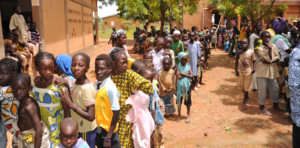 Iron deficiency — which often leads to iron deficiency anemia — is estimated to affect around 2 billion people around the world. Iron deficiency is most prevalent among children and women of childbearing age, especially those living in developing countries. In light of growing iron deficiency cases in many African countries, policymakers are focusing on iron interventions such as the creation of fortified flours and supplements for menstruating women and expectant mothers.
Challenges
There continues to be skepticism and disbelief about iron-deficiency in some low-income countries. In fact, many government officials and individuals do not recognize the correlation between fatigue or low-productivity and low iron intake. And, as such iron deficiency is regarded as a hidden disease. This further impacts the availability of accurate, reliable and comparable data on iron deficiency in some of the most at-risk parts of the world.
Causes of Iron Deficiency in Developing Countries
The factors that cause iron deficiency include disease, food insecurity and blood loss. In developing countries, iron deficiency is compounded by infectious diseases like malaria, HIV and hookworm. These diseases must be treated alongside iron deficiency in order to avoid long-lasting consequences. Moreover, malnutrition is one of the leading causes of iron deficiency in developing countries. The lack of proper food security and iron-fortified foods creates a widespread issue of iron deficiency.
Tackling Iron Deficiency in Developing Countries
The fortification of foods, such as flour with iron, provides a way to easily add iron to the diet of the average person. Organizations such as the World Health Organization (WHO) and the Food and Agriculture Organization (FAO) help to implement food fortification programs in developing countries. These programs either provide the nutrients needed for food fortification or identify local resources that contain the necessary nutrients to fortify food, known as food-to-food fortification. An example of food-to-food fortification is fortifying ogi, a cereal-based dough made in Nigeria, with iron-rich baobab fruit powder.
Using natural iron substitutes to add to foods at home is another way to mitigate the issue. Lucky Iron Fish Enterprises created an iron shaped fish that reduces iron deficiency in low-income communities. When boiled in soup or water, the Lucky Iron Fish gives the individual around 40 percent of the daily amount of iron recommended per day. The company served about 54,000 people around the world in 2018 with its various programs. One notable service available is the “Buy-one-Give-one” project. Customers can buy a Lucky Iron Fish for themselves, and the company will match the purchase by giving a Lucky Iron Fish to an individual in a vulnerable partner community.
In an attempt to help combat iron deficiency in babies, researchers recommend delayed umbilical cord clamping by about 5 minutes to increase the number of red blood cells going into the baby. In a 2017 Nepal study, researchers analyzed the results of 540 babies who were randomly selected to have either delayed cord clamping or clamping within a minute of delivery. Infants with delayed clamping were 11 percent less likely to have anemia and 42 percent less likely to experience iron deficiency than babies whose cords were cut within a minute of delivery.
Overall, the best way to tackle iron deficiency is to create awareness about the issue. Additionally, helping people make healthy diet choices that provide the necessary amount of nutrients, such as fortified flour, will help with the issue.
– Ashleigh Litcofsky
Photo: Flickr
