Solar-Powered Ice Plants in the Philippines Protect Fishing Livelihoods
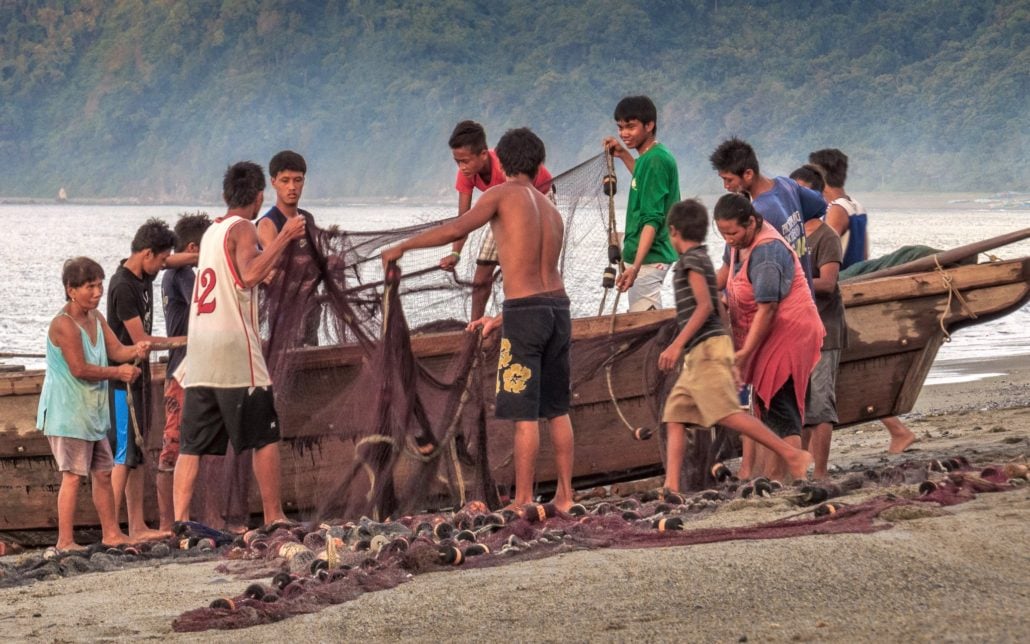
Fish must be properly chilled and frozen after being caught because they are highly perishable. Yet limited access to ice, refrigeration and other post-harvest facilities can make preservation difficult in isolated coastal communities in the Philippines. An Oceana assessment estimated post-harvest losses of 40.34% in municipalities around Samar Bays and Channels and 38.39% along the San Bernardino Strait. These figures reflect the locations assessed by Oceana rather than the Philippines as a whole. Solar-powered ice plants in the Philippines offer one potential way to protect catch value as changing weather patterns place additional pressure on fishing livelihoods.
Changing Weather and the Vulnerability of Fishing Livelihoods
Changing weather is adding pressure to Philippine fishing livelihoods by affecting fish distribution, marine ecosystems and exposure to storms and other hazards. A study of 220 small-scale fishers in Davao Gulf found that changing weather patterns and rising temperatures contributed to vulnerability, alongside lower catches and the need to travel farther offshore. For households that rely heavily on fishing, these pressures can make an uncertain source of income more vulnerable.
The Hidden Cost of Keeping Fish Cold
For households that depend on fishing, keeping a catch fresh can directly affect how much money a day’s work generates. Fish can lose quality and market value without adequate preservation. A JICA study of Philippine fisheries found that deterioration during transportation could make fish less competitive in the market, while research continues to identify post-harvest losses as a challenge. The cost of ice can add another burden. In Basilan, 10-kilogram blocks previously cost fishers ₱200 to ₱240 from outside suppliers, compared with ₱60 from a nearby solar-powered ice plant.
Basilan: Solar Power Brings Ice Closer
In Lantawan, Basilan, an off-grid fishing community now has a solar-powered ice plant that produces ice locally. The facility, handed over in February 2026, can produce nearly one tonne of ice blocks a day. Before the plant opened, residents bought ice from nearby towns and reported income losses when fish products spoiled. UNDP reports that access to local ice has helped reduce dependence on ice brought from outside the community and reports that fishers say spoilage-related income losses have fallen. These are early project experiences, not independently measured long-term outcomes. The EU and UNDP co-funded the facility through the Model Lives program, with the Kasalamatan Agri-Fisheries Association managing it. Similar facilities are being developed elsewhere, including a DOST-supported hybrid solar ice plant in remote Palawan.
What the Savings Mean for Fishers
For fisher Pating Punso in Barangay Bukut-Umus, access to local ice changed a basic fishing expense. He previously paid ₱200 for a block of ice from mainland Basilan. He now pays ₱60 for a comparable block from a solar-powered facility about 50 meters from his home. Punso told MindaNews that the local ice is cheaper and lasts longer. Another fisher, Muamar Manisan, described another cost of unreliable ice. When he ran out, fish caught from his payao could spoil, forcing him to dry some squid instead. This reflects the project’s early reported experience rather than a long-term independently measured outcome.
Women Turn a Livelihood Need Into Local Enterprise
Solar-powered ice plants in the Philippines are also creating business opportunities for women. In Lower Binembengan, Sumisip, 26 women have operated the community’s ice-block production facility since March 2026. The EU and UNDP-backed enterprise supplies ice to local fishers while giving the women a role in managing a local business. Available reporting does not quantify the women’s individual earnings, so longer-term effects remain unclear.
Why Small Infrastructure Can Matter
For fishing households, earning from a catch depends on being able to keep it fresh until it reaches the market. When ice is expensive or unavailable, fish can lose quality and value, turning spoilage into a direct financial loss. The Basilan cases show how this infrastructure gap can affect everyday fishing costs and the value of a catch. Solar-powered ice plants in the Philippines offer a way to bring ice production closer to remote fishing communities while using renewable energy. By making preservation more accessible, they can potentially help protect the value of catches in communities already facing climate-related pressures, where limited income options can increase economic vulnerability.
What We Do Not Know Yet
Solar-powered ice plants could offer benefits beyond reducing spoilage and ice costs. In San Agustin, Romblon, an ice plant faced high electricity costs because of its heavy power requirements before receiving a ₱2.186 million solar system with battery storage. At the same time, the technology requires significant upfront investment: a solar-powered ice machine in Pilar, Cebu, cost ₱3.9 million. Continued funding, maintenance and reliable operation will therefore matter to sustaining these benefits.
When Protecting a Catch Means Protecting an Income
A fishing community does not always need a new livelihood to become more financially secure. Sometimes, it needs better ways to protect income from existing livelihoods. Solar-powered ice plants can reduce preventable losses, lower a key cost and create local business opportunities. For communities with few alternatives, strengthening these livelihoods can help people earn closer to home rather than being pushed to seek precarious work elsewhere.
– Zeba Vagh
Zeba is based in Melboure, Victoria, Australia and focuses on Technology and Solutions for The Borgen Project.
Photo: Flickr
