How UNHCR Provides Protection For Displaced People in DRC
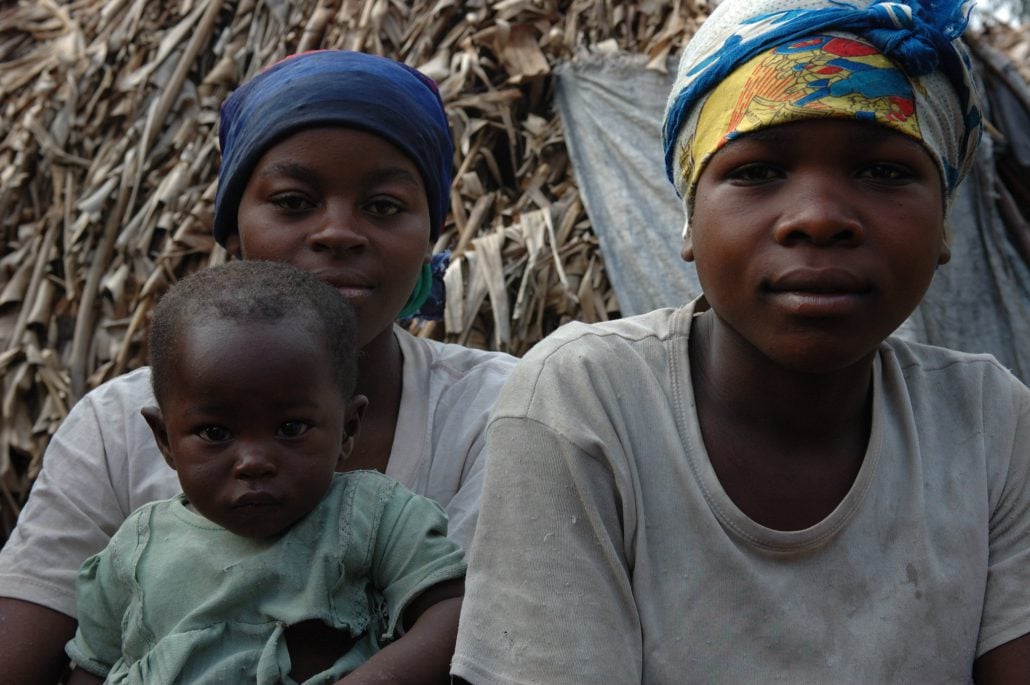
The humanitarian crisis in the Democratic Republic of the Congo (DRC) is one of many ongoing emergencies around the world. According to the United Nations High Commissioner for Refugees (UNHCR), the country has faced political conflict, hunger, violence and poverty since gaining independence in 1960. Nearly 60 million people in the DRC were living in extreme poverty in 2022, according to the World Bank, while conflict continues to disrupt agriculture, markets and trade.
How Protection Works
To help alleviate the crisis, the U.N. Refugee Agency, or UNHCR, provides protection and assistance to people displaced by conflict in the Democratic Republic of the Congo. This includes internally displaced people, refugees and Congolese returnees. As of September 2025, 8.2 million people were displaced in connection with the DRC crisis, according to UNHCR. The number could reach 9 million by the end of 2026, including an estimated 5.8 million internally displaced people. More than 1.2 million Congolese refugees and asylum-seekers are also being hosted in neighboring countries.
According to UNHCR’s 2026 DRC emergency overview, the agency focuses on strengthening legal frameworks and asylum systems while promoting the inclusion of displaced people in national systems. UNHCR also maintains emergency response capacity and works to advance durable solutions, self-reliance and resilience among displaced and host communities.
Regionally, UNHCR leads a refugee response plan with partners in seven neighboring countries — Angola, Burundi, the Republic of the Congo, Rwanda, Tanzania, Uganda and Zambia — to provide protection, assistance and support for long-term solutions for Congolese refugees and host communities.
Assistance For Democratic Republic of the Congo Refugees
UNHCR projects 5.8 million internally displaced people in the DRC by the end of 2026, with displacement heavily concentrated in the eastern provinces. More than 1.2 million Congolese refugees have fled to neighboring countries, primarily Uganda and Burundi, as well as Rwanda, Tanzania, Zambia and other countries. UNHCR and its partners provide protection and assistance to displaced people both inside and outside the DRC.
UNHCR’s protection for displaced people efforts include supporting safe and voluntary returns, relocation and local integration. The agency also works to ensure displaced people have access to basic services, including environmentally friendly and affordable shelter. Its efforts also focus on strengthening access to land, livelihoods and other measures that promote self-reliance.
In 2025, UNHCR planned protection and assistance programs for millions of displaced people across the DRC and neighboring countries, including more than 273,000 children and caregivers targeted for child protection services.
Assistance From Neighboring Countries
Through its operations in Angola, the U.N. Refugee Agency, or UNHCR, supports refugees and asylum-seekers, most of whom are from the Democratic Republic of the Congo. As of April 2026, Angola hosted 55,628 people of concern to UNHCR, including 22,786 from the DRC, according to UNHCR. The agency works with the Angolan government to provide access to territory and asylum, registration, documentation and refugee status determination for people seeking international protection.
UNHCR also provides humanitarian assistance to displaced populations and host communities, helping meet basic needs and improve access to essential services and livelihood opportunities. The agency advocates for the inclusion of refugees in national development plans and other government programs.
UNHCR has maintained a presence in Angola for more than 40 years, with a field office in Dundo since 2017. The Mozambique multi-country office coordinates its operations in Angola.
Burundi hosts more than 100,000 forcibly displaced people, including about 91,000 refugees and asylum-seekers, most of whom are from the Democratic Republic of the Congo, according to UNHCR. About 63% of Burundi’s population lived on less than $2.15 a day in 2024, according to the World Bank. As part of its response to the DRC emergency, Burundi maintained an open-door policy in 2024 and welcomed nearly 4,000 new asylum-seekers.
In addition to refugees, Burundi hosts returnees who face significant economic challenges. UNHCR works with the World Bank and other development partners to support the inclusion and reintegration of returnees and refugees. The World Bank’s Merankabandi national social protection program has reached more than 1.5 million people with cash transfers, startup capital and other support aimed at reducing poverty and improving livelihoods. The program also helps communities respond to food insecurity and climate-related shocks.
Strategy Outcomes and Impacts
According to UNHCR’s 2026 planning documents, the agency is working to strengthen protection for displaced people who experienced the crisis in the Democratic Republic of the Congo. Its efforts include improving access to essential services, strengthening national and community systems, and supporting the inclusion of refugees, internally displaced people and returnees in local and national programs. UNHCR also aims to improve living conditions for vulnerable people through shelter assistance and other essential relief items.
These efforts are part of UNHCR’s broader goal of helping displaced people meet their basic needs while building resilience, self-reliance and stronger connections with host communities. The agency’s 2022-2026 strategy also calls for greater social cohesion between displaced and host communities and improved access to durable solutions, including safe and sustainable returns and stronger land and tenure rights for internally displaced people and returnees.
The Future Of UNHCR’s Protection
According to UNHCR’s 2022-2026 strategy for the Democratic Republic of the Congo, the agency aims to expand opportunities for refugees in need of resettlement by 2026. The strategy also seeks to strengthen tenure and land rights for internally displaced people and returnees, helping them access secure housing and land as they rebuild their lives.
For refugees and internally displaced people, UNHCR aims to provide information and support for safe, dignified and sustainable returns. These efforts are part of the agency’s broader goal of advancing durable solutions for refugees, internally displaced people and returnees affected by the DRC crisis.
– Casey Chan-Smutko
Casey is based in Natick, MA, USA and focuses on Good News and Politics for The Borgen Project.
Photo: Flickr
