5 Ways to Help End Slave Labor in Libya
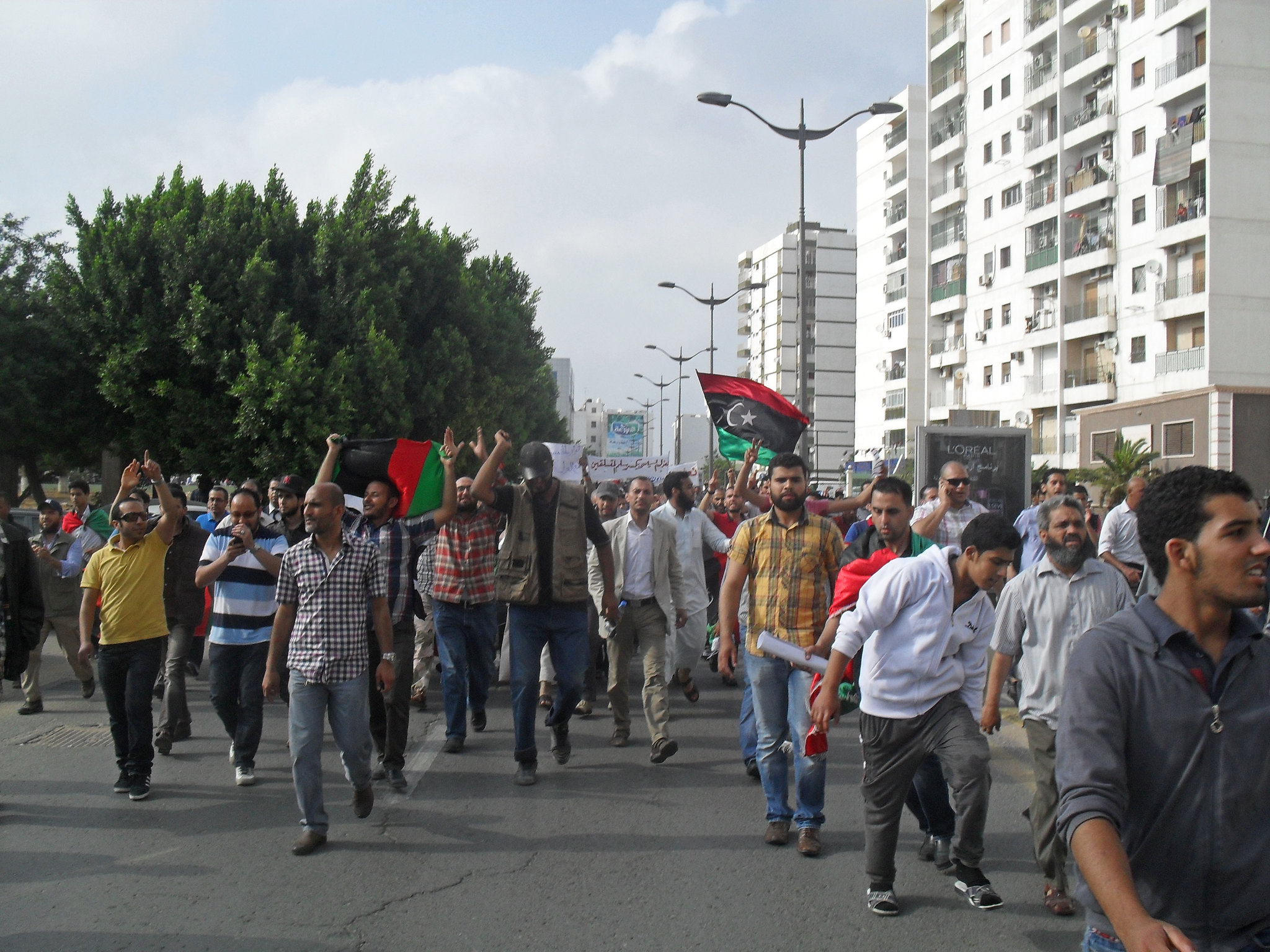 In the midst of the Black Lives Matter movement, an outbreak of news coverage uncovered the mass institutionalized racism within the United States. However, it is important to also bring to light the racist acts in other countries, such as slave labor in Libya, that still continue the prejudice against black communities today.
The migration of more than 150,000 migrants from Libya to Europe motivated the government to allocate funding towards the Libyan Coast Guard. As a result, Libya accumulated at least 400,000 refugees in detention centers, concentration camps and slave auctions. Currently, there are three times the amount of people in these modern slavery systems in comparison to the transatlantic trade in the 1600s. Here are five ways to help end slave labor in Libya.
5 Ways to Help End Slave Labor in Libya
- Social Media: As social media is becoming more popular by the minute, try raising awareness about the mistreatment of migrants in Libya through social media. It is crucial, especially with the sentiment of the Black Lives Matter Movement, to provide resources to the community on how to help during this crisis.
- Email or Call U.S. Congressional and International Leaders: Support from the United States is instrumental in providing foreign aid to refugees in Libya. For example, calling attention to certain legislation, such as the International Affairs Budget or the Global Health Security Act, could ensure safety and enrichment for countries at risk. It is also important to grasp the attention of the most vocal leaders across the globe. One could also contact different U.N. ambassadors about taking priority in this cause and mobilizing efforts to solve this global issue.
- Boycott Slave Labor in Large Industries: Living in a primarily capitalistic economy, many do not realize how slavery persists through global businesses and industries. Popular brands, such as Nestle and H&M, have used slave labor previously in support of mass production. With over 850,000 textile workers since 2018, H&M does not provide its laborers up to minimum wage. In fact, many of the large industries outside of H&M have their laborers work up to 11 hours a day for six days a week. However, there are simple measures that one can take daily to boycott slave labor. For example, one could support smaller black-owned businesses, such as Aaks, to foster an antislavery sentiment within the community. Other examples of black-owned businesses that follow ethical guidelines are Moda Operandi and Aliya Wanek.
- Support Antislavery Movements: Many organizations, such as the International Organization for Migration (IOM), protect victims from human trafficking and support safe departures for refugees. Adding on, smaller projects, such as the Polaris Project, have geared themselves towards ending global enslavement. The Polaris Project takes significant value in its name. It translates to the “North Star” which slaves used as a navigation tool for their freedom. To be more specific, the Polaris Project has run a national human trafficking hotline that has served as a model in many other countries. Having more than 4,000 service providers in the U.S. alone, the Polaris Project has helped survivors and victims who have experienced human trafficking. In addition, it has researched and formed databases, such as the Global Modern Slavery Directory, to connect various countries in ending the slave trade. As of now, more than 2,900 organizations have the database to end human trafficking and slave trading internationally.
- Restorative Justice Within Libya: Libya does not criminalize labor trafficking, which allows slave labor to endure. This is largely due to weak law enforcement and the judicial institution in Libya. For example, labor trafficking is not a criminal law, which allows for slave labor to persist. To take part in restorative action, it is necessary to assemble support to provide legal reform in overlooked matters, such as labor trafficking, within Libya. Some organizations that are combating this issue are the Ministry of Interior (MOI) and the Directorate For Combating Illegal Migration (DCIM).
Although the slave trade remains to be an integral problem in Libya, some are making various strides in the fight against slave labor and labor trafficking. For example, the United Nations made it an official goal to end slavery by 2030. In addition, the United Nations Human Rights Council is providing more funding towards antislavery actions as well as providing health care to migrants and refugees. With this support, Libya is taking action in making internal improvements, such as collaborating with IOM on imperative initiatives such as the better treatment of migrants. With numerous efforts together, there is more solvency not just in Libya, but in the widespread systemic oppression that many face today.
– Aishwarya Thiyagarajan
Photo: Flickr
