Wind Farms for Sustainable Energy – Updates on SDG 7 in Egypt
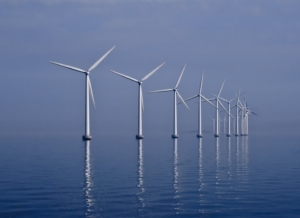 On July 1, 2025, ENGIE, a global energy company located in France, announced the full operation of Egypt’s Red Sea Wind Energy project. This 650 MW wind farm is considered the largest one in the Middle East and North Africa region. The project is located along the Red Sea in the Ras Ghareb district.
The first operational phase of the project started in December 2024 and the last phase was in June 2025. The project reduces the emission of CO2 by approximately 1.3 million tons per year. Additionally, it supplies more than 1 million homes with electricity generated from wind power.
Significance of the Project
For a long time, Egypt’s exports were dominated by chemicals, petroleum products, cotton and textiles. With the evolution of the global energy landscape, Egypt works to strengthen its renewable energy potential. The current administration’s goal is to make Egypt a leader in clean energy export, reduce reliance on fossil fuels and meet domestic demands. To achieve these goals, internal challenges should be addressed, including underdeveloped renewable energy infrastructure and the reliance on natural gas for electricity production.
In 2024, the North African region suffered from an electricity shortage due to the increase in cooling demand during summer. Egypt’s Prime Minister Mostafa Madbouly referred to the fact that natural gas supplies have shrunk as power demand increased, highlighting that the daily power consumption increased 12% from the previous year. However, in summer 2025, Madbouly confirmed that there would be no electricity cuts, affirming the country’s preparedness for any increase in electricity.
SDG 7: Ensuring Affordable Energy for All
In 2015, the United Nations (U.N.) adopted the 2030 Agenda for Sustainable Development, which includes 17 goals. Among them is Sustainable Development Goal 7 (SDG 7), which refers to the fact that modern and sustainable energy should be affordable for all by 2030. Indeed, the wind energy project is a significant step in achieving SDG 7 and reducing the reliance on natural gas in Egypt.
The Role of Partnership and Foreign Aid
The Red Sea Wind Farm project was implemented by a group of development companies, known as the Red Sea Wind Energy consortium. This consortium is 35% owned by ENGIE, 25% by Orascom Construction PLC, 20% by Toyota Tsusho Corporation and 20% by Eurus Energy Holdings Corporation.
It was financially supported by the Japan Bank for International Cooperation (JBIC) in coordination with Sumitomo Mitsui Banking Corporation, the Norinchukin Bank, Société Générale and the European Bank for Reconstruction and Development (EBRD).
Final Remarks
This achievement demonstrates the significance of partnership and foreign aid in implementing such projects. Investing in such renewable energy projects is critical to achieving SDG 7 in Egypt. Overall, Egypt’s Red Sea Wind Energy project is a significant milestone. However, there is still an urgent need for more renewable energy projects to ensure sustainable and affordable energy for all.
– Eiman Elsawy
Eiman is based in Kirkland, WA, USA and focuses on Business and Politics for The Borgen Project.
Photo: Wikimedia Commons
