Greening the Desert: Updates on SDG 2 in Egypt
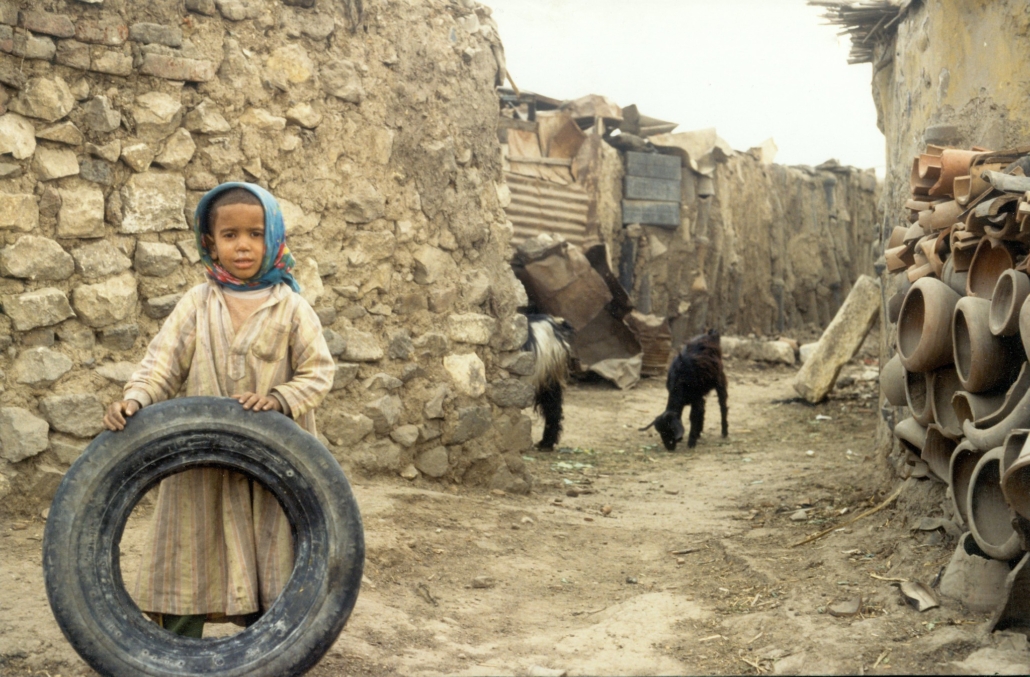 In 2015, the United Nations adopted the 2030 Agenda for Sustainable Development, which includes 17 goals. Among them is SDG 2, which aims to create a world free of hunger by 2030. Nations around the globe have already started to take steps towards achieving SDG 2 and Egypt is among them. Here are some updates on SDG 2 in Egypt.
Updates on SDG 2 in Egypt
One of the significant projects that aligns with the UN’s SDG 2 is the Egypt’s Future project, which promotes sustainable agriculture, which President Abd El-Fatah El-Sisi inaugurated on May 21, 2022. This project is a vital step towards achieving SDG 2 in Egypt. According to 2022 Global Hunger Index, Egypt ranks 57 out of 121 countries, which means it is at a moderate level. However, its dependence on global markets in more than half of its staples makes food affordability and quality very challenging.
Project Overview
Egypt’s Future project is the first phase of the New Delta Project, a mega project in the Western Desert of the Nile, which aims to achieve self-sufficiency. The project focuses on providing citizens with high-quality products at affordable prices, boosting exports and reducing imports. It costs 8 billion EGP and targets the reclamation of 1,050,000 feddans of the total 2.2 million feddans that the New Delta project covered.
The project land depends on treated wastewater and three groundwater reservoirs. The implementation process includes paving roads, digging wells, building two power stations and an internal electricity network. Additionally, the project provides lots of job opportunities and improves the economy. Here is a brief list of the project’s major accomplishments. The project:
- reclaimed and cultivated 350,000 feddans during the period 2021 to 2022.
- built 2,600 pivot irrigation systems across the 350,000 feddans.
- cultivated 70,000 feddans during the period 2024-2025.
- implemented 1,800 Spanish greenhouses covering an area of 16,000 feddans.
- built two electric power stations and an internal electricity network.
- completed phase 1 of an industrial city on May 21, 2025. The city includes grain storage silos, cooling and packaging stations, dehydrated product factories and an animal feed factory.
The Impact of the Project on Citizens
According to the State Information System, the project provides nearly 10,000 direct job opportunities and 360,000 indirect ones. Despite the huge progress made in this project, the country is still encountering food insecurity issues. According to a study published in 2024, Egypt’s food insecurity level remains unaltered as the country encounters major threats, including severe changing weather patterns, poor quality agricultural land and rising global food prices. According to Trading Economics, in June 2025, food prices increased 6.90%, compared to the same month in the previous year.
Enhancing Collaboration and Future Recommendations
International collaboration is crucial to strengthening the impact and longevity of the project. In 2022, Egypt built the MisrSat -2 satellite, using China’s $92 million grant. This satellite supports Egypt’s objective for sustainable development by employing space technology in different areas, including agriculture, searching for mineral resources and exploring of surface water sources.
In 2023, with cooperation with the World Bank, the Food and Agriculture Organization (FAO) conducted a study that shows several climate-smart policy actions at COP28. Similar partnerships could enhance the agricultural land quality under Egypt’s Future project.
– Eiman Elsawy
Eiman is based in Kirkland, WA, USA and focuses on Business and Politics for The Borgen Project.
Photo: Flickr
