Rural Poverty in Armenia
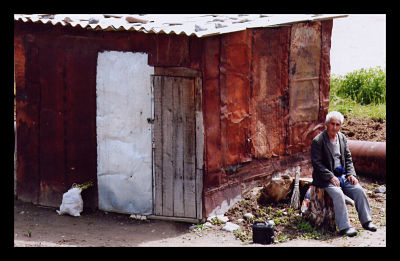
When the Soviet Union collapsed in 1991, Armenia descended into poverty. Industries that were previously operated by the Soviet state, including agriculture, were discontinued, creating massive unemployment in this region of the Southern Caucasus. Today, nearly 50% of the population lives below the poverty line. Many of those affected by poverty either reside in rural areas along the nation’s borders or in isolated mountain villages.
In a 2012 article written for the Guardian, reporter Sigrid Rausing portrays a bleak portrait of Armenia. Rausing describes a polluted mountain landscape devastated by the fall of the communist regime. She says, “Every village we drove through was half abandoned – the falling-down houses haphazardly mended with metal sheets or planks of wood. Whole families move if they can, otherwise, women and children remain while the men join the migrant labor force in Russia, sending meagre remittances home.”
Over 30% of households in Armenia are headed by single women whose partners have traveled to other countries for work. The end of collectivized agriculture destroyed efficient food production because Armenian farmers were ill-equipped and undereducated in the business of farming. In addition to this, the rocky Armenian soil was a thorn in the side of former Soviet agricultural laborers who were not used to dealing with such challenges without the help of Soviet officials. It was this combination of factors that forced agricultural workers into migrant labor, leaving the women of rural Armenia to fend for themselves.
The situation in Armenia requires international attention. Armenia was assisted by several Western powers in the early 1990s when the threat of famine loomed over the fledgling nation, however, development in Armenia could be the chance to improve food production, reduce migration, and lift this struggling country out of poverty permanently.
– Josh Forgét
Source: Rural Poverty Portal,The Guardian
Photo: Care Armenia