How Reusable Diapers Are Fighting Poverty, Waste & Inequality
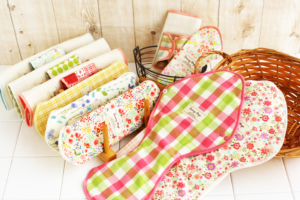 Throughout West Africa, the lack of essential hygiene items, such as sanitary pads and diapers, has significantly impacted the lives of millions. One in 10 girls in Sub-Saharan Africa skips school during their periods; obstetric fistula isolates thousands of women each year and with 300,000 disposable diapers thrown away every minute worldwide, the waste crisis in these regions is poorly equipped to curb such environmental impacts.
The Economic Community of West African States (ECOWAS) aims to transform this landscape by launching three regional factories to produce reusable sanitary diapers and pads. This, in turn, will boost employment in local communities and directly address issues of inequality, poverty and environmental degradation.
The Issue at Hand: A Silent Crisis
Across West Africa, 401.9 million people currently face health and education challenges and 60% of them are young people. Obstetric fistula affects a vast number of women as well, where social exclusion risks coming as a result. Furthermore, the lack of sanitary products in schools contributes to school dropouts among girls and the elderly struggle with a lack of products to help manage urinary leaks.
What ECOWAS is bringing to the table is an opportunity to address these gaps by integrating education, health and socioeconomic issues in a way that promotes human development in the region. It also offers a pathway to tackle the current global waste crisis. “This isn’t just about hygiene-it’s about dignity, economic inclusion and breaking cycles of poverty,” as stated by an ECOWAS commissioner during a signing ceremony.
Governments, together with private entities, can ensure civilians receive safe sanitary products by reinforcing product standards and increasing supply. This approach helps restore both dignity and the market for these products.
ECOWAS Reusable Diaper and Pads Initiative
In 2024, the ECOWAS Commission, through its Gender Development Center (CCDG) initiative, launched this project to establish three factories for producing reusable sanitary pads and diapers. The goal is to meet the needs of teenage girls, fistula survivors and older people, advancing both gender equality and human development.
By initiating this project, ECOWAS objectives centered on decreasing the rates of school dropout, enhancing reproductive health for fistula victims by producing affordable sanitary items and providing them with economic independence by creating jobs.
The management of these factories was entrusted to the States. However, it has a multi-stakeholder Board of Directors, including ECOWAS, partners and ministries, which oversee its training, implementation and advocacy.
Countries in the Spotlight
Within West Africa, several countries have positively responded to this initiative, including Sierra Leone, Togo and Liberia.
- Sierra Leone: With the approval of the Minister of Gender and Children’s Affairs, Dr. Isata Mahoi and in partnership with ECOWAS, a Memorandum of Understanding was signed between the government and ECOWAS to implement the project at both local and national levels. The plan also includes producing underwear for young people, with additional funds allocated for this purpose.
- Liberia: The ECOWAS Commission, with funding of $40,000 from the West African Health Organization (WAHO), launched the reusable sanitary pads project in Liberia. It aims to improve the lives of 10,000 girls in Grand Bassa, Margibi and Montserrado counties. The initiative also includes promoting awareness of sexual and reproductive health among young girls.
- Togo: The project was also launched in this country, with funds directed toward its fistula program and support for both survivors and young girls who struggle to access hygiene products during their periods. To boost production, 100 seamstresses were trained and 5,000 reusable sanitary pad kits were distributed across 12 schools in Togo. This initiative helped establish a sustainable production model that supports employment and women’s empowerment.
The Bigger Impact
Using reusable pads and diapers offers a major environmental advantage, especially since disposable versions are among the biggest global contributors to plastic waste. More than 300,000 diapers are thrown away every minute, ending up in landfills and polluting the environment and oceans. This issue is even more serious given how difficult they are to recycle, often taking years to break down. By promoting a circular diaper and pad industry, this initiative could prevent 38 million tonnes of waste each year.
What ECOWAS proposed and initiated was far beyond just hygiene; it is about dignity, breaking cycles of poverty within West Africa and socioeconomic inclusion.
– Liz Mendes
Liz is based in Vancouver, Canada and focuses on Good News for The Borgen Project.
Photo: Wikimedia Commons
