Renewable Energy in North Korea
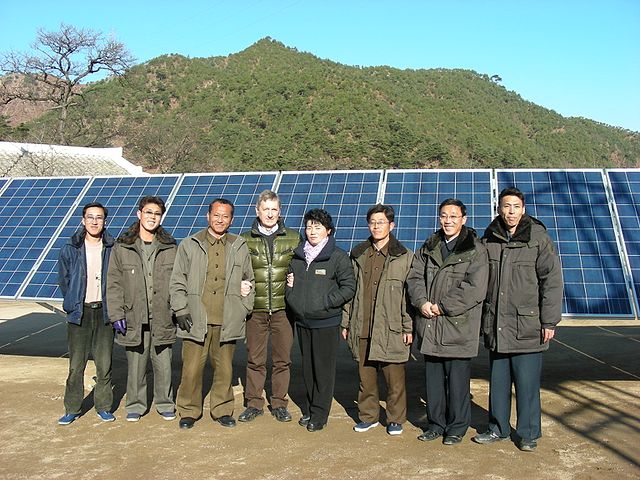 North Korea’s chronic energy crisis is threatening the quality of life of its citizens, especially those living in rural areas, by restricting the quality of and access to essential energy-powered resources. Prioritizing the development of off-grid renewable energy in North Korea, such as solar panels and wind turbines, near under-electrified rural areas will provide a more significant number of North Koreans with access to energy.
About North Korea’s Energy Challenges
North Korea’s energy sector requires a lot of attention. North Korea struggles to meet energy demands as domestic energy production and consumption have been generally declining for years. As of 2020, 48% of the North Korean population did not have access to electricity, and in 2016, only 10.8% had access to clean fuel for cooking. The elites in the capital city Pyongyang consume the majority of energy resources, forcing rural populations to go without.
North Korea relied heavily on the Soviet Union for subsidized oil, and the country’s energy production and consumption rates dipped following the Soviet Union’s dissolution. The absence of these energy subsidies, aging infrastructure and a poor national grid system caused North Korea’s energy sector and economy to fall behind.
North Korea’s lack of energy poses a threat to human security. The country’s unstable electricity rates cause frequent blackouts, depriving residents of lighting and other services. The lack of energy is a threat to public health since hospitals and clinics are dependent on electricity access. Access to clean fuel is necessary for sanitation practices and safe cooking habits. Furthermore, North Korea’s energy shortages threaten its agricultural sector and lower its food supply. Electricity and fuel are necessary to produce fertilizer, power irrigation systems, manufacture machinery and transport crops. Thus, improving its energy supply and providing greater access can significantly benefit the well-being of the average North Korean citizen.
North Korea is focusing on initiating renewable energy sources to address its energy crisis. Research has found that renewable energy consumption positively correlates with energy poverty reduction, which is where people lack access to energy sources.
How Renewable Sources Can Alleviate Energy Poverty
Under Kim Jong Un, investing in renewable energy in North Korea has become a priority. The percentage of total energy consumption from renewable energy increased from around 7% in 1992 to close to 25% in 2015. In addition, North Korea adopted various policy measures such as the Renewable Energy Law in 2013.
As North Korea continues to invest in renewable energy sources, increasing access to energy in rural communities should be of special concern. The majority of North Korea’s population lives in rural areas, which are regions with scarce access to electricity and other energy supplies. A survey that occurred in 2014 found that rural households significantly lacked electricity compared to urban households.
Furthermore, North Korea’s focus on hydroelectric power as a main renewable energy source is not ideal for mitigating energy poverty in rural North Korea. Hydroelectric plants do little to power rural areas; the North Korean government controls the available energy from hydropower and it prioritizes electrifying large military facilities over rural residential communities.
Solar Power and Wind Turbines
Small-scale renewable energy sources such as solar panels and wind turbines are ideal for powering rural residential areas, thus providing more people in North Korea with access to energy. Solar panels and wind turbines are off-grid energy sources, meaning that their generated energy will be able to power nearby rural communities rather than large military and industrial sites.
This will be especially helpful to improve the living standards of North Korea’s rural residents. Additionally, off-grid energy systems are economically favorable, making them ideal investments in the midst of North Korea’s economic lull.
The importation and use of solar panels in North Korea have significantly increased, especially following the 2012 Pyongyang International Trade Fair. In 2015, North Korea began building small scale wind turbines that generate between 100 and 300 watts of power.
Reports claim that the North Korean government is encouraging production plants to erect and make use of wind turbines.
– Ashley Kim
Photo: Wikimedia Commons
