5 Ways Renewable Energy in Nigeria Fights Poverty
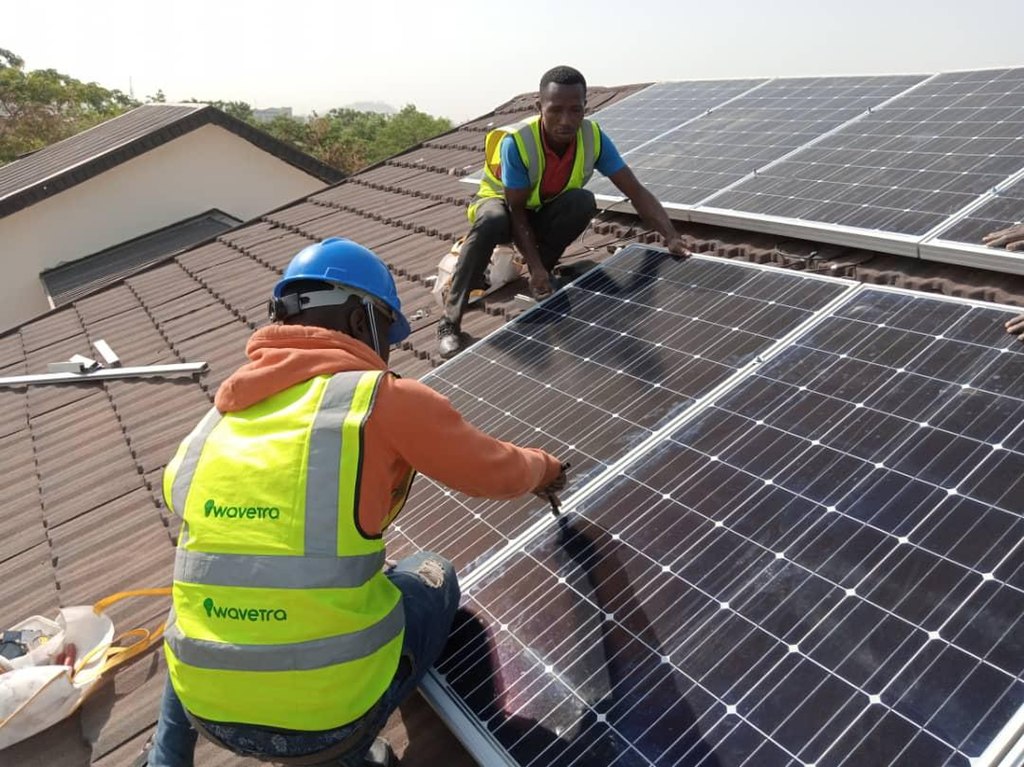
With more than 80 million citizens living without electricity, renewable energy in Nigeria helps fight energy poverty. Demand for electricity rose throughout the COVID-19 pandemic, but the country’s notoriously unreliable energy grid struggled to accommodate the strains of remote work. The Nigerian government’s new Economic Sustainability Plan solves this problem and promises to deliver renewable energy to 25 million Nigerians.
The Nigeria Economic Sustainability Plan (NESP) is Nigeria’s response to the COVID-19 pandemic. The country first passed it in July 2020 and it outlines 12 months of government spending in the 2021 fiscal year. The government created this plan to stimulate the Nigerian economy through strategic investments in sectors that it hopes will bring the most lasting growth. This is why Nigeria, Africa’s largest oil and gas producer, is choosing to invest in renewable energy. Here are five ways this plan helps to reduce poverty in Nigeria.
5 Ways the Economic Sustainability Plan Reduces Poverty in Nigeria
- Powering Businesses and Homes: The World Bank estimates that Nigeria loses $26.2 billion in economic production due to insufficient electrification. Renewable energy in Nigeria has the potential to change that. Off-grid sources in particular, such as solar panels that directly power homes and businesses, circumvent the frequent power outages that plague Nigeria’s energy grid. The Economic Sustainability Plan helps promote off-grid renewable energy in Nigeria by committing $619 million to the installation of new solar panels directly onto homes that do not currently have a connection to the power grid. The government is also providing subsidies for private firms in the solar industry to encourage even more off-grid solar energy. Not only will this plan give new electricity access to millions of Nigerians, but the government hopes more jobs in the renewable energy sector will give citizens permanent paths out of poverty.
- Reducing Dangerous Power Sources: The Economic Sustainability Plan replaces household power sources that endanger Nigerian homes with more efficient renewable solutions. Many who remain disconnected from the energy grid in Nigeria rely on kerosene lanterns for light, which poses toxicity and fire risk to those families. With a plan to install solar in more than 5 million homes, the Economic Sustainability Plan provides safer ways to lift Nigerians out of energy poverty.
- Creating Jobs: Nigeria’s plan creates 250,000 new jobs in the booming energy sector to grow the country’s economy. Not only will renewable energy in Nigeria empower communities that do not have access to the energy grid, but this plan stimulates the domestic manufacturing industry. These jobs have the potential to pull thousands of Nigerians out of poverty.
- Growing International Partnerships: While the Economic Sustainability Plan focuses on improving the lives of Nigerians, the formulation of the plan strengthens Nigeria’s ties to the international community. Approximately 15% of the funding for this plan comes from external sources, primarily from the World Bank. Making use of foreign aid strengthens the ties that the Nigerian economy has with international partners and generates more opportunities for future projects that help battle global poverty. An example of this is the States Fiscal Transparency, Accountability and Sustainability (SFTAS) program that Nigeria signed with the World Bank. This program gave $750 million in credits to Nigerian states in 2018, and now the federal government is encouraging states to negotiate additional funding from the World Bank to supplement the Economic Sustainability Plan in 2021 using the guidelines of the SFTAS.
- COVID-19 Economic Recovery: Due to the country’s dependence on oil and gas exports, the pandemic severely weakened Nigeria’s economy. The Brookings Institute estimates that the oil sector alone accounts for half of all government revenue in Nigeria, but the impact of COVID-19 led to an approximately 30% drop in oil prices. This means that Nigeria’s oil GDP has consistently declined over the past year, leading to significant damage to the Nigerian economy overall. The economic impact of the COVID-19 pandemic requires the Nigerian government to stimulate the economy. Part of the Economic Sustainability Plan targets assistance to renewable energy companies in hopes that the Nigerian economy will become less dependent on oil. Low-interest government loans, equipment financing and revenue-based repayment plans will grow the industry and contribute to the broader Nigerian economy.
Looking Ahead
Renewable energy in Nigeria provides a foundation for economic growth that includes underserved parts of the country. The Economic Sustainability Plan capitalizes on this potential and expands energy access, jobs and economic recovery with the power of renewables. Nigerians who could not benefit from the economic advantages of electricity access due to systematic exclusion from the grid should be able to leave poverty as a result.
– Viola Chow
Photo: Wikipedia Commons
