5 Facts About Renewable Energy in Brazil
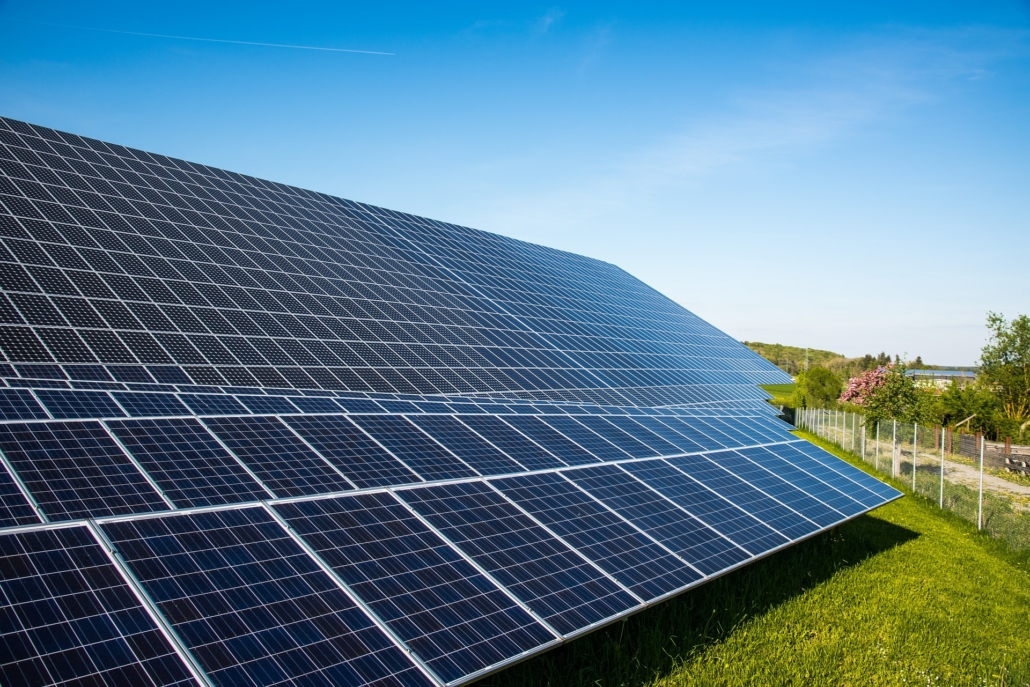 Renewable energy in Brazil is nothing new. For decades, the country has been a leader in producing some of the world’s largest quantities of ethanol, an eco-friendly fuel source for vehicles. Recently, Brazil invested in expanding their renewable energy sources by creating huge wind power plants and high-tech solar panels. This lowered the nation’s carbon emissions as well as creating countless jobs for citizens. With fewer fossil fuels being burned, air pollution becomes minimal, resulting in a healthier, happier way of life. Here are five facts about renewable energy in Brazil.
5 Facts About Renewable Energy in Brazil
- Brazillian winds can create up to 500 gigawatts of energy. Wind power is one of the ways renewable energy in Brazil is thriving. Wind power plants across the country create about 10 percent of all renewable energy used domestically. The production of wind farms is beneficial in more ways than just environmental. The turbines built along the coast create new jobs for the community while keeping city air cleaner than a coal power plant. Because of how large and powerful the turbines are, they boost the local economy while creating an overall better way of life.
- Globally, Brazil is the second-largest producer of hydroelectric power. As of 2018, renewable energy accounts for nearly 80 percent of all domestically produced energy in the nation. This means that after China, Brazil produces more hydroelectric power than any other country in the world. Around 65 percent of renewable energy comes from hydroelectric dams primarily along the Amazon River Basin. During times of drought or long heatwaves, other forms of renewable energy in Brazil supply the country with power. This includes solar panels, wind turbines, geothermal power, ethanol and biomass.
- All gasoline in Brazil contains ethanol. Ethanol is a common vehicle power source for renewable energy in Brazil. The country began creating ethanol in 1975 during the oil crisis. In 1976, Brazil launched the Fiat 147, introducing the world’s first mass-production of a completely ethanol-powered car. Since then, it became a normal fuel option for all drivers. Oxford University describes the nation’s sugarcane-based ethanol as “the most successful fuel alternative to date.” Currently, all gasoline in Brazil is a blend of between 25 to 75 percent ethanol, as required by law since 2007. It is also common for some cars to run on ethanol exclusively.
- Brazil has the world’s first sustainable biofuels economy. Support for renewable energy in Brazil continues to boost the nation’s economy. Hydroelectric power from the Amazon River Basin brings huge energy surges across the country. When drought occurs, the solar panels and wind turbines provide a reliable power source. In 2008, investors all over the globe declared Brazil as the world’s first sustainable economy powered by biofuels. As the Earth’s population grows, so does the demand for electricity. Without a sustainable method of generating electric power, the supply for coal becomes limited. Once thought of as a necessity only during war, coal rations are increasing internationally, leading to power shortages.
- As renewable energy in Brazil becomes more technologically advanced, investors are taking note. This is notable, especially in the wind energy sector. Wind turbines are cheaper and faster to produce than hydroelectric dams. Wind power is also more reliable during heatwaves or seasonal droughts. A U.S. International Trade Administration report shows that by the end of 2020, investment in Brazillian wind power will be just over $24 billion. This huge increase in funding will continue to boost the domestic economy and is expected to set a trend for other world leaders.
Renewable energy in Brazil continues to be an example on the world stage. Through sheer numbers alone, the South American country has proven that investment in sustainable, natural power sources are economically viable and eco-friendly. Almost the entire country is powered by wind, hydroelectric, solar and ethanol sources. This trend is expected to continue as the demand for sustainability grows internationally.
– Asha Swann
Photo: Flickr
