Everything To Know About Remittances to Philippines
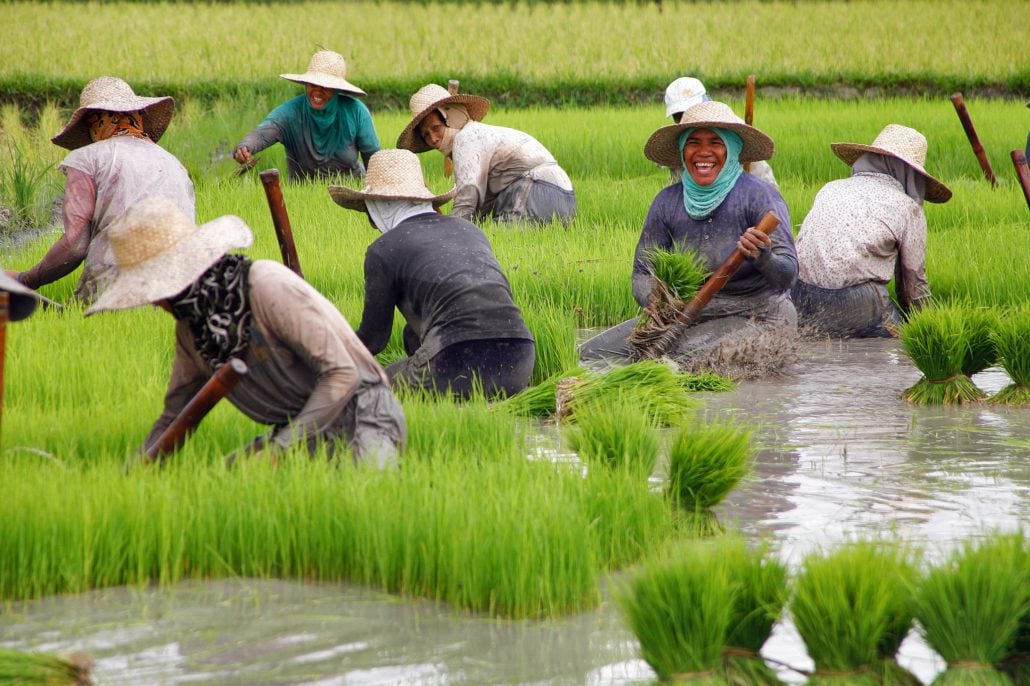 Remittances are an important driver of economic growth in the Philippines. Remittances amounted to $38.34 billion in 2024, accounting for 8.7% of the GDP. Approximately 40% of all remittances to the Philippines came from the United States, followed by Singapore and Saudi Arabia.
Background Information About the Philippines
The Philippines is an island country in Southeast Asia in the Pacific Ocean. The country is the twelfth-most populated country in the world, with a population of more than 117 million.
The Philippines fell under Spanish rule from the mid-16th century to the late-19th century, until it became a U.S. territory. Between 1906 and 1934, an estimated 120,000 Filipinos migrated overseas to Hawaii to work in sugarcane and pineapple plantations. After independence in 1946, many struggled with rural instability and moved overseas to the U.S. Since then, the U.S. has remained the top destination for Filipino migrants.
Despite poverty rates falling from 23.5% in 2015 to 15.5% in 2023, poverty in the Philippines remains high. About 28% of Filipinos remain at risk for falling back into poverty, especially from climate related risks. Additionally, the unemployment rate in the Philippines remains high, which was at 4.8% in May 2026 and is higher than the previous year’s 3.9%.
Migration was initially a way to curb high unemployment and poverty rates; however, it has changed to a long-term solution for national economic development.
The Philippines launched an overseas employment program in the 1970s, which led to many Filipinos pursuing work in the Middle East, Canada, Australia and New Zealand. Remittances from diaspora communities are an intrinsic part of the Philippines’ economy and household income.
Importance of Remittance to the Philippines
- Drives the National Economy – Remittances continue to support the Philippine economy despite global uncertainties. Remittances support consumer spending, stabilize the peso and provide a buffer against shocks.
- Helps Household Consumption Grow – Remittances help household consumption, which grew by 3% in the first quarter of 2026. This allows the Philippines to rely on consumer spending to grow their GDP.
- Covers Essential Needs – About 75% of remittances are used for food, medical expenses, school fees and housing expenses. Meanwhile, about 25% is used to save and invest in assets.
- Key Pillar to the Local Community – Remittances support families while also contributing to spending on local businesses and job creation.
- Empowers Women – About 1.25 million or 57.2% of Overseas Filipino Workers (OFWs) were women. Remittances empower families and shifts traditional gender roles.
Looking Ahead
Remittances to the Philippines remain an important source of inflow to the Philippine economy. Remittances support domestic consumption, strengthens communities and drives national growth. Although there are criticisms of heavily relying on remittances, it continues to be an important driver of economic growth and development in the Philippines.
– Maya Hagiwara
Maya is based in Tokyo, Japan and focuses on Good News for The Borgen Project.
Photo: Flickr
