10 Important Facts About Refugees in Saudi Arabia
The Syrian refugee crisis has become the worst humanitarian crisis of our time. Millions of people have been forced to make new homes in foreign countries. These countries often struggle to absorb the number of refugees needing homes. Some countries, such as Saudi Arabia and other Gulf countries, are opposed to opening their doors to people seeking refuge altogether. This article provides 10 facts about refugees in Saudi Arabia and a few problems they have experienced during their transition process.
10 Important Facts About Refugees in Saudi Arabia
- Refugees in Saudi Arabia have had a difficult time initially entering the country. Saudi Arabia has faced a series of criticisms for refusing to open their doors to these refugees.
- Social media, the news and human rights reports have taken turns in shaming Saudi Arabia for its refusal. Saudi Arabia denies these criticisms, saying that they have given residency to 100,000 people during the crisis.
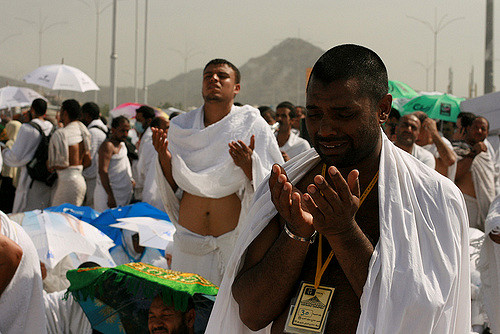
- The country is home to a tent city, Mina, spanning 20 square kilometers and holding about 100,000 tents. Refugees in Saudi Arabia have not been permitted to stay in these tents because they hold religious significance as a stop on the annual Hajj pilgrimage to Mecca. Each tent costs between $500 and $3,500.
- The Mina tent city has not been opened to people seeking refuge in Saudi Arabia because their government claims that this is not what such people want. The government has also voted against giving the displaced people the official designation of “refugee.”
- Due to increased criticism, in 2016 Saudi Arabia provided $75 million to aid refugees. However, with the number of people seeking refuge in Saudi Arabia continuously growing, the country continues to dismiss their status and refrains from putting them in refugee camps.
- Since Saudi Arabia is not a signatory to the U.N. Convention on Refugees, there is some discrepancy over the exact number of refugees in Saudi Arabia.
- The Office of the U.N. High Commissioner for Refugees (UNHCR) says there are between 100,000 and 500,000 refugees in the country, but some disagree that this number is not representative enough of the Saudi population of 31 million.
- A significant reason for Saudi Arabia closing its doors to people seeking refuge has to do with the Islamic State and Syrian Sunni Muslims. A majority of the refugees fleeing to Saudi Arabia are from Sunni areas of Syria–areas that play host to the Islamic State. Saudi Arabian forces have bombed these regions and want to know if the refugees are escaping ISIS or the bombings.
- The overarching reason that people seeking refuge in Saudi Arabia are being denied status or even shut out of the country has to do with issues of national security more than threats to demographic stability.
- The foreign ministers of the Gulf Cooperation Council have asked Saudi Arabia and the other Gulf countries also halting entry to refugees to find a solution to the crisis.
The Syrian refugee crisis continues to affect a large percentage of our world. The Syrians can no longer live in safety within their country, and so they seek safer lands. But the sheer number of refugees creates trouble for host countries trying to integrate refugees into society. This problem warrants a need for significant humanitarian aid and cooperation.
– Katelynn Kenworthy
Photo: Flickr
