4 Ways to Reduce Poverty in Burundi
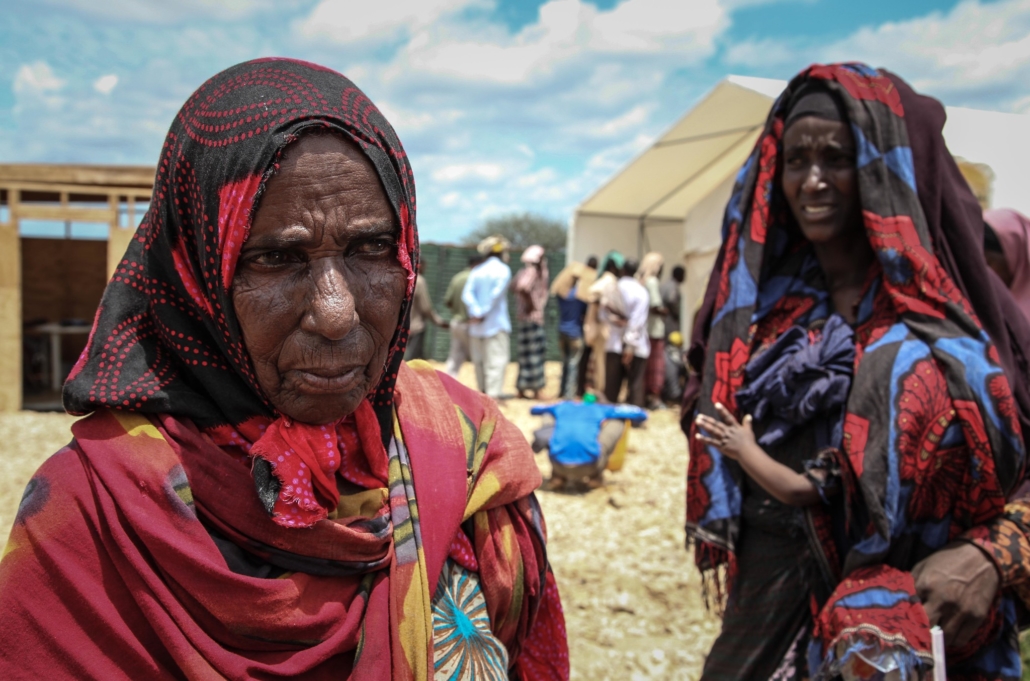
Burundi is a small country in Central-East Africa with a poverty rate of more than 60%. It is difficult for many Burundians to access basic necessities, such as clean water and health care. This is due to so many people in the country living on less than $2 a day. There are many ways to reduce poverty in a developing country. The following describes four essential areas to improve in order to reduce poverty in Burundi.
Health Care
Food or waterborne diseases, such as typhoid fever and hepatitis A, are common in Burundi. Health care spending in 2016, as a percentage of GDP, was 7.49%. The U.S., on the other hand, spent 17.04% of GDP on health care. Investment in the health care industry would only help reduce poverty in Burundi. Therefore, it would create jobs and improve the livelihood of Burundians.
The functionality of a society relies on good health. This is why investing in the health care industry spurs development. A disease, such as malaria, can hold individuals back from performing at work. It would be difficult for the more than 80% of the population in the agriculture industry to work if sick. In fact, about 81.5% of patients have to go into debt or sell a portion of their crops, land or livestock to pay for basic health care needs.
Education
Burundi spent 4.7% of its GDP on education in 2017. Investing in education can help increase profits in agriculture, which are minuscule. As a result, this can drive farmers to innovate and use efficient means of producing and storing crops for sale. Farmers in Burundi sell about 15% of crops for profit and eat the rest for survival. There are no long-term means of storage, so there is little reason to try to produce more crops; they would just spoil.
Education induces innovation and a more educated population. Provided they have the right tools, this leads to business developments. Agriculture accounts for more than 80% of all jobs in Burundi. This makes investing in other sectors, such as the power sector, appealing. With affordable and widespread electricity, farmers could afford better equipment, solar power, for example, to store and use energy when needed. As shown above, investment in education has a widespread effect on an economy, especially in a developing economy.
Infrastructure
In terms of GDP, Burundi grew little since 2015. However, investing and improving in various sectors is a good start to developing the country. This could result in the creation of jobs, the improvement of health and education and a reduction in poverty. Electricity, roads and bridges are areas that require growth. Subsequently, their development in Burundi would create jobs. For instance, jobs could emerge building schools, providing electricity to more than 90% of Burundians without electricity and supplying farming equipment to help increase productivity and wages.
According to Bertrand Badre, CFO of the World Bank, “Infrastructure is the backbone of any country, generating jobs, improving the quality of life for the poor and boosting economic growth.” Infrastructure creates jobs and therefore helps increase the profits of those employed in the industry. Additionally, the infrastructure helps those who would use public transportation and electricity for their occupation. Electricity access is only five percent. Therefore, increasing access would only help grow the struggling economy, thus helping to reduce poverty in Burundi.
Business
Burundi must also improve the business environment so that external investors and internal investors will view the potentially lucrative opportunity of producing products and services in the country. A stable and predictable business environment can form as a result of the government providing an incentive to entrepreneurs who are looking to expand to the country. Without government involvement, it is difficult to improve health care, education and infrastructure. In order to reduce poverty in Burundi, development begins with responsible governments that take initiative in helping its people.
– Lucas Schmidt
Photo: Flickr
