• Link to X
  • Link to Facebook
  • Link to Instagram
  • Link to TikTok
  • Link to Youtube
  • About
    • About Us
      • President
      • Board of Directors
      • Board of Advisors
      • Financials
      • Our Methodology
      • Success Tracker
      • Contact
  • Act Now
    • 30 Ways to Help
      • Email Congress
      • Call Congress
      • Volunteer
      • Courses & Certificates
      • Be a Donor
    • Internships
      • In-Office Internships
      • Remote Internships
    • Legislation
      • Politics 101
  • The Blog
  • The Podcast
  • Magazine
  • Donate
  • Click to open the search input field Click to open the search input field Search
  • Menu Menu
Blog - Latest News
Global Poverty

Rayburn Building 101
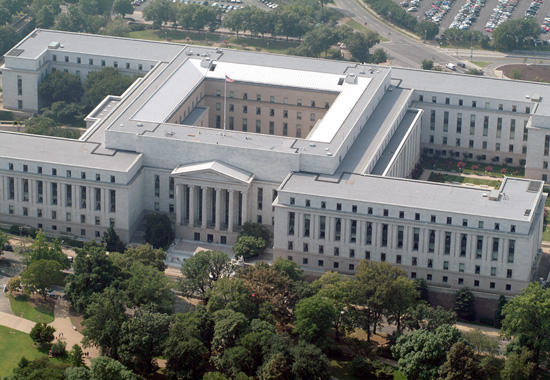
Rayburn Building Capitol Hill Office
The Rayburn Building is the newest and largest of the three buildings for the House of Representatives. Completed in 1965, the building is four stories tall, has two basements, and three levels of underground garage.   It contains 169 suites for members of the House, nine committee rooms, 16 subcommittee rooms, 51 staff rooms, a cafeteria, post office, and gym. Additional amenities include a first-aid station, Library of Congress book station, recording studio, and press conference faculties. The building is connected to the Capitol in Washington, D.C. through a walking tunnel and subway system with electric cars.  It isn’t hard to see why the Rayburn building is the most popular among members of Congress.

Rayburn Building Critics

Although its extravagant amenities make Rayburn a Capitol Hill get-a-way, the building has been ridiculed among architects and designers, many of whom object to its eccentric detailing and classicism.  Before Rayburn, the House resided in the Cannon House Office Building and in the Longworth House Office Building. In 1955, with no architectural schematics, site plan, or an architectural study, House Speaker Sam Rayburn called for a third House office building.  J. George Stewart, the architect of the Capitol building, simplified his original design into what he believed to be a classically harmonious compliment to the Capitol building, and obtained approval from the House Office Building Commission. Stewart selected the space west of the Longworth building, strategically facing the entrance toward Independence Avenue. Full occupancy began upon completion.

The outside of the Rayburn building is designed to complement its interior: two ten-foot marble statues stand on either side of the main entrance along with eight marble rhytons (drinking horns of the mythical creature chimera) on the east and west walls.  A six-foot bronze statue of Speaker Sam Rayburn adorns the courtyard.

– Kali Faulwetter

Sources: Capitol.gov, Aoc.gov
Photo: Natlfire

June 29, 2013
Share this entry
  • Share on Facebook
  • Share on X
  • Share on WhatsApp
  • Share on Pinterest
  • Share on LinkedIn
  • Share on Tumblr
  • Share on Vk
  • Share on Reddit
  • Share by Mail
https://borgenproject.org/wp-content/uploads/borgen-project-logo.svg 0 0 Borgen Project https://borgenproject.org/wp-content/uploads/borgen-project-logo.svg Borgen Project2013-06-29 04:00:122020-08-28 15:20:32Rayburn Building 101

Get Smarter

  • Global Poverty 101
  • Global Poverty… The Good News
  • Global Poverty & U.S. Jobs
  • Global Poverty and National Security
  • Innovative Solutions to Poverty
  • Global Poverty & Aid FAQ’s
Search Search

Take Action

  • Call Congress
  • Email Congress
  • Donate
  • 30 Ways to Help
  • Volunteer Ops
  • Internships
  • Courses & Certificates
  • The Podcast
Borgen Project

“The Borgen Project is an incredible nonprofit organization that is addressing poverty and hunger and working towards ending them.”

-The Huffington Post

Inside The Borgen Project

  • Contact
  • About
  • Financials
  • President
  • Board of Directors
  • Board of Advisors

International Links

  • UK Email Parliament
  • UK Donate
  • Canada Email Parliament

Get Smarter

  • Global Poverty 101
  • Global Poverty… The Good News
  • Global Poverty & U.S. Jobs
  • Global Poverty and National Security
  • Innovative Solutions to Poverty
  • Global Poverty & Aid FAQ’s

Ways to Help

  • Call Congress
  • Email Congress
  • Donate
  • 30 Ways to Help
  • Volunteer Ops
  • Internships
  • Courses & Certificates
  • The Podcast
Link to: 5 Interesting Facts About Nelson Mandela Link to: 5 Interesting Facts About Nelson Mandela 5 Interesting Facts About Nelson Mandela Link to: Reasons to Make Clean Energy a Top Priority Link to: Reasons to Make Clean Energy a Top Priority Reasons to Make Clean Energy a Top Priority
Scroll to top Scroll to top Scroll to top