Raising Wages for Cocoa Farmers in Latin America
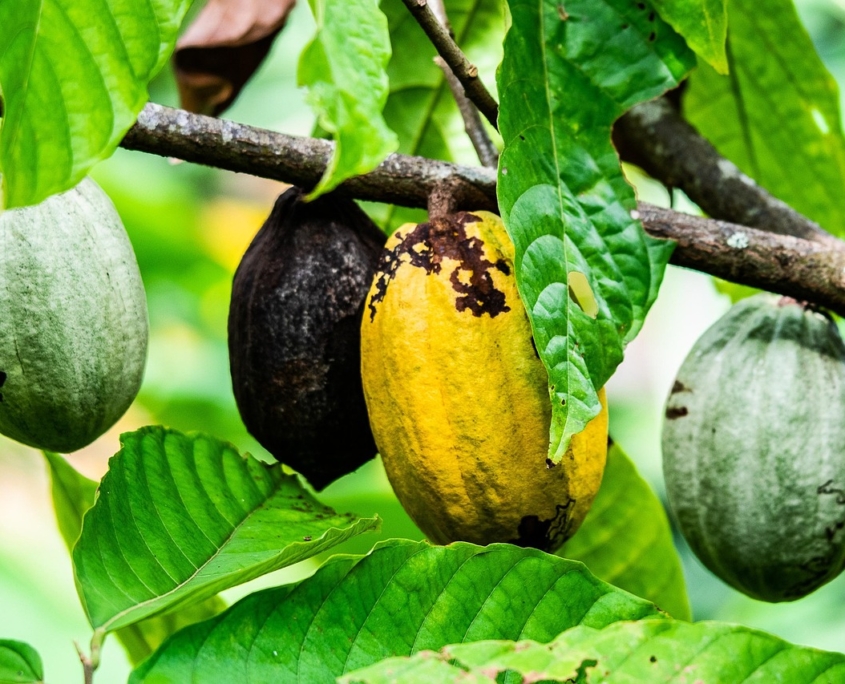 Investors, entrepreneurs and government organizations in Latin America are investing in cocoa farmers, which is helping to reduce the number of farmers living in poverty. National Public Radio (NPR) found that around 60% of the people living in Chocó, Colombia, live below the poverty line. The Colombian government launched a program connected to the 2016 peace treaty ending the war. This government program pays farmers to stop coca production. More than 83,000 families have benefited from these payments.
At a press conference, post-conflict adviser Emilio Archila addressed funding challenges that may disrupt the program. Rural farmers often rely on the growth of illicit plants to make a living. As a result, Afro-Colombians and displaced people in the region face disparities in access to vital resources. Eliminating the cultivation of illicit coca plants would decrease rates of violence while providing a sustainable and safer way to earn a living.
Living Standards
Individuals like Joel Palacios, former Minister of the Interior, are dedicated to improving the living standards of underdeveloped areas where Afro-Colombians reside. The goal is to do this through a process of eliminating illicit farm products and replacing coca plants with cocoa trees. Adding nurseries throughout the country will decrease the number of farmers living in poverty. Currently, farmers in Chocó grow cacao that Palacios turns into chocolate bars. He sells the bars in the country’s capital, Bogotá.
With the aid of the National Cacao Producers Federation, Palacios aimed to gain knowledge of cocoa pod harvesting skills in western Colombia. His education provided farmers with training in modern agricultural methods. Later, Palacios founded a school and artisanal chocolate company in Bogotá, selling nearly 1,000 pounds of cacao each month and adding jobs and opportunities to succeed in cocoa farming with help from the Quibdó Municipal Association of Cacao Producers.
Reducing Poverty Through Fair Trade
Focusing on Fairtrade will impact poverty reduction among cocoa farmers by increasing wages, while families move above the poverty line. Their clients help farmers with supply chain needs through Fairtrade producer organizations. Fairtrade clients work with farmers, workers and consumers in other countries, paying premiums to obtain better working conditions and wage increases for laborers. Higher standards and premiums work toward protecting farmers’ human rights while providing a working environment without discriminatory practices. This business model is a more sustainable and ethical method for cocoa farming in Latin America.
Investing in Cocoa Farms in Brazil
Much of Brazil’s cocoa production comes from small farms that are unable to invest in agricultural development or use modern equipment. It is common for farmers to live in poverty due to low income. As a result, cocoa farmers lack the resources to grow their farms and escape poverty. Reuters reported that 80% of Brazil’s cocoa production comes from small-scale farmers with low income and efficiency.
With the creation of the Kawa fund, implemented by several Brazilian nongovernmental organizations (NGOs), small cocoa farmers will be able to grow their farms with assistance from loans. Founders of the fund aim to raise $176 million by 2030. The Kawa fund’s initiatives provide farmers with access to fertilizer and farming equipment to scale their operations. Now that the Ivory Coast and Ghana are facing significant challenges with their cocoa supply, Latin America has gained business from clients searching for new cocoa suppliers. Reuters expands on the timing of the fund getting set in motion:
“The fund’s launch comes at a critical time for the industry, as top producers Ivory Coast and Ghana have suffered crop losses due to adverse weather, bean disease, smuggling and reduced plantations in favor of illegal gold mining, sending cocoa prices upward.”
The Future of Cocoa Farmers
Despite challenges in the industry, recent innovations in cocoa farming are promoting poverty reduction efforts in developing countries in Latin America. Indeed, Colombia has a major role in the successful operation of supply chains and is currently one of the top producers of cocoa globally. Furthermore, significant progress for farmers has been achieved with the implementation of sustainable farming methods and financial investments, resulting in increased wages for cocoa farmers in Latin America.
– Lala McCullough
Lala is based in Brentwood, CA, USA and focuses on Good News for The Borgen Project.
Photo: Pixabay
