Poverty Reduction Efforts Across Africa
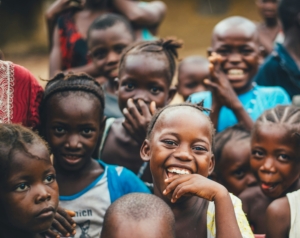
From East Africa, home to Kenya, to the western coast of Sierra Leone, the continent is home to diverse populations that have both experienced and influenced much of modern history. Africa features climates ranging from tropical beaches to vast desert regions. Despite decades of systemic and economic challenges, countries across Africa have made significant progress in reducing poverty through foreign aid and locally driven social programs.
Kenya’s Clean Start Africa
International collaboration remains important in the mission to reduce poverty across Africa. Local social programs have also become central to this effort. For example, Kenya is advancing local social initiatives through Clean Start Africa, an organization that empowers women and girls through rehabilitation and reintegration.
Clean Start Africa was founded in Kenya with a mission to support women and girls affected by the criminal justice system, particularly those from vulnerable communities. The organization works to reintegrate participants into society through a three-pillar model.
The first pillar, dignified rehabilitation, prepares women for release by emphasizing healing and leadership development. The second pillar, re-entry pathways, supports formerly incarcerated women through peer mentorship, networking opportunities, business training and much more. The final pillar focuses on systemic change by speaking against laws, policies and social conditions that contribute to women’s vulnerability.
International Support Through WPHF
The United Nations Women’s Peace and Humanitarian Fund (WPHF) supports local projects across Africa and women-led initiatives focused on peacebuilding and gender equality. International programs such as WPHF have contributed significantly to poverty reduction efforts across Africa by investing in and strengthening women’s leadership. Funding allocated through WPHF enhances women’s participation and leadership across the continent.
In Nigeria, WPHF supports projects that work to reduce violence against women and promote human rights and gender equality. WPHF has partnered with several organizations, including Ambassadors of Dialogue, Climate and Reintegration, Grassroots Researchers Association, Green Concern for Development and Muslim Sisters Organization. These partnerships further the WPHF’s agenda, which focuses on women’s safety and gender equality in leadership roles.
Outside Nigeria, WPHF has also supported displaced women in Yemen, contributed to Uganda’s fight against sexual and gender-based violence and aided women in Mali in their efforts to participate in peacebuilding and economic recovery. The program highlights the importance of worldwide investment in women’s empowerment and underscores that when women are given the tools and freedom to succeed, it benefits national economies as a whole.
Expanding Women’s Economic Leadership
Other international partnerships share the same focus on helping women across Africa gain economic stability. Similar to WPHF, the U.S. Department of State established the African Women’s Entrepreneurship Program (AWEP) in 2010. AWEP operates in 44 countries across Africa through local chapters that serve as business and networking centers. The program was expanded in 2022 under the Joe Biden administration.
The U.S. Department of State created AWEP to provide African businesswomen with the tools, resources and opportunities needed to grow sustainable businesses. AWEP also encourages women to become community leaders and participate in international trade, helping create more economic opportunities across Africa.
Combined Impact
Poverty reduction efforts across Africa highlight the value and dedication of local social programs and international partnerships. Programs like Clean Start Africa, along with the WPHF and AWEP, demonstrate how important support and civic involvement can be in strengthening communities. As more countries globally adapt, more opportunities for women will continue to reflect that women’s empowerment is tied to poverty reduction efforts. Both are attainable through foreign aid and global partnership and will create lasting growth and social progress.
– Rayonna M Sander
Rayonna is based in Chicago, IL, USA and focuses on Technology and Global Health for The Borgen Project.
Photo: Unsplash
