How Poverty in the DRC Impacts Epidemics
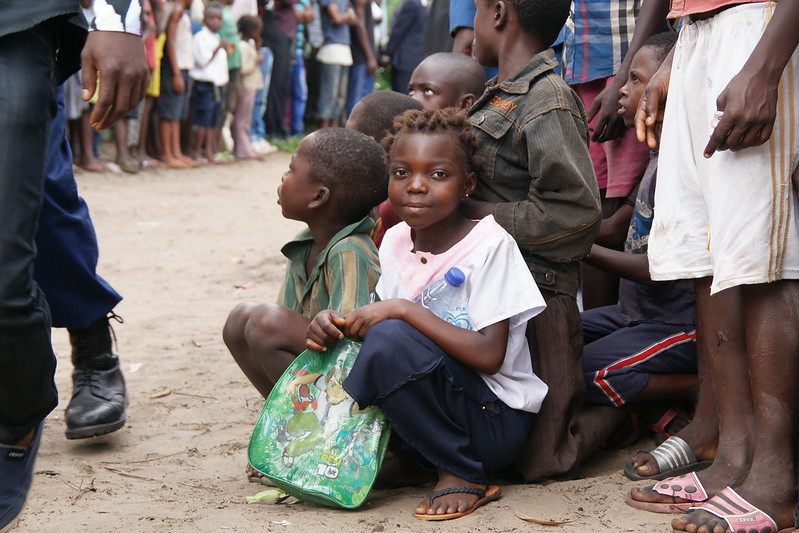 Around the world, COVID-19 has tested the government’s ability to respond to widespread health crises. It exposed the logistical and institutional hurdles for deploying mass vaccination programs. Furthermore, additional obstacles in developing countries exacerbated the pandemic effects and undermined the government response. In the DRC, one of these obstacles was poverty.
Disease, Vaccination and the DRC
For the African continent, the DRC has a history of being “ground zero for infectious diseases,” according to Foreign Policy. It is plagued with annual epidemics such as malaria, Ebola, polio and cholera. Insufficient financial resources and the country’s territorial size stifle efforts to contain the outbreaks. Still, there have been mass vaccination initiatives from both governments and NGOs to alleviate the impact of epidemics.
This produced a steady increase in immunization rates, both in the DRC and globally. But COVID-19 temporarily reversed this trend. The World Health Organization (WHO) and UNICEF collected data in 2019–2021 that showed the percentage of infants who received DTP3 (three doses of diphtheria, tetanus and pertussis vaccines) had fallen to 81%. That was five percentage points down from pre-pandemic levels.
In the DRC, the decline in vaccination rates was even greater. UNICEF reported that “the coverage of vaccination against all the recommended early childhood diseases…had decreased between 8 to 10 percent,” and, “coverage of other vaccines against chickenpox, measles, yellow fever…has decreased between 4.5 and 1.5%.”
The Impact of Poverty in the DRC
In these conditions, the many facets of poverty (lack of accessible water, low sanitation levels and food insecurity) in the DRC only exacerbate the disease epidemics. According to Global Waters, in the DRC, “52% of the population…has access to basic water and 29% has access to sanitation.” These two factors have detrimental consequences. First, low sanitation levels mean less preventive protection against disease and more areas where it can thrive. The lack of accessible water forces people to travel longer distances to attain necessary resources, raising the likelihood of interacting with infected persons. Such consequences are not contained in the DRC. Migrating persons and cross-border travelers carry the disease to the populations in other countries.
Another indirect facet of poverty is access to education. Persons who spend their waking hours hungry, laboring or searching for food and water, have less time and fewer resources to allot to other activities. They do not have the luxury of free time or disposable income for education.
In the context of pandemics this lack of education, specifically the lack of access to correct information, increases the susceptibility of persons to be misinformed on vaccines. Videos likely produced outside of Africa containing lies about the vaccine — that it caused death and infertility — fueled a greater distrust in vaccines, according to PBS. This, in turn, discouraged persons from vaccinations, furthering the disease spread in the population.
Recent International Developments
Fortunately, the plight of the Congolese people did not go unnoticed. In 2020, The DRC government invested twice as much in purchasing vaccines, and a range of international organizations and financial partners (UNICEF, WHO, World Bank, Rotary, USAID and the Bill and Melinda Gates Foundation) offered assistance in the immunization efforts.
The decline in child vaccinations has been mostly overturned. The WHO reported that “the number of children missing out on any vaccination…improved from 18.1 million in 2021 to 14.3 million in 2022, nearly back to pre-pandemic 2019 levels.”
The DRC still remains a likely epicenter for potential disease outbreaks. But with the assistance of international organizations, the country’s government could play a significant role in containing the next outbreak.
– Nicholas Jaramillo
Photo: Flickr
