Everything to Know About Poverty in Nicaragua
 Located in the heart of Central America, Nicaragua stands out for its rich biodiversity, diverse landscapes and abundant natural resources. However, behind this natural wealth lies a contrasting reality: poverty in Nicaragua continues to affect many families, making it difficult for them to afford even the most basic necessities.
The Cost of Living in Nicaragua
Nicaragua’s basic basket of 53 essential products provides a useful measure of the cost of living. Everyday staples such as rice, beans, tortillas, milk and eggs are among the products used to calculate the cost of meeting a family’s basic needs.
The cost of these basic necessities highlights one of the everyday challenges of poverty in Nicaragua, particularly for workers earning the minimum wage. The basic basket cost approximately 21,475 córdobas in July 2026 while the average monthly minimum wage stood at around 9,313 córdobas. As a result, a worker earning this wage would need approximately 2.3 monthly salaries to afford the entire basket.
Although Nicaragua made significant progress in reducing its national poverty rate from 48.3% in 2005 to 24.9% in 2016, several challenges remain. According to the World Bank, Nicaragua has not published more recent official poverty estimates, making it difficult to assess the country’s current poverty levels. Natural disasters and global crises, such as the COVID-19 pandemic, can threaten these achievements by disrupting economic activity and increasing the risk of poverty among vulnerable communities.
When Nature Threatens Livelihoods
Despite its abundance of natural resources, Nicaragua remains highly vulnerable to natural disasters, including hurricanes, tropical storms, floods and droughts. These events can worsen poverty in Nicaragua, particularly in rural communities that depend on agriculture for their livelihood.
In 2026, El Niño-related rainfall shortages affected Nicaragua’s Pacific and north-central regions, damaging crops such as corn, beans, peanuts and sugarcane. Water shortages and deteriorating pastures also affected livestock farming, placing additional pressure on agricultural communities. For families whose income depends on agriculture, losing crops or livestock can mean losing their main source of livelihood. Reduced agricultural production can also affect food availability and place additional pressure on household budgets.
These challenges are particularly concerning in Nicaragua where smallholder farmers produce approximately 79% of the country’s basic grains, according to the World Food Programme.
From Waste to Opportunity: The Transformation of La Chureca
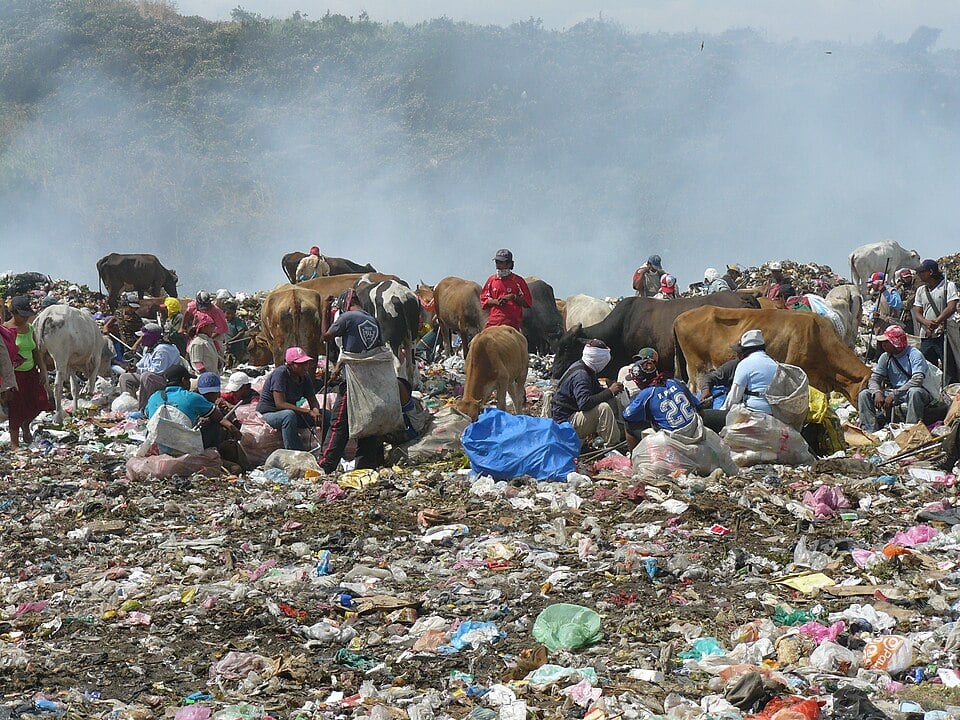
La Chureca, one of Nicaragua’s most well-known former landfills, has a remarkable history of transformation. Located in Managua, the country’s capital, it was once home to hundreds of families who lived among waste and depended on collecting recyclable materials to survive.
Between 2009 and 2013, the Spanish Agency for International Development Cooperation (AECID), in collaboration with Managua’s local government, carried out a project aimed at improving living conditions. The initiative included the construction of 258 homes, the closure of the former open-air dump and the development of a recycling plant that created employment opportunities for former waste pickers.
According to AECID, approximately 1,500 people participated in the project, while the recycling plant provided employment opportunities for around 500 workers, most of whom had previously depended on collecting waste to survive. Beyond housing and employment, the project also introduced educational programs, vocational training and community services, offering families opportunities to improve their living conditions. Additionally, more than 16,000 people indirectly benefited from the initiative through improved access to healthcare, education and community facilities in the surrounding neighborhood.
Nourishing Communities, Building Opportunities
Food insecurity remains another challenge closely connected to poverty in Nicaragua. The World Food Programme (WFP) supports programs aimed at strengthening food security, improving nutrition and helping vulnerable communities. In collaboration with Nicaragua’s Ministry of Education, WFP supports the National School Nutrition Program, which provides nutritious meals to approximately 144,000 students across 47 municipalities in the country’s Dry Corridor. Beyond school meals, WFP also supports smallholder farmers by improving their access to markets and promoting the purchase of locally produced food. These efforts show how improving access to food can go hand in hand with creating economic opportunities for communities whose livelihoods remain vulnerable to poverty and environmental challenges.
Nicaragua’s natural wealth stands in contrast to the economic difficulties many families continue to face, demonstrating why poverty in Nicaragua remains an important issue. From the rising cost of basic necessities to the uncertainty brought by natural disasters, poverty remains closely connected to the challenges that shape people’s everyday lives. Nevertheless, initiatives such as the transformation of La Chureca and the World Food Programme’s efforts demonstrate how access to housing, employment and adequate nutrition can help improve living conditions.
While these initiatives cannot eliminate poverty on their own, they highlight the importance of creating opportunities for vulnerable communities. Nicaragua’s experience serves as a reminder that addressing poverty requires more than economic growth alone; it also means ensuring that people have access to the basic necessities and opportunities needed to build a better future.
– Alejandra Rodriguez
Alejandra Rodriguez is based in Germany and focuses on Global Health for The Borgen Project.
Photo: Wikimedia Commons
