Supporting Mental Health After the Nepal Floods
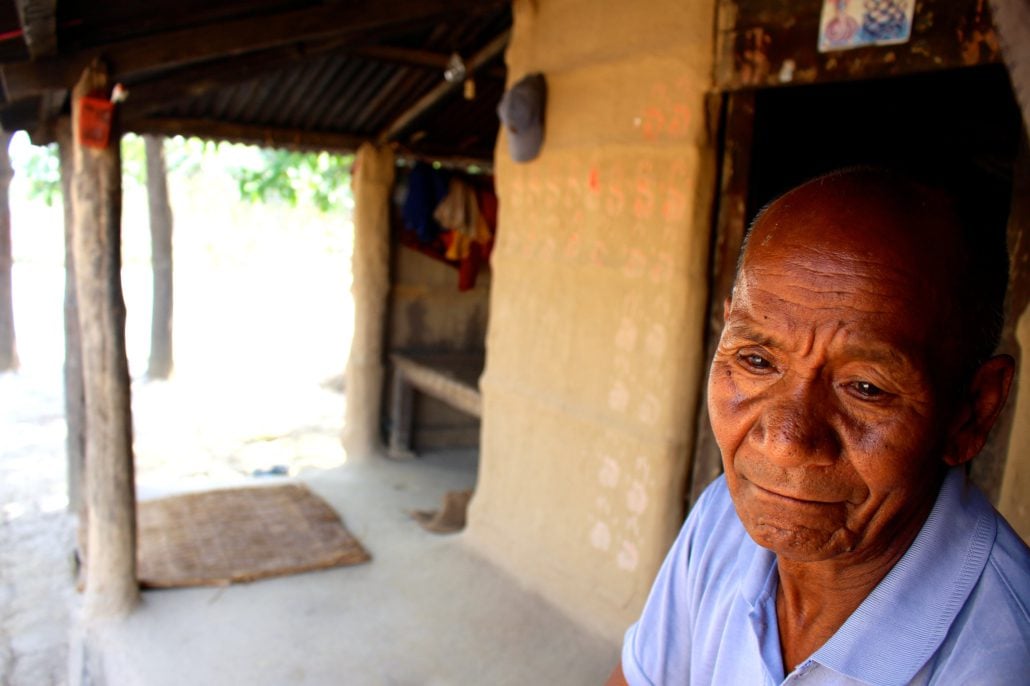 “When the water inundated our home, it didn’t just ruin our physical belongings, it broke something inside us. Surviving the disaster is only the first step. Living with the daily fear and uncertainty of where we go from here is the hardest part,” said a Nepal resident named Ishwori when interviewed by the United Nations Population Fund.
Ishwori is a survivor of the disaster in Nepal on August 26, 2026, where the Bhote Koshi River flooded due to an avalanche in the nearby mountains. The devastation was enormous: a UN report from September 29th numbered confirmed deaths across the Nepal and Tibet border at 1,439 and remaining missing persons at more than 5,000. On September 1st, more than 3,000 were at displacement centers in Nepal after the destruction of their homes.
Affected communities are on a long road to recovery. Yet, as Ishwori conveys, survival is just the first step. Impact on mental health after the Nepal floods will be complex, varied and not immediately clear. While the recovery of minds is much more unquantifiable than recovery of buildings or injuries, it is an urgent mission.
Understanding the Psychological Impact of Natural Disaster
A 2024 report summarizing research on mental health responses to disaster states that nearly one-third of people affected by disasters experience negative psychological effects, such as symptoms of PTSD, anxiety and depression. These also vary in severity, from short-term distress, to long-term psychological disorders. According to this report, research suggests that individuals’ access to resources influences psychological responses to disaster. Resources vary from more material factors such as money and a home, to more personal and social factors, such as a role in the family or community and a sense of self. Without these, managing life after a traumatic event is more challenging. In an event this destructive, many became impoverished overnight, as the disaster washed their homes, jobs and lives away.
Therefore, replenishing resources and rebuilding lives is integral to widespread psychological recovery. However, the precise effects on mental health effects from this disaster are not yet established, as they take time to manifest. Therefore, short and long-term services are essential to supporting people as they navigate their lives post-disaster.
Immediate Support for Survivors
The first response is known as Psychological First Aid (PFA) – a practical kind of support which aims to make survivors feel safe and cared for just after a traumatic event. The Kathmandu Post reported one week after the event that approximately 50 psychiatrists, psychologists and counselors had been deployed in the Rasuwa and Nuwakot districts, areas that were severely affected. The Health Ministry carried out this deployment, with support from mental health charities and NGOs.
These first responders’ function was primarily to ensure that people had basic comfort and needs met, rather than offering clinical psychiatric treatment. PFA may instead link survivors with mental health services if this is required.
Hotlines also offer remote psychological support. Nepal’s 1166 suicide prevention line puts survivors through to a trained counselor from Patan Mental Hospital for trained psychosocial support. The Ministry of Health and Food and Safety Nepal has a hotline for health needs (1115), but following the floods, it has extended to include psychological as well as physical needs.
Children require especial care. One doctor treating survivors in Nepal stated that children should be prioritized in the mental health response because they are more vulnerable to developing psychological disorders if not immediately supported. A UNICEF spokesperson said that many are struggling with grief, fear and anxiety. Current action to support children includes alternative care in families for children orphaned by the disaster and the creation of child-friendly spaces, supported by UNICEF, which provide protection and familiarity.
The most immediate demand after disaster is to enable people to feel secure and rebuild their lives again. Yet, for those dealing with significant grief and trauma, survival will not be enough. Supporting mental health after the Nepal floods requires long-term strategies.
Long-term Support and ‘Building Back Better’
Mental health services in Nepal have already progressed in response to previous disasters. A key example is the 2015 earthquake, which had an enormously devastating impact in Nepal, including huge loss of life. With evidently severe mental health implications, the earthquake accelerated investment in a national mental health care system. New care providers were trained, policies were revised and people could access more free medication for diagnoses. The World Health Organization uses the term ‘building back better’ to describe this opportunity for growth. The 2026 flood, although also devastating, may create another such opportunity to strengthen the provision of mental health services.
To mark World Mental Health Day 2026 (October 10th), the Ministry of Health and Food Safety and the WHO Country Office organized an event to discuss actions to improve Nepal’s mental health care. The event aimed to base the development of care on lived experience and individuals’ voices. Not only did speakers call for the expansion of care, such as the integration of mental health within other services, but also increased awareness-raising. Greater awareness of services available, such as the 1166 helpline, as well as working to de-stigmatize mental health issues, endeavors to improve the effectiveness and accessibility of care.
This event, in the wake of the flood disaster in the summer, represents the momentum within policymaking for mental health care reform. It shows the capacity for Nepal to further ‘build back better.’
Conclusion: Growing From Adversity
Impact on survivors’ mental health after the Nepal floods cannot yet be measured or determined. For many, their lives will never be the same. Nevertheless, commitment to investment and reform in Nepalese mental health care provides the foundation for sustainable psychological recovery and resilience in the face of future uncertainty. This is equally as important as rebuilding homes and communities – and part of the same process.
– Hattie Murdoch
Hattie is based in Norwich, UK and focuses on Good News and Global Health for The Borgen Project.
Photo: Flickr
