How India’s Sagarmala Programme Could Support Coastal Communities
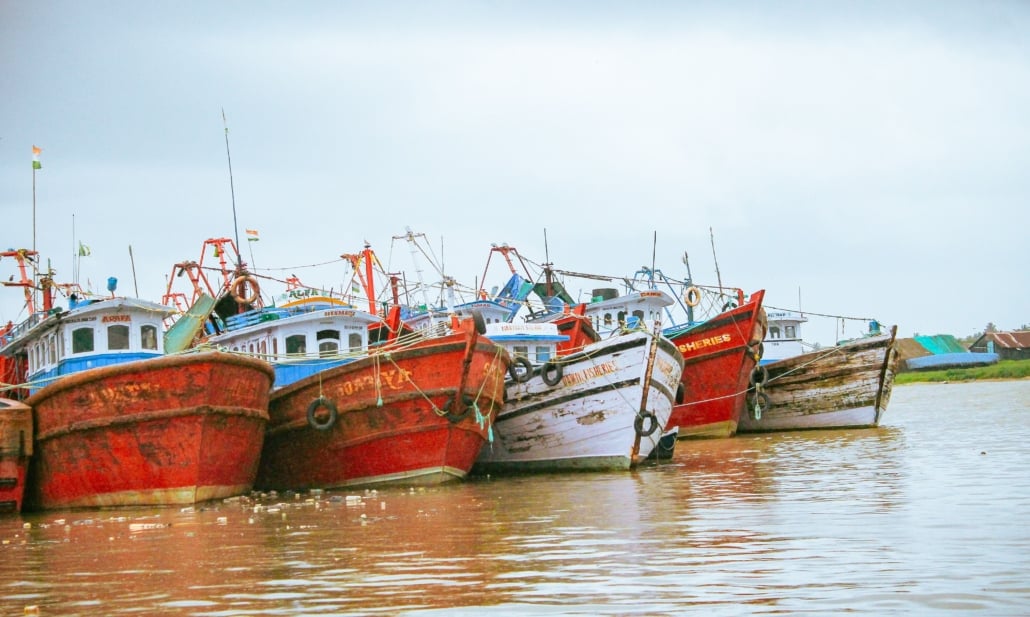 India has a long maritime history, with powerful empires such as the Cholas and Marathas developing significant naval capabilities. However, India’s maritime sector faced considerable challenges during British colonial rule and in the decades following Independence. Modernizing ports, improving maritime connectivity, and strengthening coastal infrastructure became increasingly important to the country’s economic growth. In 2015, the Government of India launched the Sagarmala Programme to address these challenges. The initiative aims to modernize ports, promote port-led industrialization, improve maritime connectivity and support coastal communities. By strengthening maritime infrastructure, Sagarmala seeks to improve trade efficiency, generate employment opportunities and contribute to India’s broader economic development.
India’s Port Ecosystem Before Sagarmala
Before Sagarmala received Cabinet approval in 2015, India’s port sector faced several challenges, including fragmented administration, inadequate infrastructure, and poor connectivity with inland industrial centers. A 2016 assessment under the Sagarmala Programme estimated that approximately 25% of India’s container cargo was transshipped through foreign ports, including Colombo and Singapore. This increased handling and transportation costs for Indian trade.
The issue was particularly significant because ports handled approximately 90% of India’s external trade by volume and more than 70% by value, according to NITI Aayog’s Strategy for New India @75.
A separate NITI Aayog assessment estimated India’s logistics costs at approximately 14% of GDP, compared with 9% in the United States and 11% in Japan. These figures are documented in NITI Aayog’s Strategy for New India @75 and reflect historical estimates rather than necessarily representing current logistics costs. Nevertheless, they highlighted the need for greater port efficiency, integrated transport networks, improved inland connectivity and reduced logistics costs.
The Sagarmala Programme: A Strategy for Port-led Development
According to the official website of the Ministry of Ports, Shipping, and Waterways, the concept of Sagarmala was approved by the Union Cabinet on March 25th, 2015. Sagarmala was officially activated after the release of the National Perspective Plan (NPP) in 2016 by Prime Minister Modi. The Sagarmala consists of five major components according to the website. Those are:
- Coastal shipping and IWT
- Port modernization
- Port connectivity
- Port-led industrialization
- Coastal community development
These five major sub-programs broaden the scheme beyond just port-building.
Employment and Industrial Development
Under the original Sagarmala framework, India’s approximately 7,500-kilometre coastline was divided into 14 identified and proposed Coastal Economic Zones (CEZs). These zones were intended to encourage industrial investment by locating manufacturing and related activities closer to ports, available labor, railway networks, national and state highways and other transportation infrastructure. The Ministry’s announcement identifying the 14 Coastal Economic Zones provides details of their proposed locations and associated industries.
However, this does not mean the 14 economic zones are set up and active. In fact, in a parliamentary response in 2022, the government discussed developing a single CEZ as a pilot. This setup ensures that readily available products can be immediately packed and sent off via trains on Dedicated Freight Corridors (DFCs) or nearby national highways. As reported by the Press Information Bureau, the Sagaramala Programme as a whole is expected to employ 10 million people (4 million directly, 6 million indirectly). These opportunities were projected across port operations, infrastructure construction, logistics, industrial development and related sectors. The logistics of running ports, the technicians required, building new greenfield ports, and the expansion of fisheries not only benefit the region economically, but also improve the livelihoods of the local millions.
Coastal Community Development
Approximately 18% of India’s population lives in the country’s 72 coastal districts, which comprise 12% of India’s mainland. According to the Ministry, one of Sagarmala’s main tasks is to support coastal communities by investing in fisheries, marine-based tourism, and related skill development. The Sagarmala Programme also aims to help in skill development in: shipping and port operations, logistics and warehousing, shipbuilding and ship repair, fisheries processing, and maritime services. Training can help coastal residents develop skills, creating broader employment opportunities and increasing their chances of escaping the poverty cycle, thereby supporting poverty reduction. Sagarmala also considers marine-based tourism development. The program also seeks to promote coastal and cruise tourism through improved tourism infrastructure, including cruise terminals and lighthouse development. These investments could create opportunities for local businesses and workers in hospitality, transportation and related services.
Conclusion
India’s Sagarmala Programme represents an effort to not only improve port based infrastructure in the country, but also improve coastal communities, cruise ship terminals, and skill development initiatives. By also encouraging industrial development and improving both rail and road connectivity, it helps create multiple employment opportunities and strengthen local communities. However, infrastructure development alone cannot eliminate poverty or support its reduction. Its long-term contribution will depend on whether the opportunities it generates reach vulnerable coastal populations and translate into sustainable improvements in household incomes.
– Dhruv Bandhu
Dhruv Bandhu is based in Bengaluru, Karnataka, India and focuses on Good News, and Technology and Solutions for The Borgen Project.
Photo: Pexels
