Innovations in Poverty Eradication in Argentina
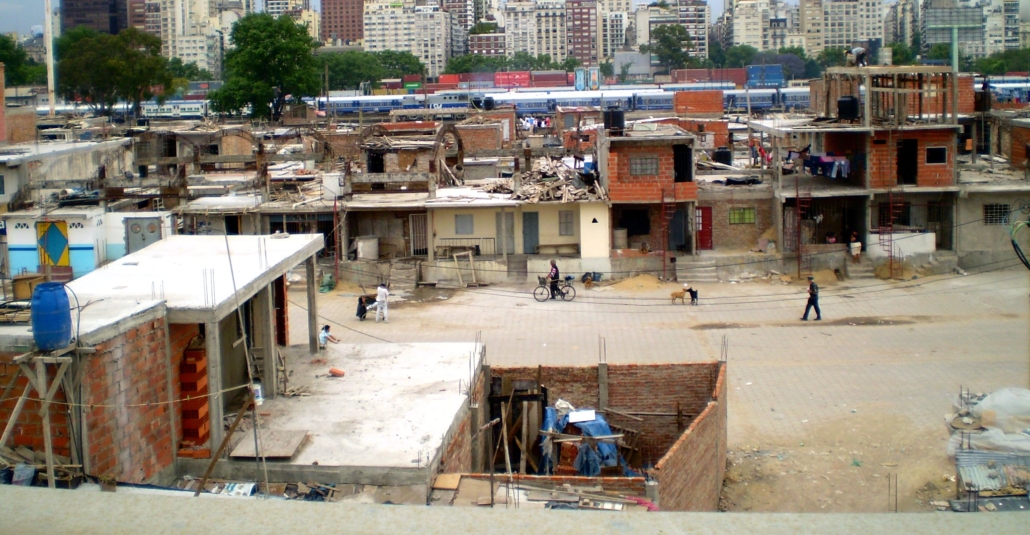 Argentina, located in South America with a population of 45.7 million, has faced persistent economic instability, with 38% of the population living in poverty at the end of 2024. Although the number of people experiencing poverty in Argentina is alarming, this percentage has decreased from 53% in the first half of 2024 with President Milei’s attempts to grow Argentina’s economy. However, despite these improved figures, there is still a long way to go, and organizations and the government are continuing to work to get more people out of poverty. Here are three key innovations in poverty eradication in Argentina.
IDB Group Financial Support Package
Last month, the Inter-American Development Bank (IDB) outlined a three-year strategy to support the transformation of Argentina. This plan, developed with the government, focuses on implementing reforms to ‘promote sustainability and efficient public spending.’ As part of this strategy, the IDB Group allocated $10 billion to grow Argentina’s economy and reduce poverty faced by the country. Both the private and public sectors will receive this financial support package. About $3 billion will be focused on private investment, with the remaining $7 billion focused on initiatives in the public sector. Furthermore, the plan also focuses on addressing poverty directly by ensuring the health care and education systems are improved, as well as living conditions for the most vulnerable populations.
Early Childhood Strategy
The COVID-19 pandemic highlighted Argentina’s poor early childhood care system and existing inequality, as 2.7 million children are part of a vulnerable group. In response to this, the UN’s early childhood and sustainable development programme worked with the Argentine government to address this ‘care crisis.’ This strategy focuses on improving the childcare system across the country and has trained almost 3,000 workers on the effects of COVID-19 and social isolation on children. These improvements have worked to narrow the inequality gaps between children and are integral innovations in eradicating poverty in Argentina.
Income Transfer Programmes
Income Transfer Programmes have been a key method in alleviating poverty. During the COVID-19 pandemic, the government expanded cash transfers to 9 million workers, subsidizing the income of the most vulnerable in Argentina. However, while Income Transfer Programmes are not a new method of eradicating poverty as one that has been in place for 20 years, recent developments have increased their impact. For example, the Universal Child Allowance, since it became the most prominent programme, led to a 3% decrease in Argentina’s overall poverty and a nearly 30% decrease in extreme poverty.
Looking Forward
While the innovations in poverty eradication in Argentina outlined here have been crucial in lowering poverty rates and will continue to be, the fight to truly eliminate poverty in the country is far from over. The complex and structural issues leading to Argentina’s high poverty rate persist. However, the various innovations in poverty reduction outlined here represent a holistic approach to tackling Argentina’s issues and, therefore, offer hope for eradicating poverty in the country.
– Victoria Adrados
Victoria is based in London, UK and focuses on Good News and Technology for The Borgen Project.
Photo: Flickr
