Pollinate Energy Provides Sustainable Energy, Jobs in India
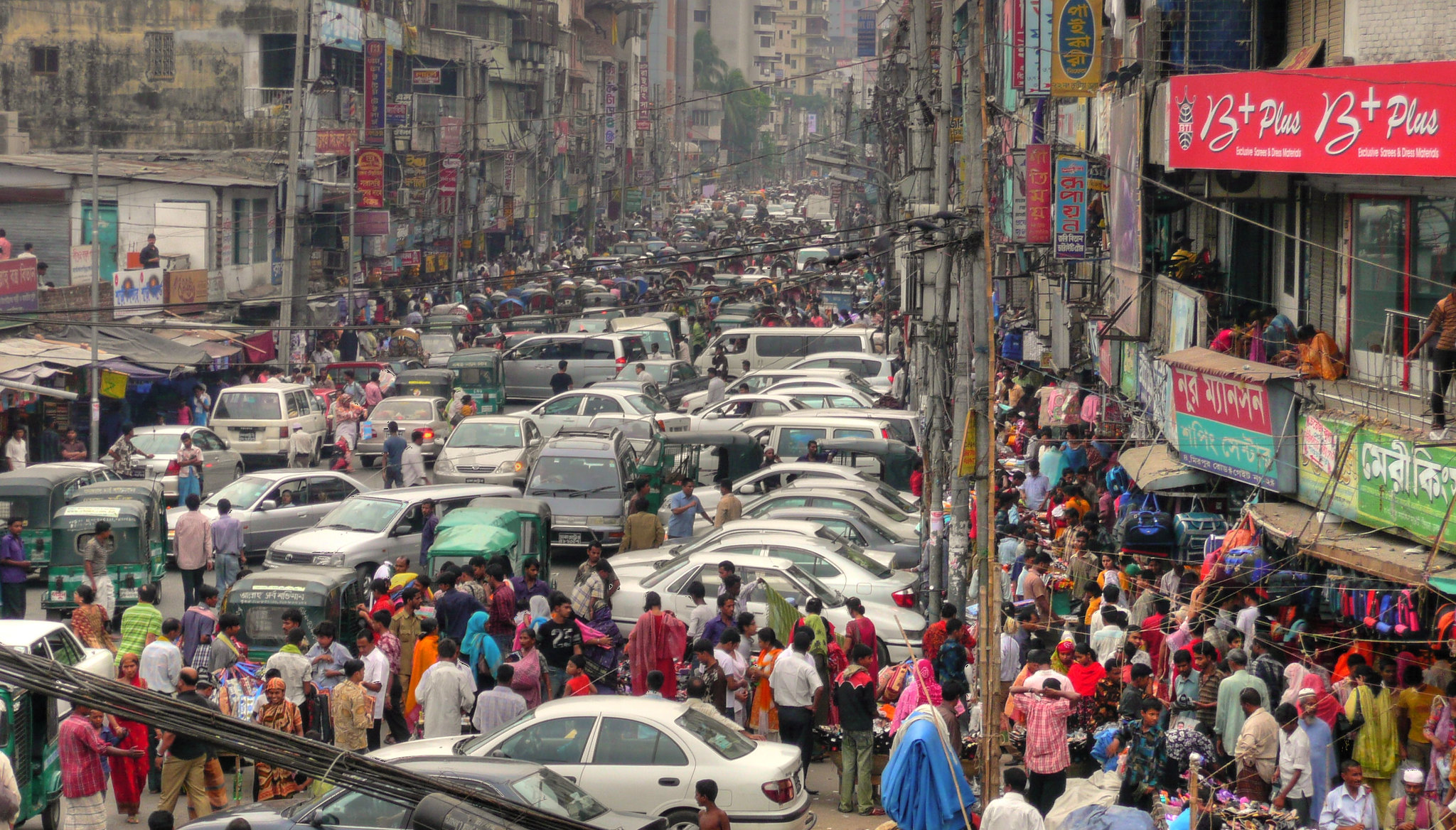 India is a country that is home to 1.3 billion people and counting. Despite rapid innovation and expansion in the country, a significant portion of the population lives in slums.
In fact, as of 2014, 24 percent of the urban population of India resided in slum housing. Slum housing is any housing that may lack structural integrity or space, access to clean water or sanitation or where residents do not have the security of tenure.
With such a large population living in slums, there is a serious need for affordable energy. Yet electricity from the power sector in India is very unreliable and power outages of 20 hours or more occur often. As a result, many people who reside in India’s slums rely on kerosene as fuel. While kerosene is an effective substitute for an unreliable power sector, it is not cost-efficient and can cause household and environmental air pollution.
To improve access to sustainable energy in India’s slums, one organization called Pollinate Energy has implemented a unique business strategy. In what Pollinate Energy calls “social business,” a salesman or “pollinator” builds connections with locals in Indian slums.
The pollinator may teach the locals about the benefits of using renewable energy and the potential negative effects of using kerosene for light or cooking. If the community members want to purchase sustainable energy products from the pollinator they can buy them at an affordable price.
Plus, if the customers are satisfied with the products, they may act as “worker bees” that refer other community members to the pollinator in return for products or commission.
This business model encourages the adoption of reliable, sustainable energy products in India’s slums and allows consumers to become entrepreneurs in their own communities.
According to their annual report, in 2014-15 Pollinate Energy sold over 9,000 products to nearly 43,000 individuals in India. These products helped save 43.7 million Rupees and eliminated 2,000 tons of potential CO2 emissions for consumers who would have bought and used kerosene for light and cooking.
For at-risk individuals like those who live in slums, any money that can be saved could be used for other essential goods like food, water or medicine. Though systematic change is necessary to fully help those who reside in slums around the world, Pollinate Energy is making a positive difference by providing clean energy products and job opportunities to those in need.
– Weston Northrop
Photo: Flickr
