Poly-Fluorinated Alkyl Substances: PFAS in India
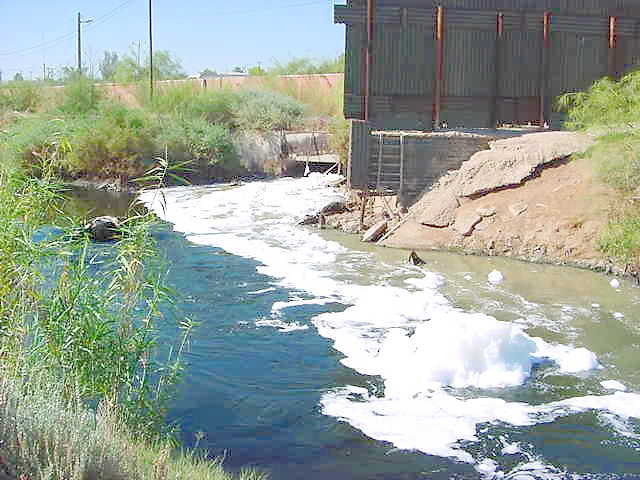 Typically, when people think of pollution, we imagine tangible contaminants such as plastics that may take more than 500 years to degrade. However, recently, with the rise of global industrialization, more and more countries have introduced a new chemical that takes thousands of years to break down, known as PFAS (per- or polyfluorinated alkyl substances).
What Are PFAS?
These chemicals, commonly referred to as “forever chemicals,” belong to the fluorine-based group. They find widespread use in various household items like paint, fire extinguishers, cookware and more. PFAS has been shown to have many negative health impacts, including higher rates of cancer, decreased vaccine effectiveness and increased blood pressure and cholesterol.
The everlasting nature of this chemical means that once it comes into contact with humans, it leaves a lasting impact and accumulates over time. While many countries race to find solutions and create preventive pieces of legislation, India has remained quiet on the matter. With various risks to human and environmental health, the question arises: “How has the government been addressing the impact of per- or polyfluorinated alkyl substances in India?”
The Problem of PFAS in India
A major difference between PFAS in India and several other countries is the culture behind the burning of waste. However, when waste containing PFAS is burned, these chemicals are released into the air, posing a higher risk of exposure to individuals through inhalation. The limited research conducted on pollution levels in different locations across India reveals a significant correlation between population density and the levels of PFAS in both the air and dust. Additionally, these studies show that younger generations tend to have higher levels of PFAS in their body, indicating recent exposures.
PFAS is disproportionately affecting low-income neighborhoods, where residents often depend more on drinking water from nearby rivers, streams and wells, making them susceptible to contamination with these substances. Additionally, these areas are typically closer to large factories and plants that tend to use PFAS, further contributing to increased levels of exposure. With most of the people living in these communities also working in the plants, their exposure levels are exponentially higher than those who can afford to move away and work in less labor-intensive and less hazardous jobs.
What Is India Doing?
In 2006, India took a significant step in environmental protection by joining the Stockholm Convention in 2006. In 2009, the convention established a list of various PFAS substances considered harmful and recommended restrictions on them for member countries. However, India has not accepted this amendment to the convention and thus does not show any initiative towards regulating PFAS within the country.
With the nation focusing on industrialization and boosting the economy, there has been limited research on alternatives to PFAS in India and methods to combat pollution. PFAS remains the most convenient yet harmful substance that can create water, oil and stain-resistant materials. The lack of extensive research inhibits the formulation of concrete legislation and hinders the development of innovative solutions. To move forward, India could consider slowly implementing a blank ban across PFAS substances, taking cues from other countries that have successfully reduced pollution in bodies of water.
– Aman Chaudhary
Photo: Wikimedia Commons
