Vocational Training in Paraguay: Empowering the Next Generation
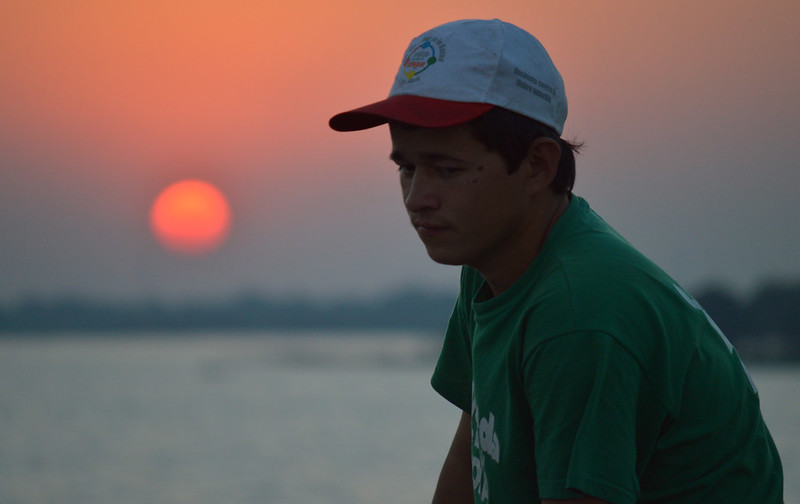 Paraguay is a South American country that, despite experiencing significant growth in the last decade, continues to struggle with wealth inequality and poverty. While the national poverty rate halved between 2003 and 2022, recent stagnation in economic growth and opportunity, worsened by a slow post-pandemic recovery, inflation and climate-related shocks, reveals the structural inequalities that impede future progress. It also highlights the vulnerability of a considerable part of the population.
About 32.6% of Paraguay’s rural population lives in multidimensional poverty—a significantly higher rate than the national average. In these regions, communities often face challenges accessing water and proper sanitation. Youth in poverty-stricken areas often have limited access to secondary and formal education. Generally, lower education rates create limited opportunities and heighten an individual’s likelihood of experiencing poverty.
Only 61.3% of Paraguay’s population has completed primary education, and 34.4% have completed secondary. With limited education, much of Paraguay’s youth remain unemployed, with rates reaching 14.1% in 2024.
Many young people turn to agriculture and farming to get by. Yet this industry is vulnerable to climate-related shocks, such as increasingly frequent droughts. These effects are often more detrimental due to the lack of investment, infrastructure, and access rural communities have to technology and financial support. This creates an entrenched cycle of poverty that is difficult to escape.
Vocational Training for the Youth
Vocational training in Paraguay plays a crucial role in sustainably breaking cycles of poverty. It offers education, opportunity and job readiness to groups previously marginalized and excluded. Vocational training provides hands-on education focused on the development of practical skills that often fill gaps left by limited access to formal education.
This approach is especially valuable because it targets specific groups and inequalities. In regular education streams, Indigenous women have the lowest average length of schooling at 3.5 years. Vocational training for these groups is often the only tangible pathway toward economic independence, skill development and social inclusion.
Fundación Paraguaya
Fundación Paraguaya is a leading social enterprise and nonprofit organization that offers vocational training and sustainable poverty alleviation initiatives across Paraguay, focusing on marginalized rural communities and socio-economically disadvantaged youth. Founded in 1985 by Martin Burt, the organization’s multidimensional approach—combining education, finance and self-assessment tools—aims to “activate the entrepreneurial potential of families” to eliminate poverty and help them “live with dignity.”
The organization’s “Self-Sustaining Agricultural Schools” program offers classroom-style learning alongside hands-on agricultural enterprises. Students have access to secondary-level education while managing real-life businesses, such as poultry farms, bakeries and gardens, which cover school expenses. Upon graduation, students have practical skills in business management, agriculture and entrepreneurship, improving their employability.
Another facet of the organization’s vocational training is its “Entrepreneurial Education” program. This initiative encourages and empowers marginalized youth groups. For example, Fundación Paraguaya conducts a Youth Ambassadors exchange program in partnership with the U.S. Department of Education. This program grants full scholarships to young people to participate in training related to leadership, social enterprise and community development projects.
The Impact of Vocational Training
Fundación Paraguaya’s model demonstrates the value of vocational training in sustainably alleviating poverty and creating opportunities for youth. In 2024, the organization reported major progress in reducing extreme poverty, which fell from 10% to 3%, and income poverty, which dropped from 54% to 33%, among families involved in its programs. These initiatives have reached more than 200,000 youth members.
Looking Ahead
Vocational training empowers the next generation of Paraguayans by equipping them with sustainable methods to create livelihoods and opportunities. Unlike traditional aid approaches, this hands-on model positions young people as active agents of change rather than passive recipients of support. By fostering skills such as entrepreneurship, self-reliance and technical expertise, vocational training can help break poverty cycles and promote sustainable development through a skilled and resilient workforce.
– Mia Keen
Mia is based in London, UK and focuses on Business and Politics for The Borgen Project.
Photo: Flickr
