Morocco’s Gen Z Protests: Better Education and Health Services
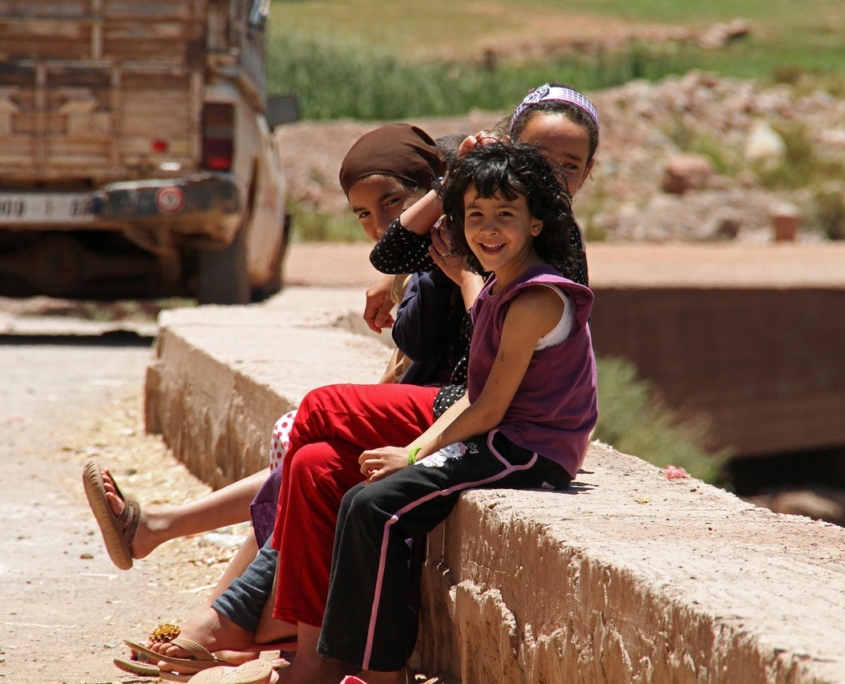 In September 2025, the Gen Z movement GenZ212 mobilized supporters in 11 Moroccan cities, including Casablanca, Rabat, Marrakesh and Agadir, to protest the neglect of health care and education services in the country. The recent deaths of eight pregnant women in Hassan II Hospital triggered younger generations to protest for urgent investment in national health care. The protesters also criticized the Moroccan government’s spending priorities on football infrastructure for the 2025 Africa Cup of Nations and the 2030 FIFA World Cup. The people of Morocco demanded that these funds be invested in education, employment opportunities and health care.
Progress and Persistent Gaps
In the last two decades, life expectancy has increased from 66.8 years in 2000 to 75.7 years in 2025,
and vaccination coverage reached 94.5% in 2023, leading to the elimination of polio and diphtheria.
The government has also invested in educational accessibility for vulnerable groups with frameworks like the 2000 Education Framework Law and national initiatives such as the National Human Development Initiative (INDH) in 2006. However, despite these improvements, many Moroccans still lack access to quality health care and education.
Morocco’s Gen Z Protests
The GenZ212 movement started the protests in September 2025 and used social media platforms to mobilize hundreds of supporters to join the cause. About 200 protesters were arrested as police used force to disperse crowds. Studies revealed that 43% of young Moroccans aged 18–29 spend three to five hours per day on social media. Hundreds of young Moroccans also supported the movement online. They used social media platforms such as Instagram and TikTok to raise awareness and counter misinformation.
The movement grew from 1,000 to 180,000 members using the platform Discord for coordination, discussion and decision-making. They were not affiliated with political parties or unions and demanded more public spending on health and education, less corruption and greater political accountability.
Young Moroccans also participated in protests across many cities, including Casablanca and Rabat. GenZ212 used digital organizing as the backbone for their protests. The movement integrated digital awareness and civic action to demand political and social changes in the country.
The Current Situation
In rural areas of Morocco, residents often lack access to health care services due to worker shortages and limited insurance. Twenty percent of the population lives more than 10 kilometers from a primary care facility. Rural areas also face challenges in providing education services, including a lack of teacher training and classroom overcrowding. As of 2022, 64% of Moroccan 10-year-olds cannot read or understand a simple text.
In response, the Moroccan government and NGOs launched reforms to expand access to education and health care. In 2021, the WHO launched the National Plan to Combat Childhood Cancer at St. Jude Children’s Research Hospital to improve treatment access and expand pediatric oncology and palliative care. From 2020 to 2022, the childhood cancer survival rate rose from 68.2% to 72.2%, and the goal is to reach 80% by 2030.
The World Bank financed a total of $750 million by 2023 for Morocco’s Education Support Program to support the government’s Strategic Education Roadmap (2022–2026). The reform agenda aims to expand early childhood education, invest in teacher training and reduce learning poverty.
Earlier this year, the government reviewed these reforms with the goal of restoring confidence in public schools and addressing previous shortcomings. The education budget rose to $8.5 billion, up from $6.8 billion in 2019, with the expansion of 230 Pioneer Middle Schools, benefiting more than 200,000 students.
Post–Gen Z Protests
The civic participation and digital activism of Morocco’s Gen Z protests prompted a response from both the king and the government. On Oct. 10, King Mohammed VI addressed Parliament and called for faster social and economic reforms.
Government spokesperson Mustapha Baitas also acknowledged the protests. As a result, on Oct. 20, the government announced major social reforms in direct response to the demonstrations. The 2026 draft finance bill strengthens public education, creates 27,000 new jobs in education and health care, and allocates $13 million to these sectors. The youth political participation bill will cover up to 75% of campaign expenses and invite citizens under 35 to join politics. The party reform proposal will enhance political party transparency and encourage women and youth to join or establish political parties.
One sign of this new transparency was the public livestreaming of a parliamentary committee meeting on health care reform on Oct. 1. This event marked a shift toward transparency and public participation in policymaking.
Looking Forward
Morocco’s Gen Z protests marked a turning point in the country’s social and political landscape. Indeed, what began as a reaction to failures in health and education evolved into a nationwide demand for accountability, equality and transparency. The movement demonstrated the power of digital mobilization and the determination of Morocco’s youth to shape the future of their country. Morocco’s Gen Z has shown that civic engagement and collective action can drive reform for social justice and improved public services, offering hope that youth-led movements will help build a more equitable future for the country.
– Angela D’Avino
Angela is based in Preston, UK and focuses on Good News and Global Health for The Borgen Project.
Photo: Pixabay
