Liter of Light
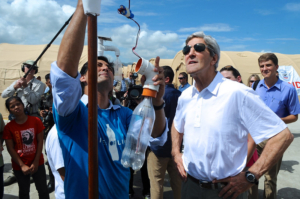 Liter of Light is an affordable initiative that offers sustainable lighting solutions to areas where power is scarce. The project was founded by Illac Diaz in 2011 through the MyShelter Foundation in the Philippines. It is a do-it-yourself (DIY) project that was invented by Alfredo Moser in 2002 to provide indoor lighting using sunlight.
Why This Project Was Needed
In the Philippines, almost 20 million people live below the poverty line and work low-paying jobs without basic amenities like adequate housing. Many homes are small and lack windows, which limits natural light. The cost of electricity is also high, at $0.181 per KWH, making it difficult for those below the poverty line to afford it. Additionally, natural disasters such as typhoons, landslides, cyclones and floods are common, which can leave people without power for months. Given these challenges, people are seeking affordable solutions to help them manage power outages.
How It Works
Liter of Light is a DIY project that involves using recycled plastic water bottles filled with a mixture of distilled water and bleach. It’s a climate-friendly project that doesn’t emit any carbon emissions, making it a completely green option. The bottles are installed on steel roofs and can reflect up to 55 watts of brightness with direct sunlight. To maximize the project’s benefits at night, it can be upgraded with solar panels, which can store approximately 10 hours of energy and power LED lights.
The organization encourages the women cooperatives to create this project from scratch, to generate job opportunities by selling the final product in local markets at reasonable prices. The purchasing kits include all the necessary installation details and instructions and these are also available on social media platforms such as YouTube.
Impact on the World
This initiative is active in 15 countries, including Columbia, Pakistan, India, Nepal, Bangladesh and Italy, among others. In the Philippines alone, the project has brought light to 145,200 households, benefiting a total of 353,600 globally. Thanks to this innovation, people no longer need to use hazardous kerosene lamps that pose a risk of fire and respiratory problems. Additionally, these cost-effective lamps help households save money on their electricity bills. The project has also installed streetlights that are affordable and visually appealing within communities. The government encourages women and individuals with disabilities to participate in training programs, empowering them to produce products for public use and earn a living.
In 2014, following the devastating typhoon Haiyan, two companies, Roche and Pepsi, generously provided a grant of $57,000 to fund training and equipment for this project. Roche continued to donate funding for equipment in subsequent years, which enabled the Liter of Light to generate sales of $15,230 by selling kits to other organizations.
In December 2018, the organization collaborated with Peace Boat to embark on a world journey from Japan to various parts of Asia, South America and Africa. This initiative, named Voyage of Light, aimed to spread awareness of effective projects to indigenous island communities in Madagascar, Samoa, Brazil, Tahiti and beyond. To achieve this, they organized educational training programs, community visits and practical training camps to help people understand the project’s significance. This journey concluded in March 2019. With all these initiatives, this project is spreading the light in millions of people’s lives.
– Gurjot Kaur
Photo: Flickr
