Why Laws Are Not Enough to End Poverty in South Africa
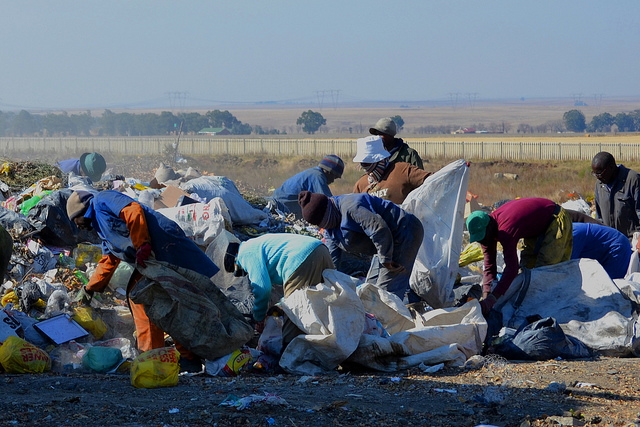 Social justice does not work like a movie. Even if a climactic event results in the removal of unjust systems, the after-effects of injustice persist decades after the fact. Though apartheid was eliminated decades ago, South Africa still sees stark divisions between the living conditions of blacks and whites. These divisions continue due to economic barriers and reveal that laws are not enough to end poverty or prejudice.
The removal of apartheid laws brought several economic opportunities to poor, black South Africans. Unfortunately, this victory did not change ownership of land and capital from its predominantly elite white holders. Without a solid foundation for business creation, few black men and women could find substantial gain pre- or post-apartheid. Even in 2016, ten percent of South Africans own 90 percent of the nation’s wealth, and that ten percent is mostly white.
In an attempt to house black South Africans, the African National Congress built townships around major cities. Though these townships settled close to major centers of business, they were not business centers themselves. With no money flowing into these government-owned lands, the townships became ghettos with dangerous buildings and poor education. South Africa’s unemployment rate neared 28 percent in 2017 and more than half of the black population is officially unemployed.
In a 1997 Regional Review article, Ed Glaeser of the Federal Reserve Bank of Boston examined the creation of ghettos and found features of segregated areas that apply all over the world. Concentrating resources in cities brings great wealth only to those working there. When certain areas of a city are deprived of incoming wealth due to artificial barriers, like in a township, racial tensions increase. An expanding economy in the 2000s doubled the size of South Africa’s black middle class, but the financial crisis of 2008 destroyed that decade’s gains.
Though Glaeser based his studies on American ghettos, his findings easily apply themselves to South African townships. “The ghetto walls themselves, not any increase in racism they may engender, thus seem primarily responsible for the poor black outcomes associated with increased segregation,” he stated. Both black and white South Africans consider themselves victims of racism. 44 percent of whites and 73 percent of blacks believe that the two races will never trust each other.
So what has helped South Africans escape destitution? Though laws are not enough to end poverty, they can create situations that allow people to overcome their struggles. In 2014, South Africa cut the rate of extreme poverty in half. In a press release from 2014, the World Bank credits this victory to redistributed income through tax benefits. Through a progressive tax system and an investment in infrastructure, South Africa achieved higher poverty reductions than Brazil, Mexico, or Argentina that year.
The fight is not yet over. The World Bank concludes its press release with the notion that “reducing poverty and inequality further in a way that is consistent with fiscal sustainability will require a combination of better quality and more efficient public services but most importantly greater employment opportunities.”
The New York Times compared South Africa post-apartheid to Europe post-WWII. Both regions had to rise from adversity by re-engineering their economy and challenging the legacy of colonialism. Just as the Marshall Plan restored Europe to prominence, so might foreign aid bring South Africa to the glory it seeks. Although laws are not enough to end poverty, persistent intervention from other countries could help.
– Nick Edinger
Photo: Flickr
