Kosovo’s Diaspora Fueling Economic Growth & Poverty Reduction
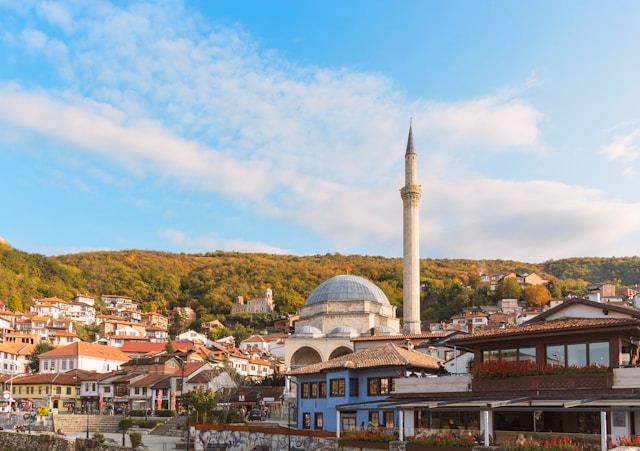 A small state in the Balkans, Kosovo has a complex history and is a relatively new political entity. The nation was part of Yugoslavia as an autonomous province for decades. However, with the collapse of Yugoslavia in 1991, ethnic groups across the region declared independence, such as Slovenia and Croatia.
Comprising a majority of ethnic Albanians, Kosovo declared its own independence on February 17, 2008. Today, Kosovo has defied economic expectations in many areas, largely due to its diaspora population across Europe and the world. About 800,000 Kosovars living abroad contribute a significant share of the country’s GDP through remittances.
Despite these economic successes, poverty remains a persistent problem. With poor educational performance, informal businesses, low salaries and high unemployment, Kosovo still has several institutional problems. While the rate of poverty has been declining over the past years, as of 2022, it still hovered around 25% or about one in four individuals. Along with several other factors, Kosovo’s far-reaching diaspora could help reduce these numbers.
Kosovo’s Diaspora Bonds
Over the past half-decade, Kosovo’s Ministry of Finance has issued bonds open to all nationals, particularly those living abroad. In 2021, for example, the government issued €20 million (about $23.6 million), with a guaranteed 100% return on investment and tax exemption. What this means, basically, is that the Central Bank of Kosovo offered to borrow about $23.6 million from Kosovar investors to fund infrastructure and government expenses.
On the flip side, the Central Bank promises to repay its investors double the amount they invested. Nonetheless, by borrowing millions from its diaspora, Kosovo is better able to support important areas of the economy and education, thereby alleviating poverty and job insecurity.
How Local Governments Are Attracting Investment
After years of decentralization in Kosovo, attracting local investment to municipalities has become more difficult. Though these municipalities rely heavily on government grants, many are adapting their structures to support expatriate investors. The cities of Suhareka and Suva Reka, for example, have established a Directorate for Diaspora, which is dedicated to aiding Kosovo’s diaspora.
This administration organizes relevant investment events and facilitates business registration and tax easements, to name only a few of the many services provided.
Real Estate Investment
Real estate makes up the largest share of diaspora investment in the Balkan country, accounting for about 70% of total investments from abroad. Investment in housing and apartments has sparked debate over the true economic impact. Some believe that investment in tourism and industrial development offers greater growth opportunities.
On the other hand, real estate investment increases employment opportunities, which in turn partially fuels the economy. With more jobs, more money circulates, benefiting everyone. Additionally, an IE University study found that a “rise of small investors increases the price-to-income ratio,” often leading to higher real estate prices. These higher prices, therefore, often indicate higher GDP per capita in the region.
In summary, it is unclear how much the Kosovan economy will benefit from these large real estate investments by Kosovo’s diaspora. Whatever the case, expatriate investors are pouring millions of dollars into the nation, ultimately growing the economy, even if by small increments.
How Is Poverty Affected?
The Kosovo diaspora offers potential economic benefits, including through government bonds, local municipal initiatives and independent real estate investment. This potential growth, however, could prompt shifts in the country’s poverty levels. Individuals are pushed above the poverty threshold as the economy grows and new jobs are created.
While the influence of Kosovar foreign nationals is several steps removed from directly impacting poverty, their investment efforts spark a small chain reaction that eventually has the capacity to combat poverty.
– Ben Anderson
Ben is based in Madrid, Spain and focuses on Business and Politics for The Borgen Project.
Photo: Unsplash
