The Work of Israeli Eye Camps
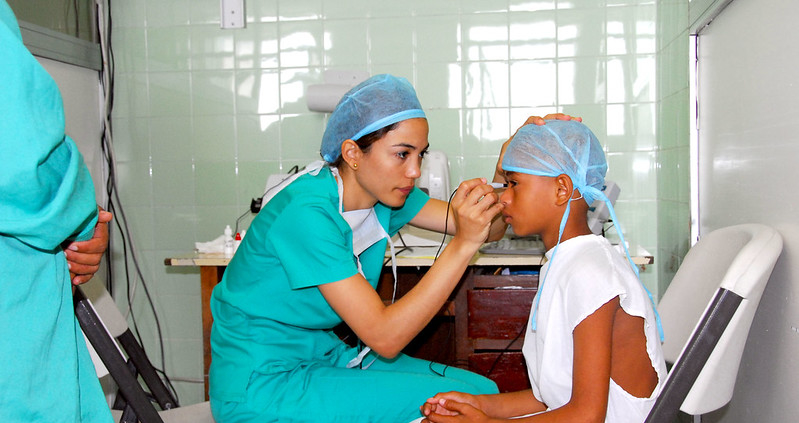
MASHAV, the Hebrew acronym for Israel’s international development operation, pioneered the Israeli eye camps that are now undergoing implementation in many developing countries, providing sight to those who are unable to afford proper eye care. MASHAV has worked in regions such as North Africa and in countries such as China, Mexico and the Dominican Republic. People living in these regions often do not have access to proper medical care, so MASHAV has made it a goal to continue to provide aid to impoverished and disaster-affected areas worldwide.
The History of MASHAV
In 1958, Israel’s Agency for International Development Cooperation, or MASHAV, began. It helps developing countries lessen poverty, disease and hunger. MASHAV’s areas of expertise include crop production, animal care, nutrition and environmental sustainability, including addressing environmental challenges and bioenergy. MASHAV also specializes in fields such as water management, community development, irrigation, early childhood education, desert agriculture and many more.
One major way MASHAV has provided support is through sharing technology and providing technical training to local professionals. This is important as MASHAV seeks to work in a way that the progress the agency makes can continue once the agency’s members leave a country. Impoverished communities then obtain various skills and tools to lift themselves out of poverty. Seminars, workshops, training, conferences and exchange visits are a few of the most common ways MASHAV carries out its training goals.
Israeli Eye Camps in Africa
In Africa, many individuals living in poverty suffer from problems with their sight. Problems can include blindness due to malnutrition, trauma, cataracts or improper treatment of infections. Many are in need of surgery for cataracts and ocular plastic surgery services. However, inadequate healthcare facilities and severe shortages of supplies, trained personnel and equipment are prevalent in many African communities.
Beginning in 1960, Israeli medical experts and Israeli ophthalmologists set up clinics in impoverished communities in Africa to perform a variety of important activities. These clinics stayed in each area for two weeks. During that time, the medical professionals in the Israeli eye camps treated hundreds of people, restoring sight to many.
However, in addition to the effective reach of eye treatment, the camps provided medical training in eye care so that these areas could keep the camps operational after the Israeli professionals have left. In various developing nations, Israeli doctors found themselves training local professionals to carry on the mission through education on how to use a laser, to perform eye checkups and to perform other ocular procedures. This implementation of professionals into the community is a major long-term benefit of the eye camps.
Looking Forward
Many impoverished people in a variety of African countries suffer from treatable eyesight conditions. To aid these people, Israeli eye camps have allowed teams of doctors to treat individuals and train locals to maintain this kind of aid themselves. Providing a community with the knowledge and tools to continue projects begun by humanitarian aid organizations promotes social equity and sustainable growth.
– Madeline Drayna
Photo: Flickr
