Is Kazakhstan Poor?
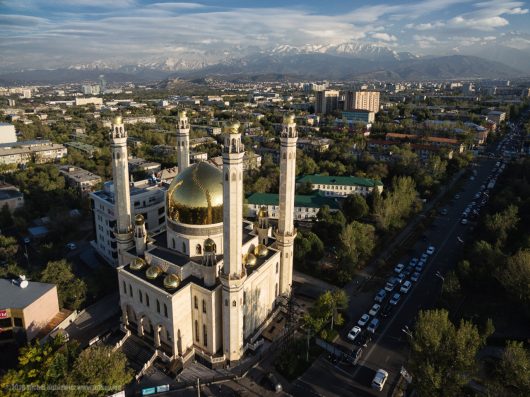 Kazakhstan is a Eurasian country, bordering China and Russia, whose size is comparable to that of western Europe. Kazakhstan has a population of 16.4 million. According to the Asian Development Bank, only 2.7 percent of the population in Kazakhstan lives below the poverty line. Kazakhstan has the lowest percentage of people living below the national poverty line in central and west Asia. These statistics suggest that Kazakhstan is not a poor country at all, which raises the question, is Kazakhstan poor?
Historical Context
Kazakhstan declared independence from the Soviet Union in 1991 and became an upper-middle-income country in less than two decades. Kazakhstan’s GDP has risen dramatically since the country became independent. In 1990, the year before Kazakhstan declared independence from the Soviet Union, the GDP was $27 billion. By 2013, the GDP was $237 billion. In 2016, however, the GDP had decreased to $134 billion. The rapid economic growth can be attributed to large investments in the oil sector.
Economy
Kazakhstan’s economy has declined due to the decrease of global commodity prices and the economic downturn of Russia. Additionally, Kazakhstan’s exports to the Eurasian Economic Union (EAEU) countries decreased by 23.5 percent in 2016. Imports to Kazakhstan from EAEU countries declined by 13.7 percent.
The majority of Kazakhstan’s economy is based on industry and services. Agriculture in Kazakhstan accounts for less than 5 percent of the country’s GDP. Kazakhstan’s economy, however, is not at all diverse and is largely dependent on oil. This dependency foreshadows an even steeper economic decline, especially considering imminent environmental concerns.
Infrastructure
Kazakhstan also confronts poor transportation infrastructure, especially for a country whose volume of road and railroad shipping is particularly high. Two-thirds of the 23,000 kilometers of highway are in poor condition.
Kazakhstan’s telecommunication infrastructure is also very poor. Though Kazakhstan has the best telephone system in central Asia, it ranks low in terms of world standards. For example, in 2004, the Kazakhstan telephone system provided only 15 telephone lines per 100 inhabitants.
Poverty Disparity
Kazakhstan has made huge strides in reducing poverty. From 2000 to 2006, the poverty rate declined from 34.5 percent to 19 percent. Rural poverty, however, is still high. For example, from 2005 to 2010, poverty in urban areas declined from 13.6 percent to less than 4 percent, while poverty in rural areas declined from 24.4 percent to 10 percent.
Is Kazakhstan Poor?
In truth, Kazakhstan is not a traditionally “poor” country. In 2011, Kazakhstan was ranked as a high human development country in the Human Development Report. Additionally, Kazakhstan has already achieved many of its Millennium Development Goals.
Kazakhstan is, however, an example of a country that quickly lifted itself out of poverty and can quickly fall back into poverty. Kazakhstan is an anomaly among the former Soviet Union countries, as Kazakhstan’s GDP increased and its poverty rate decreased almost immediately after declaring independence. Kazakhstan has relied heavily on oil to improve its economy. Poverty is largely related to employment opportunities, which have been plentiful in the oil business. Considering environmental concerns regarding oil, it would be in Kazakhstan’s best interest to diversify its economy in order to continue improving the quality of life of its citizens.
– Christiana Lano
Photo: Flickr
