Internet Access in Sub-Saharan Africa Promotes Health and Literacy
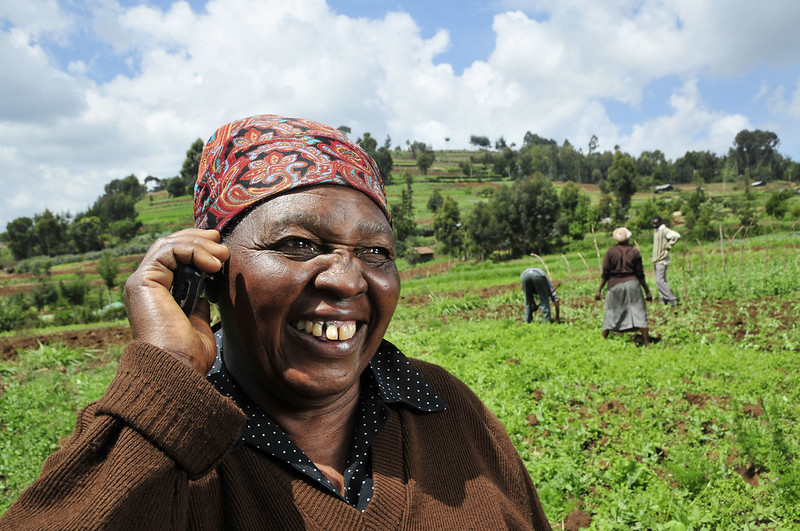
In sub-Saharan Africa, more people own a mobile phone than have access to electricity. About 41% of sub-Saharan Africans use the internet and 33% own a smartphone. Importantly, these numbers are on the rise. The region’s internet access has greatly expanded in recent years, especially in rural areas. This, in turn, allows for more people to use digital services such as online education and telemedicine. Widespread access to these key services benefits rural communities across sub-Saharan Africa by promoting socioeconomic development. All of these benefits, made possible through internet access in sub-Saharan Africa.
Expanding Access to Telemedicine
Rural communities in sub-Saharan Africa typically have fewer health resources and doctors readily available. Moreover, people may need to travel long distances to reach the nearest hospitals. The region holds 13% of the world’s population, but only 2% of the world’s doctors. With mobile devices and reliable internet access, people can access basic healthcare regardless of their geographical location. According to a 2017 Pew Research Center survey, 41% of respondents in sub-Saharan Africa “use the internet to access information about health and medicine.”
By facilitating telemedicine systems, internet connectivity can improve the quality of care in community health centers and reduce patients’ transport times and medical costs. For example, the Novartis Foundation, a nonprofit organization focused on projects that improve health, launched a telemedicine system in Ghana in 2011. This system allows frontline health workers to connect with medical specialists across the country. Available 24/7, doctors and specialists at teleconsultation centers provide advice for treatments and help manage emergency cases.
Increasing Literacy Through Online Education
According to the Pew Research Center, the large majority of surveyed sub-Saharan Africans believe that “the increasing use of the internet has had a good influence on education in their country.” As internet access has increased dramatically in recent years, digital learning has become a more promising opportunity to improve literacy rates in the region. Also, because more people own smartphones, online learning resources are more widely available and ubiquitous.
Digital learning is a more cost-effective way to increase access to education, which will directly benefit impoverished communities. Educated people are more likely to be employed, earn a higher income, participate in politics and ensure that their children are also educated. Therefore, increased access to education can lift individuals and communities out of poverty — having a lasting, positive impact on the sub-Saharan region as a whole.
Looking Ahead
Numerous governments, telecommunications providers, nonprofit organizations and private companies have invested in sub-Saharan Africa’s internet connectivity in the last decade. Telecom providers have expanded internet connectivity by selling and distributing solar off-grid kits to individuals. This, in turn, also helps to promote renewable energy in the region. In May 2020, Facebook, along with African and global telecom partners, announced plans to build 37,000 kilometers of subsea cable infrastructure. This project, called 2Africa, will create a direct high-speed internet connection between 16 African countries, Europe and the Middle East.
Overall, as internet access expands across sub-Saharan Africa, more people will be able to access digital services with extensive socioeconomic benefits. Telemedicine and online education are accessible only to those with a reliable internet connection. However, these benefits can have a massive impact on health, literacy and poverty rates in sub-Saharan Africa — especially in rural communities.
– Rachel Powell
Photo: Flickr
