How COVID-19 is Increasing International Philanthropy
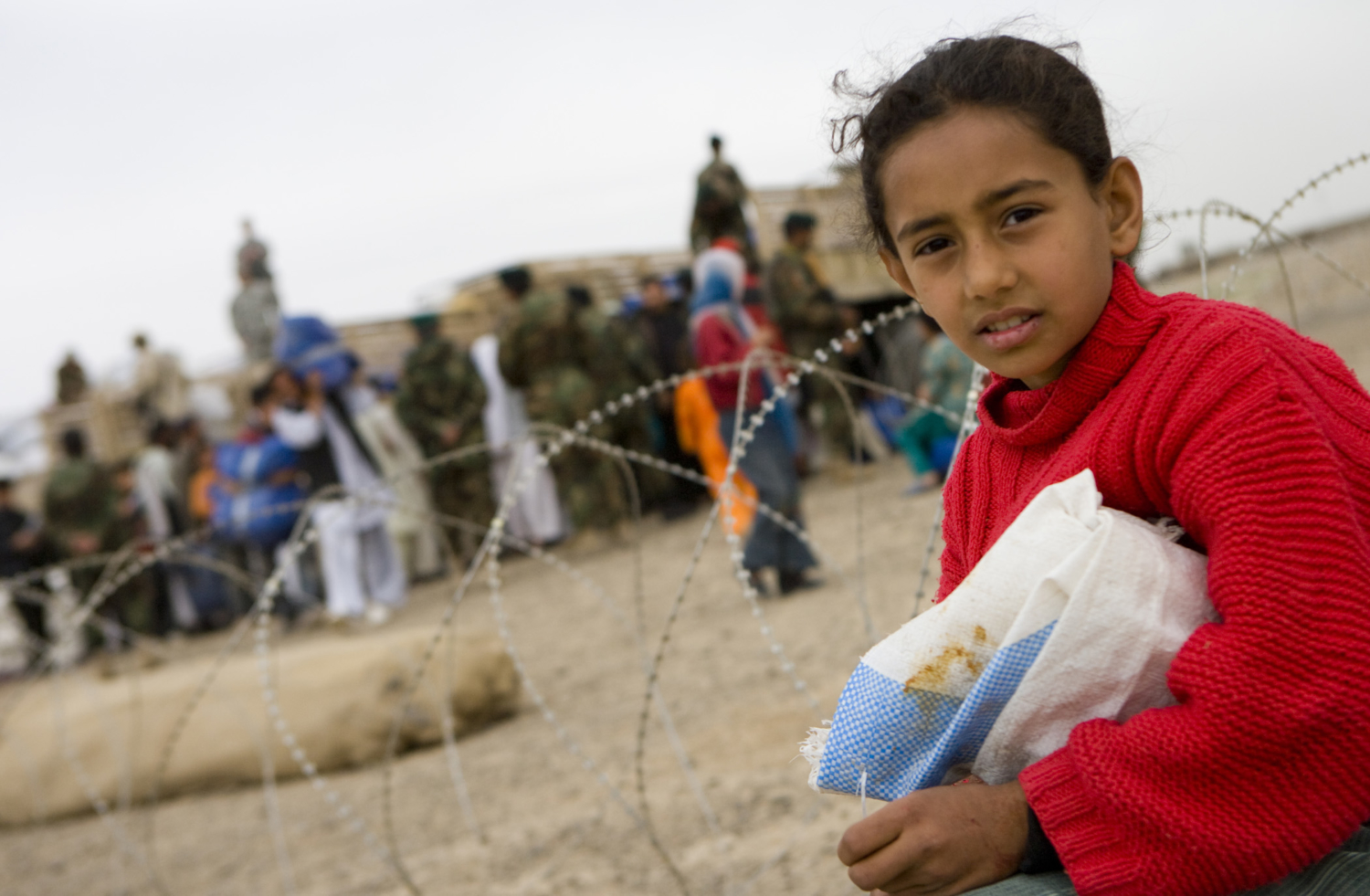 As COVID-19 inspires increasing international philanthropy, trends in American and global giving create an opportunity for growth in the philanthropy sector. The Kaiser Family Foundation reported that as of April 21, donor governments and multilateral organizations around the globe were responding to the coronavirus with $16.5 billion in completed international donations and aid, the biggest donors being governments, the World Bank and the Asian Development Fund.
The U.S. Philanthropic Efforts
The U.S. government had provided $2.39 billion in international aid as of April. As of August 12, Candid reported, an additional $13 billion in institutional and individual philanthropic donations had been given globally, with the biggest donations coming from Google, CEO of Twitter Jack Dorsey and TikTok parent company ByteDance. The majority of funding, both philanthropic and from governments and multilateral organizations, have gone to disaster relief. COVID-19 is increasing international philanthropy efforts around the globe, and that trend has proven true of U.S.-based institutional and individual giving.
“To put this unprecedented commitment of institutional and individual philanthropy in perspective, the U.S. total alone of more than $6 billion is, according to Candid’s figures, more than double the entire campaigns for 9/11, the 2008 financial crisis, Hurricane Harvey, the Ebola outbreak, the Haitian earthquake, and the recent Australian bushfires,” Andrew Grabois wrote in a blog for Candid.
COVID-19’s Impact on Donor Giving
A recent Fidelity Charitable study found that 79% of donors plan to either maintain or increase their existing levels of giving. 31% of donors will be giving money to international organizations as part of their COVID-19 philanthropy, following a significant decrease in donations to international charities in 2017. International affairs nonprofits, on the other hand, have consistently been steadily increasing. 69% of donors said they are “very” or “somewhat concerned” about how international aid organizations will suffer during the pandemic. 30% of donors say they are donating “to address the economic impacts” of COVID-19.
Betsy Morris of The Wall Street Journal reported that as coronavirus related philanthropy skyrockets, nonprofits unrelated to coronavirus relief have seen significant declines in donations and volunteer activity; 80% of nonprofits surveyed in June said that revenue had fallen since the pandemic started, and 70% had been forced to reduced their activity level. Donations to U.S. charities saw an 11% decline in March, and the outlook remains bleak as the pandemic continues; 72% of donors do not “expect their giving to return to prior levels.”
Shifting Philanthropic Sector
But the pandemic has also caused significant shifts in the philanthropy sector that could help pave the way to recovery; consulting company Mckinsey & Company explained that large-scale donations are also happening “at record speed, with fewer conditions, and in greater collaboration with others,” all of which can and should be long-term shifts in the philanthropy sector.
Donor institutions are addressing three main areas to address short- and long-term philanthropy challenges by adjusting grant practices to be easier and more accessible for grantees, increasing the “pace and volume” of philanthropic giving, scaling impact with partnerships and collaboration between individual and institutional donors, investment in grassroots and local leadership and providing support to the public sector. All these shifts will allow for this increasing international philanthropy and a more effective sector long after the pandemic has waned.
– Emily Rahhal
Photo: Flickr
