Hurricane Maria Recovery Efforts in Puerto Rico: Then and Now
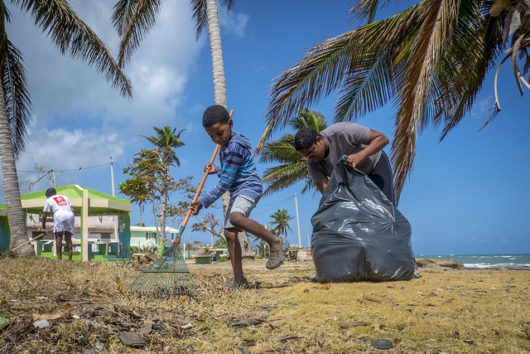
On September 20, 2017, tragedy struck the island territory of Puerto Rico with the landfall of Hurricane Maria. The people living there were faced with many consequences from the category 4 storm, including the temporary closure of schools and a cost of damage reaching $94 billion.
In the midst of an economic recession, this disaster left many poverty-stricken families without the means to survive. As the storm passes its one-year anniversary, Hurricane Maria recovery efforts in Puerto Rico are still in full force, and progress is being made each day.
The Initial Response
With sustained winds at 155 miles per hour along with catastrophic flooding, several trees, cell towers and homes were uprooted during the hurricane, causing a loss of electricity and lack of clean water or food. The initial response by The Federal Emergency Management Agency (FEMA) was criticized. They faced a particularly difficult set of problems with hurricanes Harvey, Irma and Maria, as well as wildfires in California. The organizational fatigue resulted in specific flaws in the preparation for hurricane season in Puerto Rico and the failure of having adequate supplies in the area.
FEMA emptied 80 percent of its Puerto Rico-based Caribbean Distribution Center in response to Hurricane Irma, landing just weeks before Maria. However, despite the lack of resources available, FEMA, along with local first responders, the government of Puerto Rico, The Department of Defense, The U.S. Coast Guard and many others began recovery efforts in Puerto Rico, providing food, water, first aid and other life-saving supplies. Furthermore, FEMA activated its “surge capacity force” with more than 640 federal employees temporarily leaving their jobs to support the efforts.
Recovery Through the Months
A month after Hurricane Maria hit, 80 percent of the island was without power and 30 percent was without drinking water. However, FEMA’s response efforts continued, becoming the largest and longest commodity delivery mission in the agency’s history. The agency provided 17 million gallons of potable water and 72 million liters of bottled water the months following.
More than 60 nongovernmental organizations and government partners were on the ground assisting less than a month after the tragedy. The Red Cross developed a recovery plan to assist with the most urgent requests, focusing on four key aspects- access to power, access to clean water, livelihood restoration and community health. With many families losing their homes and livelihoods because of income-generating crops being destroyed by the storm, The Red Cross aimed to help citizens restore their jobs and become more self-sufficient through microgrants to small businesses and training in agriculture and home reconstruction.
Hurricane Maria Recovery Efforts in Puerto Rico Today
On August 28, 2018, the catastrophic death toll was 2,975. This count makes Hurricane Maria one of the deadliest hurricanes in U.S. history and increases the pain each citizen continues to feel as a result. Though the community endures the heartbreak of Hurricane Maria every day, the progress since the tragedy has shown tremendous hope.
The island’s power authority says more than 95 percent of the population has restored electricity. All 68 hospitals are open, and efforts are being made to provide temporary facilities for the remaining damaged health clinics. More than 1,843 generators have been installed, and about 4,200 power line workers are working to repair transmission and distribution lines for the areas that have had an inconsistent power supply.
As the territory recuperates and works towards attracting tourism again, the citizens have expressed much resilience and hope. Though this may sound like a tragedy come and gone, the Hurricane Maria recovery efforts in Puerto Rico will reflect through each citizen every day.
– Beth Dowdy
Photo: Flickr
