Poverty: A Leading Cause of the Global Orphan Crisis
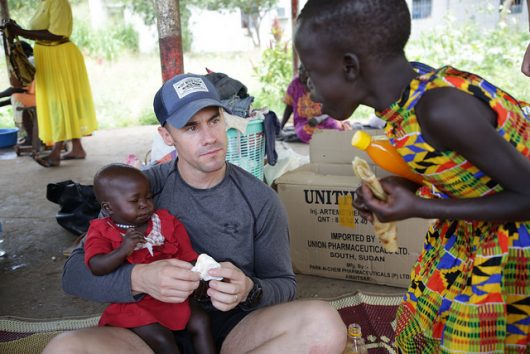
In 2015, there were 140 million orphans worldwide: 61 million in Asia, 52 million in Africa, 10 million in Latin America and the Caribbean, and 7.3 million in Central Asia and Eastern Europe. This constitutes a global orphan crisis and poverty is the leading cause.
The UN defines orphans as children who have lost either one or both parents. The vast majority of orphans still have a living parent and while many orphans live in orphanages, some still live with another family member. The UNICEF and numerous international organizations began classifying children with only one parent as orphans in the 1990s when the HIV/AIDS pandemic spread and began killing millions of parents around the world.
How Poverty Creates Orphans
HIV/AIDS is much more prevalent in impoverished countries than in developed countries. Single parents living with HIV/AIDS in developing countries may not have access to proper healthcare and subsequently may struggle to care for themselves and their children. Losing a parent can negatively impact a child’s access to food, shelter, education and healthcare. Losing the income of a parent, particularly that of the primary breadwinner, can be disastrous for a family and leave the living parent without enough money to care for his or her children.
Many parents living in poverty are unable to care for their children as they cannot afford food, clothing, shelter, healthcare and education. They are not able to adequately provide for their children, which leaves some to resort to placing their children in orphanages in the hopes that they will have better lives.
However, children in orphanages do not typically fare better than children raised in loving homes. Institutionalization can have many adverse impacts on a child. Orphanages often do not have enough caregivers to provide children with the amount of attention and love that children in healthy families receive.
Children are more likely to experience neglect or abuse when they grow up in institutions. They may experience malnutrition and stunted growth. They are also more likely to experience delayed development and behavioral problems. This stems from the trauma of their parents dying, leaving their birth families and from the lack of permanence in their lives.
How to Solve the Global Orphan Crisis
UNICEF and numerous organizations including Save the Children, World Without Orphans and Orphan Outreach argue that orphanages are not the best solution for children. They instead encourage governments to support families and communities that care for orphans and allocate less funding to orphanages.
The costs of running orphanages are typically much higher than what is needed to support families struggling to provide for their children. Not only is it less expensive, it is also more beneficial for the children to be raised in their family or community rather than in an institution. For children who have no parents, UNICEF and organizations that focus on the global orphan crisis promote foster care and adoption.
Countries all over the world have been following this advice, establishing family-style care centers and foster-care services and reuniting children with family when possible. Since 1989, the number of children in Romanian orphanages has dropped from 100,000 to about 7,000. Bulgaria’s orphan population decreased from 7,500 in 2011 to 1,200 today. Out of 460,000 orphans in China, only 88,000 now live in orphanages. Since 2012, all but 235 of Rwanda’s 3,323 children in orphanages have been reunited with their families, adopted or placed in foster families.
These numbers show great progress. However, the global orphan crisis is still a serious problem. Millions of children are still living in orphanages. To give these children a better chance to thrive, governments and private organizations around the world must support family-care. In addition, governments can provide medical care to areas with high HIV/AIDS prevalence rates, helping parents living with the disease to care better for their children.
Programs that pull families and communities out of poverty will help reduce the number of parents who send children to orphanages. Poverty alleviation efforts have a crucial role to play in relieving the global orphan crisis.
– Laura Turner
Photo: Flickr
