Hunger in Djibouti: Working Towards Self-Sufficiency
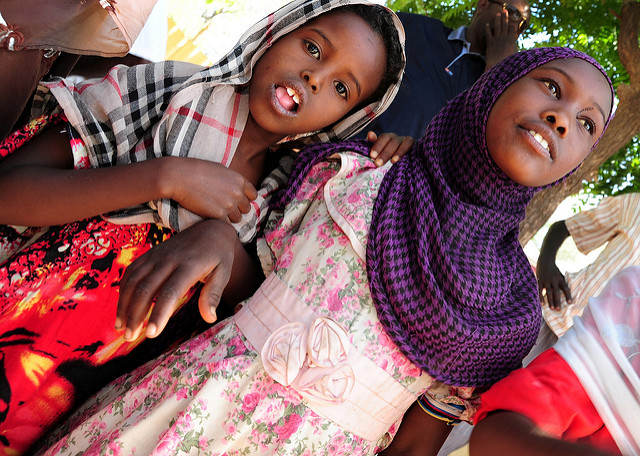 Djibouti is a small country on the northeast coast of Africa, bordering the Red Sea, and has been grappling with a severe food and water crisis for several decades. Once a French colony, it now has a population of nearly 1.17 million and ranks 171st out of 193 on the Human Development Index and 93rd out of 125 on the Global Hunger Index. Despite recently achieving the status of a low-middle-income country, and hunger remains a critical issue for many in Djibouti
Background
Hunger in Djibouti can be chalked up to a few different causes.
- Drought and Flooding: The country has a hot, desert-like climate, making cultivating crops difficult. The recent drought has made this situation even worse. Most of the population relies on livestock as their main source of income, but this only contributes 3% to the GDP. The livestock has also been heavily affected by the drought and rising temperatures. The recent rainfalls and flooding have not only displaced many Djiboutians but have also led to the deaths of livestock, worsening the hunger issue.
- Dependence on Food Imports: Djibouti imports approximately 90% of its food and products. Because it relies on nutritional imports, it is often at the mercy of market prices that its weak economy cannot always support. Even slight variations in food prices can have hugely detrimental consequences for families.
- Global Economic Shocks: Global economic shocks have led to a significant increase in food prices, making it difficult for many people to afford food. Statistics indicate that the number of food-insecure households increased by 48% in 2023 compared to the previous year.
- Conflicts in Neighbouring Countries: The conflict in neighboring countries like Ethiopia and Somalia has resulted in a large influx of refugees in the country (34,000), causing an increased load on the economy of the country and creating further food insecurity.
Good News
Fortunately, international programs are working toward a lasting solution to hunger in Djibouti. The World Food Programme has been working since the late 1970s to prioritize government support in stabilizing hunger. Projects the World Food Programme has made headway on include providing nutrition to women and children, for refugees, and in schools. In addition, U.N. agencies are working in collaboration with the government to help with severe food insecurity and hunger emergencies and develop long-term solutions to avoid such crises in the future.
These agencies may not be eliminating hunger in Djibouti entirely. Still, they are working toward providing the people of Djibouti with lasting development plans that have the potential to become self-sustaining solutions.
– Casey Hess
Photo: Flickr
Updated: September 19, 2024
