• Link to X
  • Link to Facebook
  • Link to Instagram
  • Link to TikTok
  • Link to Youtube
  • About
    • About Us
      • President
      • Board of Directors
      • Board of Advisors
      • Financials
      • Our Methodology
      • Success Tracker
      • Contact
  • Act Now
    • 30 Ways to Help
      • Email Congress
      • Call Congress
      • Volunteer
      • Courses & Certificates
      • Be a Donor
    • Internships
      • In-Office Internships
      • Remote Internships
    • Legislation
      • Politics 101
  • The Blog
  • The Podcast
  • Magazine
  • Donate
  • Click to open the search input field Click to open the search input field Search
  • Menu Menu
Blog - Latest News
Global Poverty

Homophobic Violence in Haiti
haiti_opt
In Port-au-Prince, a British Red Cross employee and his Haitian partner were targeted in a series of homophobic attacks perpetrated by locals wielding petrol bombs and rocks. The attack, which unfolded at a celebration of the couple’s engagement, injured several people before the police arrived to dissolve the violence.

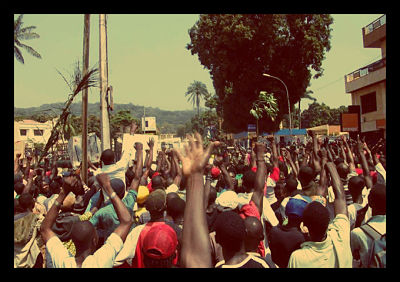
The attack unfolded at a pivotal time in the larger national conversation concerning gay marriage. Last month, over one thousand Haitians protested in the streets for legalized marriages, an unprecedented event in a country where homosexuality too often carries a deleterious social stigma.

On August 19th, the United Nations in Haiti addressed the rise in homophobic violence in the country, urging “…all Haitians to continue working together towards the construction of a state based on the respect for the rule of law; respect for others, tolerance, individual dignity and human rights.”

The UN statement also underscored that Article 19 of the Haitian Constitution grants the right “…to life, health, and respect of the human person for all citizens without distinction, in conformity with the Universal Declaration of the Human Rights”.

Tellingly, Haiti has entered the international human rights conversation revolving around LGBT issues, a tendentious discourse that has proven to be an ongoing struggle in both developed and developing nations alike.

– Anna Purcell

Sources: Daily Mail, UN, i95.5
Photo: i95.5fm

August 29, 2013
Share this entry
  • Share on Facebook
  • Share on X
  • Share on WhatsApp
  • Share on Pinterest
  • Share on LinkedIn
  • Share on Tumblr
  • Share on Vk
  • Share on Reddit
  • Share by Mail
https://borgenproject.org/wp-content/uploads/borgen-project-logo.svg 0 0 Borgen Project https://borgenproject.org/wp-content/uploads/borgen-project-logo.svg Borgen Project2013-08-29 13:07:552024-06-11 01:54:33Homophobic Violence in Haiti

Get Smarter

  • Global Poverty 101
  • Global Poverty… The Good News
  • Global Poverty & U.S. Jobs
  • Global Poverty and National Security
  • Innovative Solutions to Poverty
  • Global Poverty & Aid FAQ’s
Search Search

Take Action

  • Call Congress
  • Email Congress
  • Donate
  • 30 Ways to Help
  • Volunteer Ops
  • Internships
  • Courses & Certificates
  • The Podcast
Borgen Project

“The Borgen Project is an incredible nonprofit organization that is addressing poverty and hunger and working towards ending them.”

-The Huffington Post

Inside The Borgen Project

  • Contact
  • About
  • Financials
  • President
  • Board of Directors
  • Board of Advisors

International Links

  • UK Email Parliament
  • UK Donate
  • Canada Email Parliament

Get Smarter

  • Global Poverty 101
  • Global Poverty… The Good News
  • Global Poverty & U.S. Jobs
  • Global Poverty and National Security
  • Innovative Solutions to Poverty
  • Global Poverty & Aid FAQ’s

Ways to Help

  • Call Congress
  • Email Congress
  • Donate
  • 30 Ways to Help
  • Volunteer Ops
  • Internships
  • Courses & Certificates
  • The Podcast
Link to: Low-Income Indian Families Get a Boost from World Bank Link to: Low-Income Indian Families Get a Boost from World Bank Low-Income Indian Families Get a Boost from World Bank Link to: Preventing Cancer in the Developing World Link to: Preventing Cancer in the Developing World Preventing Cancer in the Developing World
Scroll to top Scroll to top Scroll to top