Higher Education in Namibia: Overcoming Development Hurdles
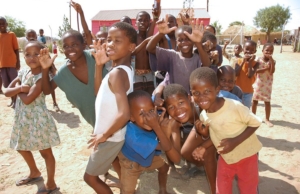 The Republic of Namibia is a Southern African nation, regarded by the World Bank as an “upper-middle-income country.” Yet according to UNICEF’s 2021 Poverty Index Report, more than 43.3% of the population lives in multidimensional poverty.
Problems Facing Namibia
Namibia has been rebuilding itself since gaining independence from South Africa in 1990. It has made progress in reducing poverty, yet strong challenges persist that continue to hinder development. Namibia has been rated one of the world’s most unequal countries, with its Gini coefficient coming in at 59.1 in 2015, second only to South Africa.
Its geographical disparities, in terms of access to services as well as wealth and economic opportunities, are significant. Much of the population, especially in rural regions, relies on the agricultural sector for their income. These incomes are unstable and unsustainable, given the nation’s susceptibility to droughts, extreme weather and food scarcity. This limits the earning potential of many Namibians.
The wealth inequality creates difficulties in accessing basic necessities, such as education. This creates a vicious cycle where opportunity is limited by a lack of skilled workers, creating high unemployment, hindering overall development and job creation. Therefore, education is crucial in breaking the nation’s poverty cycle and is identified as an optimistic solution to creating sustainable growth.
Looking Forward
Newly elected President Netumbo Nandi-Ndaitwah has begun her leadership by introducing a National Development Plan (NDP6). The plan outlines five key areas of focus, including modernizing industrial infrastructure and promoting new technologies, to improve employment opportunities amid an unemployment crisis among the nation’s younger, working-age population.
A major aspect of achieving the NDP6’s employment and opportunity objectives focuses on higher education in Namibia. In her State of the Nation speech to Parliament, Ndaitwah outlined that “tertiary education will become 100% subsidized by the government…commencing 2026.” Namibia already provides free public elementary and high school education; the new policy would remove tuition and registration fees at universities and colleges.
The NDP6 also aims to create 80,000 new manufacturing jobs by 2030. These jobs would create demand for skilled workers produced by higher-education initiatives, in sectors such as technology, energy, infrastructure and logistics. The increase in manufacturing employment would bolster opportunities and raise average wages in the industry from N$5,749 (approximately $327) to N$10,000 ($568).
The emphasis on manufacturing is projected to increase the sector’s share of the country’s GDP from 10.6% to 18%, while boosting its contribution to exports from 42% to 60%. This shifts the nation’s reliance away from the unpredictability of the agricultural sector. It creates a skilled workforce that can continue to generate opportunities, expand their companies and stimulate long-term economic growth.
The nation’s GDP growth would also enhance Namibia’s global competitiveness and trading relations. It points to an optimistic future for a nation that has shown steady improvements since independence, despite post-pandemic disruptions. Education offers a constructive path to change.
Organizations Aiding the Progress
The optimism is supported by the foundational work of nonprofit organizations that are improving access to higher education in Namibia. The University of Namibia Foundation (UNAM) has formed strategic partnerships with the University of Namibia, generating a N$15 million (about $855,000) seed fund to enhance educational research and innovation over the next three years.
UNAM also collaborated with Namibia Asset Management (NAM) to provide more than N$4.7 million ($273,600) in bursaries, with recipients advancing to professional roles across various developing sectors.
Conclusion
Higher education is emerging as Namibia’s key to breaking the cycle of poverty and inequality. With government-backed tuition subsidies, strategic investment in manufacturing and support from nonprofit organizations, the nation is building a skilled workforce. This workforce will be capable of driving sustainable economic growth and fostering long-term development.
– Mia Keen
Mia is based in London, UK and focuses on Business and Politics for The Borgen Project.
Photo: Flickr
